Exclusive art galleries in Palma’s Old Town: contemporary works on Mallorca
June 26, 2025
Palma’s Old Town is a captivating tapestry of history, culture, and architectural beauty that transports visitors back in time. The narrow, winding streets are lined with centuries-old buildings, each telling a story of the island’s rich past. The Gothic Cathedral of Santa Maria, known as La Seu, stands majestically at the heart of the city, its intricate façade and stunning stained glass windows drawing admirers from around the globe.
This iconic structure, completed in the early 20th century, is not just a religious site but a symbol of Palma’s enduring spirit and artistic heritage. The cathedral’s towering presence is complemented by the nearby Almudaina Palace, a former royal residence that showcases the blend of Islamic and Gothic architectural styles that characterize much of Palma’s historical landscape. As one strolls through the cobblestone streets, the charm of Palma’s Old Town becomes even more apparent.
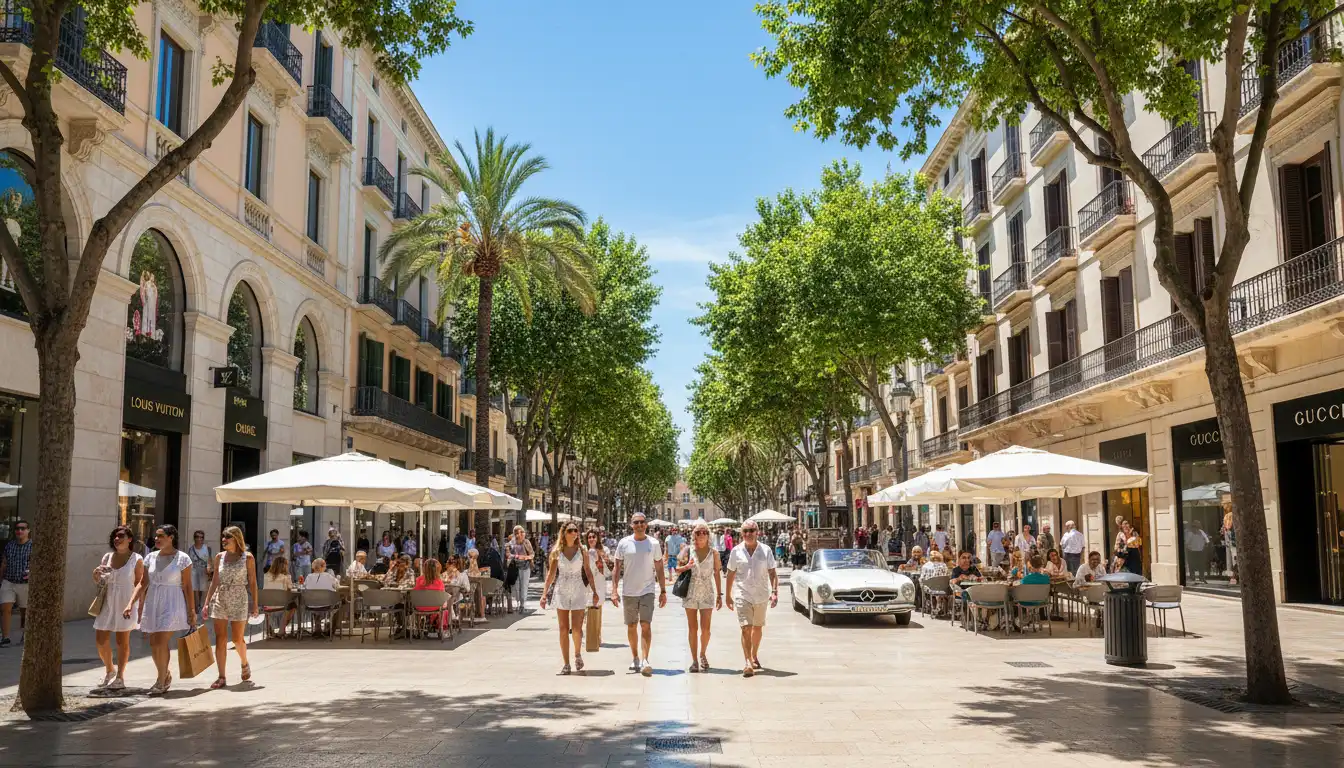
Quaint plazas, such as Plaza Mayor and Plaza de Cort, serve as vibrant social hubs where locals and tourists alike gather to enjoy the Mediterranean sun. The scent of fresh pastries wafts from traditional bakeries, while the sounds of street musicians fill the air, creating an atmosphere that is both lively and inviting. The Old Town is also home to numerous art galleries and artisan shops, where local craftsmen showcase their talents through handmade jewelry, ceramics, and textiles.
This blend of history and contemporary creativity makes Palma’s Old Town a unique destination that captures the essence of Mallorca’s cultural identity.
Key Takeaways
- Palma’s Old Town exudes historic charm and serves as a backdrop for the thriving contemporary art scene in Mallorca.
- Contemporary art is on the rise in Mallorca, attracting both local and international artists to showcase their work in the vibrant art scene of Palma.
- Palma’s exclusive art galleries offer a glimpse into the world of contemporary art, featuring a diverse collection of unique and innovative pieces.
- The art scene in Palma’s Old Town boasts a unique collection of contemporary art that reflects the influence of Mallorca’s stunning landscape.
- Tradition and innovation intersect in Palma’s art scene, creating a diverse range of artistic styles that can be explored in the Old Town.
The Rise of Contemporary Art in Mallorca
In recent years, Mallorca has witnessed a remarkable transformation in its art scene, with contemporary art emerging as a significant force on the island. This shift can be attributed to a growing community of artists who are inspired by the island’s natural beauty and cultural heritage. Many of these artists have chosen to make Mallorca their home, drawn by its stunning landscapes and vibrant atmosphere.
As a result, contemporary art has flourished in various forms, from painting and sculpture to installation and performance art. This evolution reflects a broader trend in which traditional artistic practices are being reinterpreted through modern lenses, allowing for innovative expressions that resonate with both local and international audiences. The rise of contemporary art in Mallorca has also been fueled by an increasing number of art festivals and events that celebrate creativity and innovation.
Initiatives such as Art Palma Contemporani and the Mallorca Art Fair have provided platforms for emerging artists to showcase their work alongside established names in the art world. These events not only highlight the diversity of artistic talent on the island but also foster collaboration among artists, curators, and collectors. As contemporary art continues to gain traction in Mallorca, it is reshaping the cultural landscape and positioning the island as a burgeoning hub for artistic exploration.
A Glimpse into Palma’s Exclusive Art Galleries
Palma is home to a plethora of exclusive art galleries that cater to a diverse range of artistic tastes and preferences. These galleries serve as vital spaces for artists to exhibit their work and for collectors to discover new talent. One notable example is Galería Pelaires, which has been a cornerstone of Palma’s contemporary art scene since its inception in 1985.
The gallery showcases a carefully curated selection of works by both established and emerging artists, often focusing on innovative practices that challenge conventional boundaries. With exhibitions that span various mediums, Pelaires has become a vital platform for dialogue between artists and audiences. Another prominent gallery is Es Baluard Museu d’Art Modern i Contemporani de Palma, which not only houses an impressive collection of modern and contemporary art but also hosts temporary exhibitions featuring both local and international artists.
The museum’s commitment to promoting contemporary art is evident in its diverse programming, which includes workshops, lectures, and guided tours aimed at engaging the community with the artistic process. Es Baluard’s stunning location—overlooking the Mediterranean Sea—adds an additional layer of inspiration for both artists and visitors alike. These galleries play an essential role in nurturing the artistic community in Palma while also attracting art enthusiasts from around the world.
The Unique Collection of Contemporary Art
The unique collection of contemporary art found in Palma reflects the island’s diverse cultural influences and artistic experimentation. Many local artists draw inspiration from Mallorca’s breathtaking landscapes, incorporating elements of nature into their work. For instance, artist Miquel Barceló is renowned for his vibrant use of color and texture, often evoking the natural beauty of the island through his abstract forms.
His works can be found in various galleries across Palma, showcasing how contemporary art can capture the essence of place while pushing creative boundaries. Additionally, the collection at Es Baluard features works by both Spanish and international artists who explore themes such as identity, memory, and social commentary. This eclectic mix not only highlights the richness of contemporary art but also emphasizes the importance of dialogue between different cultures and perspectives.
The museum’s commitment to showcasing innovative practices ensures that visitors are exposed to a wide array of artistic expressions that challenge traditional notions of art. As Palma continues to evolve as an artistic hub, its unique collection serves as a testament to the island’s dynamic creative landscape.
The Influence of Mallorca’s Landscape on Art
Mallorca’s stunning landscape has long been a source of inspiration for artists across various disciplines. The island’s dramatic coastline, lush mountains, and vibrant flora create a picturesque backdrop that captivates both residents and visitors alike. Many contemporary artists have embraced this natural beauty in their work, using it as a catalyst for exploration and expression.
For example, painter José Manuel Broto often incorporates elements of Mallorca’s landscape into his abstract compositions, blending colors and forms that evoke the island’s unique environment. Moreover, the interplay between light and shadow on Mallorca’s terrain has also influenced artistic practices on the island. The Mediterranean sun casts a warm glow over the landscape, creating dynamic contrasts that can be seen in many works produced by local artists.
This relationship between light and environment not only shapes individual artistic styles but also fosters a sense of connection between the artist and their surroundings. As more artists continue to draw inspiration from Mallorca’s breathtaking landscapes, the island’s natural beauty remains an integral part of its contemporary art narrative.
The Intersection of Tradition and Innovation in Palma’s Art Scene
Palma’s art scene is characterized by a fascinating interplay between tradition and innovation, where historical influences coexist with contemporary practices. Many local artists pay homage to traditional techniques while simultaneously pushing the boundaries of their craft. For instance, ceramicists in Mallorca often incorporate age-old methods into their work but experiment with modern designs and materials to create pieces that resonate with today’s aesthetic sensibilities.
This blending of old and new not only preserves cultural heritage but also allows for fresh interpretations that appeal to diverse audiences. Furthermore, this intersection is evident in various collaborative projects that bring together artists from different backgrounds and disciplines. Initiatives such as artist residencies encourage cross-pollination between traditional artisans and contemporary creators, fostering an environment where innovation thrives.
These collaborations often result in unique artworks that reflect both historical context and modern relevance, enriching Palma’s cultural landscape. As artists continue to explore this dynamic relationship between tradition and innovation, they contribute to a vibrant art scene that honors its roots while embracing new possibilities.
Exploring the Diversity of Artistic Styles in Palma’s Old Town
The artistic styles found within Palma’s Old Town are as diverse as its rich history. From classical painting to avant-garde installations, the area serves as a microcosm of artistic expression that reflects both local traditions and global influences. One can find everything from traditional Mallorcan landscapes painted in soft pastels to bold abstract works that challenge viewers’ perceptions.
This diversity is not only a testament to the talent present in Palma but also highlights the city’s openness to various artistic movements. Street art has also emerged as a significant component of Palma’s artistic landscape, with murals adorning many buildings throughout the Old Town. These vibrant works often convey social messages or celebrate local culture, adding an additional layer of depth to the city’s visual narrative.
Artists like Xisco Sintes have gained recognition for their large-scale murals that blend traditional motifs with contemporary techniques, creating pieces that resonate with both locals and tourists alike. This eclectic mix of styles ensures that Palma remains an exciting destination for art lovers seeking to explore new perspectives.
The Role of Palma’s Old Town in Nurturing Local Artists
Palma’s Old Town plays a crucial role in nurturing local artists by providing them with spaces to create, exhibit, and connect with one another. The area is home to numerous studios where artists can work on their craft while engaging with fellow creatives. This sense of community fosters collaboration and support among artists, allowing them to share ideas and resources that enhance their practice.
Additionally, many galleries in the Old Town actively seek out local talent for exhibitions, providing emerging artists with valuable opportunities to showcase their work. Moreover, educational initiatives such as workshops and artist talks are frequently organized within Palma’s Old Town, further contributing to the development of local talent. These programs not only offer practical skills but also encourage dialogue about artistic processes and concepts among participants.
By creating an environment where artists can learn from one another and engage with their community, Palma’s Old Town serves as an incubator for creativity that empowers local talent to thrive.
The Connection Between Art and Culture in Palma
The connection between art and culture in Palma is deeply intertwined, reflecting the island’s unique identity shaped by its history and geography. Art serves as a medium through which cultural narratives are expressed, allowing residents to explore their heritage while engaging with contemporary issues. Local festivals often feature artistic performances that celebrate Mallorcan traditions, showcasing everything from folk music to dance while incorporating modern interpretations that resonate with younger generations.
Furthermore, this connection extends beyond visual arts into literature and music as well. Many writers draw inspiration from Palma’s rich cultural tapestry, crafting stories that reflect the island’s diverse influences. Similarly, musicians often incorporate traditional Mallorcan sounds into their compositions while experimenting with new genres that appeal to broader audiences.
This synergy between various forms of artistic expression enriches Palma’s cultural landscape, creating a vibrant atmosphere where creativity flourishes.
The Growing International Recognition of Palma’s Art Galleries
In recent years, Palma’s art galleries have gained increasing international recognition for their commitment to showcasing innovative contemporary art. As more collectors and curators discover the talent emerging from Mallorca, galleries have become vital players on the global art stage. Events such as Art Basel have drawn attention to Palma’s burgeoning scene, highlighting its potential as a destination for art enthusiasts seeking fresh perspectives.
This growing recognition has also led to collaborations between local galleries and international institutions, further elevating Palma’s profile within the global art community. Exhibitions featuring renowned artists from around the world have been hosted in Palma’s galleries, creating opportunities for cross-cultural exchange that enriches both local audiences and visiting collectors alike. As Palma continues to establish itself as an important hub for contemporary art, its galleries play an essential role in shaping perceptions about the island’s creative landscape.
The Future of Contemporary Art in Palma’s Old Town
The future of contemporary art in Palma’s Old Town appears bright as new generations of artists emerge alongside established figures within the community. As more artists experiment with innovative practices while drawing inspiration from their surroundings, we can expect to see exciting developments that push creative boundaries.
Additionally, initiatives aimed at fostering collaboration among artists will likely play a significant role in shaping Palma’s artistic future. By encouraging dialogue between different disciplines—such as visual arts, performance, literature—and promoting interdisciplinary projects, Palma can cultivate an environment where creativity thrives across various mediums. As this dynamic interplay unfolds within Palma’s Old Town over time—rooted firmly in its rich history yet looking boldly toward new horizons—the island will undoubtedly continue to captivate those who seek inspiration through its ever-evolving artistic landscape.