Premium landscape photography workshops in Deià: pro-level mountain shots
March 30, 2025

Nestled in the heart of Mallorca, Deià is a picturesque village renowned for its breathtaking mountain landscapes. The rugged terrain, characterized by steep cliffs, lush valleys, and panoramic views of the Mediterranean Sea, offers a unique canvas for photographers and nature enthusiasts alike. The dramatic interplay of light and shadow across the mountains creates an ever-changing spectacle that captivates the senses.
As the sun rises and sets, the colors of the landscape shift from vibrant greens to deep oranges and purples, providing an endless source of inspiration for those looking to capture the essence of this enchanting locale. Deià’s mountains are not just visually stunning; they are steeped in history and culture. The area has long been a haven for artists, writers, and musicians, drawn by its natural beauty and tranquil atmosphere.
The rugged terrain is interspersed with terraced fields, ancient stone walls, and charming stone houses that blend seamlessly into the landscape. This harmonious relationship between human habitation and nature adds depth to any photograph taken in the region. For photographers, Deià represents a unique opportunity to explore the intersection of natural beauty and cultural heritage, making it a prime destination for capturing stunning mountain landscapes.
Key Takeaways
- Deià’s stunning mountain landscapes offer a picturesque backdrop for photography enthusiasts.
- Capturing pro-level mountain shots requires a keen eye for composition and understanding of light.
- Choosing the right equipment, such as a sturdy tripod and wide-angle lens, is essential for mountain photography.
- Understanding light and composition is crucial for creating impactful mountain landscape photos.
- Techniques for capturing dynamic range, such as bracketing and using graduated ND filters, can enhance mountain photography.
The Art of Capturing Pro-Level Mountain Shots
Capturing professional-level mountain shots requires more than just a good eye; it demands an understanding of various photographic techniques and an appreciation for the environment. One of the key elements in mountain photography is the ability to convey depth and scale. This can be achieved by incorporating foreground elements into the composition, such as trees, rocks, or wildflowers.
By doing so, photographers can create a sense of perspective that draws viewers into the scene, allowing them to experience the grandeur of the mountains firsthand. Another essential aspect of mountain photography is timing. The golden hours—shortly after sunrise and just before sunset—offer the most flattering light for landscape photography.
During these times, the sun casts a warm glow over the mountains, enhancing their textures and colors.
Choosing the Right Equipment for Mountain Photography
Selecting the appropriate equipment is crucial for capturing high-quality mountain photographs. A sturdy tripod is essential for stabilizing the camera during long exposures, especially in low-light conditions or when shooting landscapes with intricate details. A tripod allows photographers to experiment with different angles and compositions without worrying about camera shake, ensuring sharp images even in challenging environments.
In addition to a tripod, choosing the right lens can significantly impact the quality of mountain shots. Wide-angle lenses are particularly effective for landscape photography as they allow photographers to capture expansive vistas while emphasizing foreground elements. A lens with a focal length between 16mm and 35mm is ideal for showcasing the grandeur of Deià’s mountains.
Additionally, using a polarizing filter can help reduce glare from reflective surfaces and enhance color saturation, making the greens of the valleys and blues of the sky pop in photographs.
Understanding Light and Composition in Mountain Landscapes
Light plays a pivotal role in mountain photography, influencing not only the mood of an image but also its overall composition. Understanding how natural light interacts with the landscape can help photographers make informed decisions about when and where to shoot. For instance, shooting during overcast conditions can create soft, diffused light that minimizes harsh shadows and highlights, resulting in a more even exposure across the scene.
This type of lighting is particularly beneficial for capturing intricate details in rocky terrains or lush vegetation. Composition is equally important in mountain photography. The rule of thirds is a fundamental guideline that can help photographers create balanced and visually appealing images.
By dividing the frame into nine equal parts with two horizontal and two vertical lines, photographers can position key elements along these lines or at their intersections. For example, placing a prominent mountain peak off-center while allowing a winding path or river to lead into the frame can create a dynamic composition that guides the viewer’s eye through the photograph.
Techniques for Capturing Dynamic Range in Mountain Photography
Dynamic range refers to the difference between the darkest shadows and brightest highlights in an image. In mountain photography, where contrasting elements are often present—such as bright skies against dark rocky outcrops—capturing this range effectively is crucial for creating impactful images. One technique to achieve this is through bracketing exposures.
By taking multiple shots at different exposure levels—one underexposed, one correctly exposed, and one overexposed—photographers can later blend these images in post-processing to create a final photograph that retains detail in both shadows and highlights. Another method for enhancing dynamic range is using high dynamic range (HDR) imaging. This technique involves merging several images taken at different exposures into a single photograph that showcases a broader range of tones than what a single exposure could capture.
While HDR can produce stunning results, it’s essential to use this technique judiciously to avoid unnatural-looking images. When applied thoughtfully, HDR can bring out the intricate details in mountain landscapes while preserving their natural beauty.

Exploring Deià’s Unique Mountain Terrain
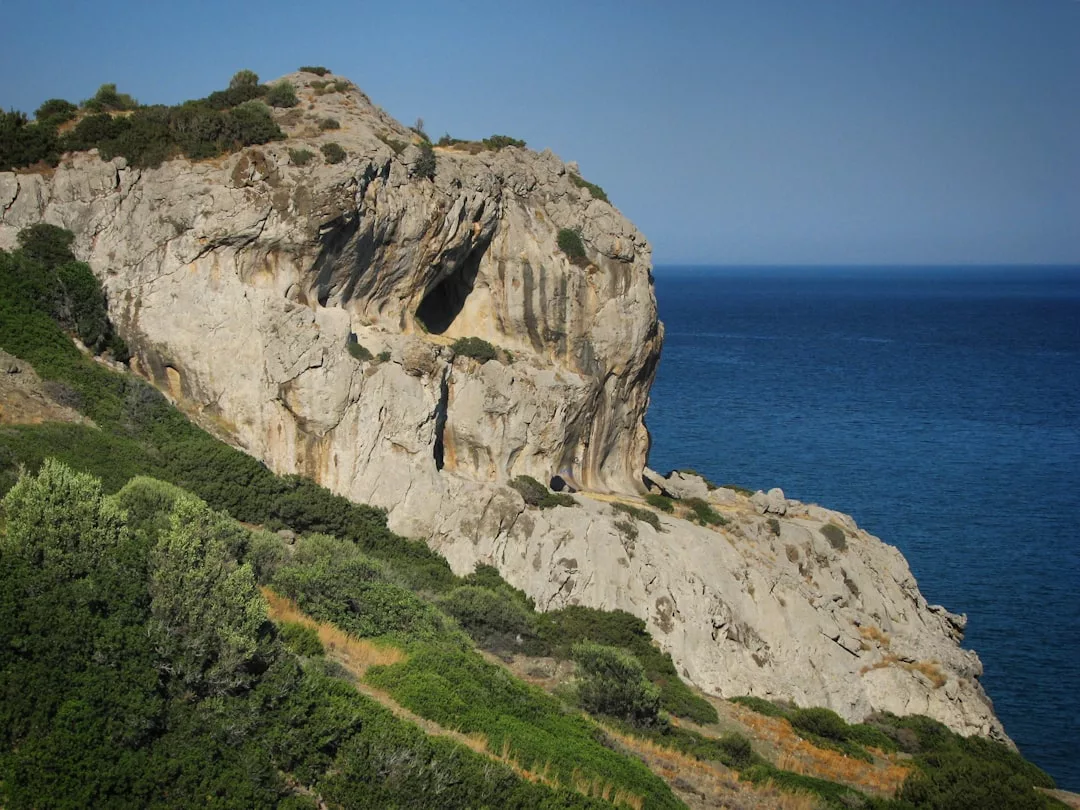
Deià’s mountainous terrain is characterized by its diverse ecosystems and geological formations, making it an intriguing subject for photographers. The Sierra de Tramuntana mountain range, which runs along Mallorca’s northwest coast, features limestone cliffs that rise dramatically from the sea, creating stunning backdrops for landscape photography. The ruggedness of these cliffs contrasts beautifully with the lush greenery found in the valleys below, offering endless opportunities for creative compositions.
The area is also home to numerous hiking trails that wind through its varied landscapes, providing access to hidden viewpoints and secluded spots perfect for photography. For instance, hiking to viewpoints such as Sa Foradada allows photographers to capture sweeping vistas of both mountains and coastline. The unique interplay between land and sea creates opportunities for dynamic compositions that highlight Deià’s natural beauty from different perspectives.
The Importance of Weather and Timing in Mountain Photography
Weather conditions can dramatically influence mountain photography outcomes. Clear skies may seem ideal at first glance; however, clouds can add depth and drama to an image by creating interesting patterns in the sky or casting shadows across the landscape. Photographers should embrace changing weather conditions rather than shy away from them; moody skies often result in more compelling photographs than bright blue ones.
Timing is equally critical when it comes to capturing mountain landscapes. Seasonal changes can transform a familiar scene into something entirely new; spring brings vibrant wildflowers while autumn showcases rich foliage colors. Additionally, early mornings often present mist or fog that blankets valleys, adding an ethereal quality to photographs.
By being attuned to both weather patterns and seasonal shifts, photographers can maximize their chances of capturing stunning images that reflect the true essence of Deià’s mountains.
Post-Processing Tips for Enhancing Mountain Landscape Photos
Post-processing is an integral part of modern photography that allows photographers to refine their images further after capture. Software like Adobe Lightroom or Photoshop provides tools for adjusting exposure, contrast, saturation, and sharpness—all essential elements in enhancing mountain landscapes. For instance, increasing contrast can help define textures in rocky surfaces while boosting saturation can make colors more vibrant without appearing unnatural.
Another valuable post-processing technique involves selective editing using masks or adjustment layers. This allows photographers to enhance specific areas of an image without affecting others; for example, brightening a foreground element while keeping the background subdued can draw attention where it’s needed most. Additionally, sharpening techniques can help bring out fine details in mountain textures or foliage, ensuring that every aspect of the photograph contributes to its overall impact.

Composition and Framing Techniques for Mountain Photography
Effective composition is vital in mountain photography as it determines how viewers perceive a scene. Beyond the rule of thirds, other techniques such as leading lines can guide viewers’ eyes through an image. Natural lines found in trails or rivers can create pathways that draw attention toward focal points like peaks or valleys.
Incorporating these elements into compositions not only enhances visual interest but also helps convey a sense of journey within the photograph. Framing techniques also play a significant role in mountain photography. Using natural elements such as trees or rock formations to frame a subject can add depth and context to an image while creating a sense of intimacy with the landscape.
This technique encourages viewers to engage more deeply with the photograph as they explore both foreground and background elements simultaneously.
Tips for Creating Stunning Long Exposure Mountain Shots
Long exposure photography is an excellent way to capture movement within mountain landscapes—be it flowing water from streams or clouds drifting across the sky. To achieve stunning long exposure shots, photographers should use neutral density (ND) filters that reduce light entering the lens without affecting color balance; this allows for longer shutter speeds even during bright daylight conditions. When setting up for long exposures, stability is paramount; using a sturdy tripod ensures that images remain sharp despite extended exposure times.
Additionally, employing techniques such as pre-focusing on subjects before attaching filters can help maintain focus accuracy throughout longer exposures. Experimenting with different shutter speeds will yield varying effects; slower speeds create smooth water surfaces while faster speeds may retain some texture—both options offer unique interpretations of Deià’s mountainous beauty.
The Benefits of Joining a Premium Landscape Photography Workshop in Deià
Participating in a premium landscape photography workshop in Deià offers numerous advantages for both novice and experienced photographers alike. These workshops provide structured learning environments where participants can gain insights from seasoned professionals who share their expertise on various aspects of mountain photography—from technical skills to creative vision. Moreover, workshops often include guided excursions to prime shooting locations within Deià’s stunning landscapes, ensuring that participants have access to some of the best vantage points available.
This not only saves time but also enhances learning experiences as instructors provide real-time feedback on composition choices and camera settings during shoots. Networking opportunities with fellow photography enthusiasts further enrich these workshops; sharing experiences fosters camaraderie while inspiring creativity among participants. In conclusion, Deià’s breathtaking mountain landscapes present an unparalleled opportunity for photographers seeking to hone their craft while immersing themselves in nature’s beauty.
Through understanding equipment choices, mastering composition techniques, embracing weather conditions, and engaging in post-processing practices—all enhanced by participation in workshops—photographers can elevate their skills and create stunning images that capture the essence of this remarkable region.