Auction pitfalls: buying repossessed properties in Palma
October 8, 2025
The repossessed property market in Palma, the capital of Mallorca, has gained significant attention in recent years, particularly as the island’s real estate landscape continues to evolve. Repossessed properties, often referred to as bank-owned or foreclosed properties, arise when homeowners default on their mortgage obligations, leading financial institutions to reclaim ownership. This market segment can present unique opportunities for buyers looking for competitive pricing in a region known for its stunning architecture and vibrant culture.
The allure of acquiring a property at a reduced price can be enticing, especially in a locale where property values have historically appreciated. In Palma, the repossessed property market is characterized by a diverse range of offerings, from quaint apartments in the historic center to larger villas on the outskirts. The economic fluctuations and the impact of the COVID-19 pandemic have led to an increase in the number of properties entering this market.
Buyers are often drawn to these opportunities not only for potential savings but also for the chance to invest in a desirable location. However, understanding the nuances of this market is crucial, as it requires a keen awareness of local regulations, property conditions, and the overall economic climate.
Key Takeaways
- Understanding the repossessed property market in Palma:
- The repossessed property market in Palma offers opportunities for buyers to find properties at discounted prices due to foreclosure or default by the previous owner.
- Risks and challenges of buying repossessed properties in Palma:
- Buyers should be aware of potential risks such as hidden liens, property damage, and legal complications when purchasing repossessed properties in Palma.
- Researching the property and its history:
- It is crucial to conduct thorough research on the property’s history, including any outstanding debts, liens, or legal issues that may affect the purchase.
- Hidden costs and fees associated with repossessed properties:
- Buyers should be prepared for additional costs such as property taxes, maintenance fees, and potential renovation expenses when purchasing repossessed properties in Palma.
- Dealing with the legalities of purchasing a repossessed property:
- Buyers should seek legal advice to navigate the complex legal process of purchasing a repossessed property in Palma and ensure a smooth transaction.
Risks and challenges of buying repossessed properties in Palma
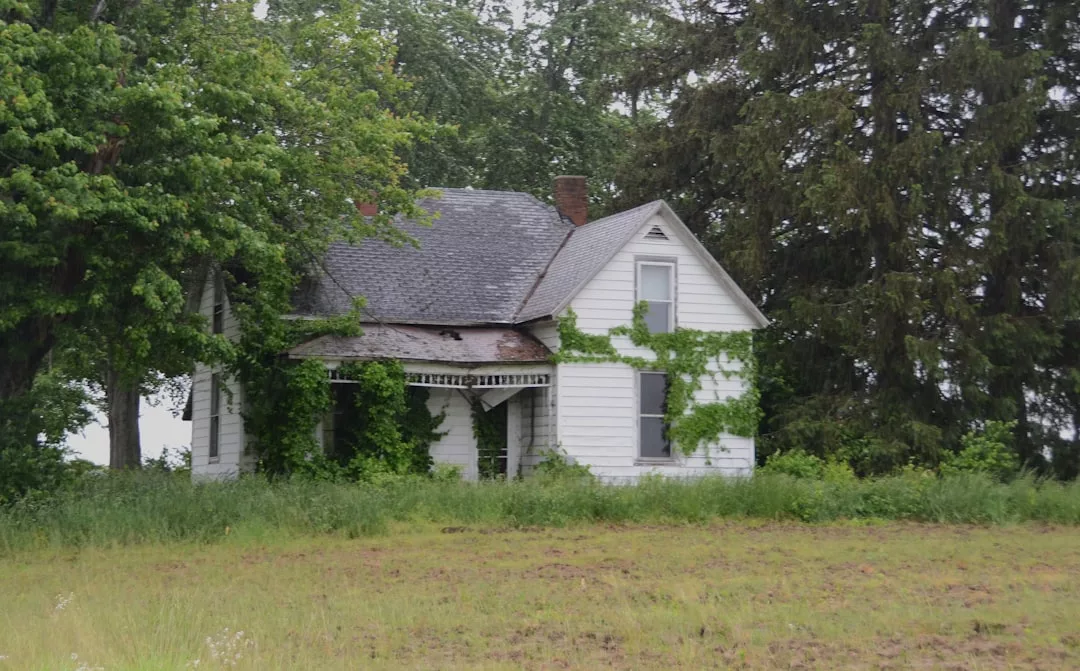
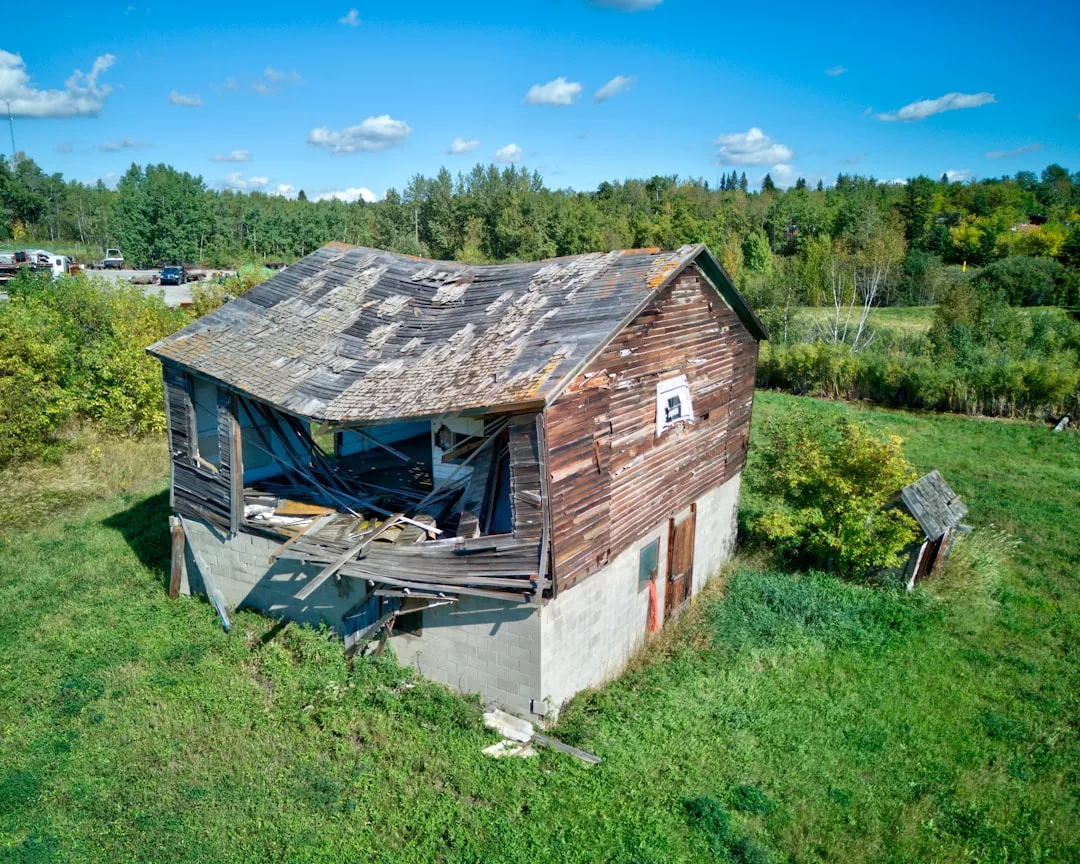
While the prospect of purchasing a repossessed property in Palma can be appealing, it is essential to recognize the inherent risks and challenges associated with such transactions. One significant concern is the condition of the property itself. Many repossessed homes may have been neglected or poorly maintained, leading to unforeseen repair costs that can quickly escalate.
Buyers may find themselves facing extensive renovations or even structural issues that were not immediately apparent during initial viewings. This uncertainty can turn what seemed like a bargain into a financial burden. Another challenge lies in the legal complexities surrounding repossessed properties.
The process of acquiring these homes often involves navigating through a labyrinth of paperwork and regulations that can be daunting for even seasoned investors. Issues such as outstanding debts, liens, or unresolved disputes can complicate the purchase process and may require legal intervention to resolve. Additionally, buyers must be prepared for potential competition from other investors or homebuyers who are also seeking to capitalize on the opportunities presented by repossessed properties, which can drive up prices and create bidding wars.
Researching the property and its history
Thorough research is paramount when considering a repossessed property in Palma. Understanding the property’s history can provide valuable insights into its condition and potential pitfalls. Buyers should investigate previous ownership records, any outstanding debts associated with the property, and whether it has been involved in any legal disputes.
This information can often be obtained through local land registries or by consulting with legal professionals who specialize in real estate transactions. Additionally, prospective buyers should delve into the neighborhood’s history and development trends. An area that has seen significant growth may indicate a promising investment opportunity, while neighborhoods experiencing decline could pose risks to future property values.
Engaging with local residents or community groups can also provide anecdotal evidence about the area’s reputation and any potential issues that may not be immediately visible through official channels.
Hidden costs and fees associated with repossessed properties
When purchasing repossessed properties in Palma, buyers must be acutely aware of hidden costs and fees that can significantly impact their overall budget. Beyond the purchase price, various expenses can arise during the transaction process. For instance, buyers may encounter administrative fees charged by banks or auction houses, which can vary widely depending on the institution involved.
These fees can add up quickly and should be factored into any financial calculations. Moreover, buyers should consider ongoing costs associated with property ownership that may not be immediately apparent. Property taxes, maintenance fees, and homeowners’ association dues can all contribute to the total cost of ownership.
Additionally, if significant renovations are required, buyers should budget for these expenses as well. Engaging with a financial advisor or real estate professional can help buyers create a comprehensive budget that accounts for both expected and unexpected costs.

Dealing with the legalities of purchasing a repossessed property
Navigating the legal landscape when purchasing a repossessed property in Palma is crucial to ensuring a smooth transaction. The legalities surrounding these properties can be complex due to their unique status as bank-owned assets. Buyers must familiarize themselves with local laws governing real estate transactions, including any specific regulations related to foreclosures and repossessions.
Consulting with a lawyer who specializes in real estate law can provide invaluable guidance throughout this process. One critical aspect of the legal process involves conducting due diligence on the property title. Buyers should ensure that there are no outstanding liens or encumbrances that could affect their ownership rights.
Additionally, understanding the terms of sale set forth by the bank or auction house is essential; these terms may include specific conditions regarding repairs or modifications to the property prior to sale. By being proactive in addressing these legal considerations, buyers can mitigate potential risks and ensure a more secure investment.
Evaluating the condition of the property and potential renovation costs
Assessing the condition of a repossessed property is one of the most critical steps in the buying process. Many bank-owned homes are sold “as-is,” meaning that buyers must be prepared to take on any necessary repairs or renovations without recourse to the seller for compensation. Conducting a thorough inspection is essential; hiring a qualified home inspector can help identify hidden issues such as plumbing problems, electrical faults, or structural damage that may not be immediately visible.
Once potential issues have been identified, buyers should obtain estimates for necessary repairs to gauge the total investment required beyond the purchase price. This evaluation should include both cosmetic updates and more extensive renovations that may be needed to bring the property up to code or enhance its value. Understanding these costs upfront allows buyers to make informed decisions about their investment and avoid being blindsided by unexpected expenses down the line.
Assessing the neighborhood and surrounding amenities
The location of a repossessed property plays a pivotal role in its long-term value and desirability. When evaluating a potential purchase in Palma, buyers should consider not only the immediate surroundings but also access to essential amenities such as schools, healthcare facilities, shopping centers, and public transportation options. A neighborhood with robust infrastructure and services is likely to attract future buyers or renters, enhancing the property’s investment potential.
Additionally, understanding local demographics and community dynamics can provide insights into future growth prospects. Areas undergoing revitalization or development often present lucrative opportunities for investors willing to take calculated risks. Engaging with local real estate experts or community organizations can offer valuable perspectives on neighborhood trends and help buyers make informed decisions about their investments.

Understanding the auction process and potential competition
Many repossessed properties in Palma are sold through auctions, which can be an exciting yet competitive environment for buyers. Understanding how this process works is essential for anyone looking to participate in an auction for bank-owned properties. Auctions typically involve bidding on properties without prior negotiations on price; therefore, buyers must come prepared with a clear understanding of their budget and maximum bid limits.
Competition at auctions can be fierce, particularly in desirable areas where multiple bidders are vying for limited inventory. Buyers should research recent auction results to gauge bidding patterns and understand how much similar properties have sold for in recent months. This information can help inform bidding strategies and ensure that buyers do not overextend themselves financially during the auction process.
Financing options for purchasing repossessed properties
Financing a repossessed property in Palma presents unique challenges compared to traditional home purchases. Many banks may require higher down payments or impose stricter lending criteria due to the perceived risks associated with these properties. Buyers should explore various financing options available to them, including conventional mortgages, government-backed loans, or even cash purchases if feasible.
Working closely with lenders who have experience in financing repossessed properties can provide valuable insights into available options and help streamline the approval process. Additionally, buyers should consider pre-approval for financing before entering an auction or making an offer on a property; this not only strengthens their position as serious buyers but also provides clarity on budget constraints.
Working with a reputable real estate agent or auction specialist
Engaging with a knowledgeable real estate agent or auction specialist is crucial when navigating the complexities of purchasing repossessed properties in Palma. A reputable agent will not only assist with identifying suitable properties but also provide guidance throughout the negotiation process.
Moreover, an experienced agent can help buyers avoid common pitfalls associated with repossessed properties by conducting thorough due diligence on potential purchases and advising on appropriate bidding strategies at auctions. Their expertise can prove invaluable in ensuring that buyers make informed decisions while minimizing risks associated with their investments.

Tips for avoiding common pitfalls when buying repossessed properties in Palma
To successfully navigate the repossessed property market in Palma, buyers should be aware of common pitfalls that can lead to costly mistakes. One key tip is to avoid rushing into a purchase without conducting thorough research; taking time to evaluate all aspects of a potential investment is essential for making informed decisions. Buyers should also remain vigilant about their budget and avoid getting caught up in bidding wars that could lead to overextending financially.
Additionally, it is crucial for buyers to maintain realistic expectations regarding renovation costs and timelines when considering repossessed properties. Many homes may require significant work before they are livable or marketable; understanding these requirements upfront can prevent disappointment later on. Finally, leveraging professional expertise—whether through real estate agents, inspectors, or legal advisors—can provide invaluable support throughout the buying process and help mitigate risks associated with purchasing repossessed properties in Palma.