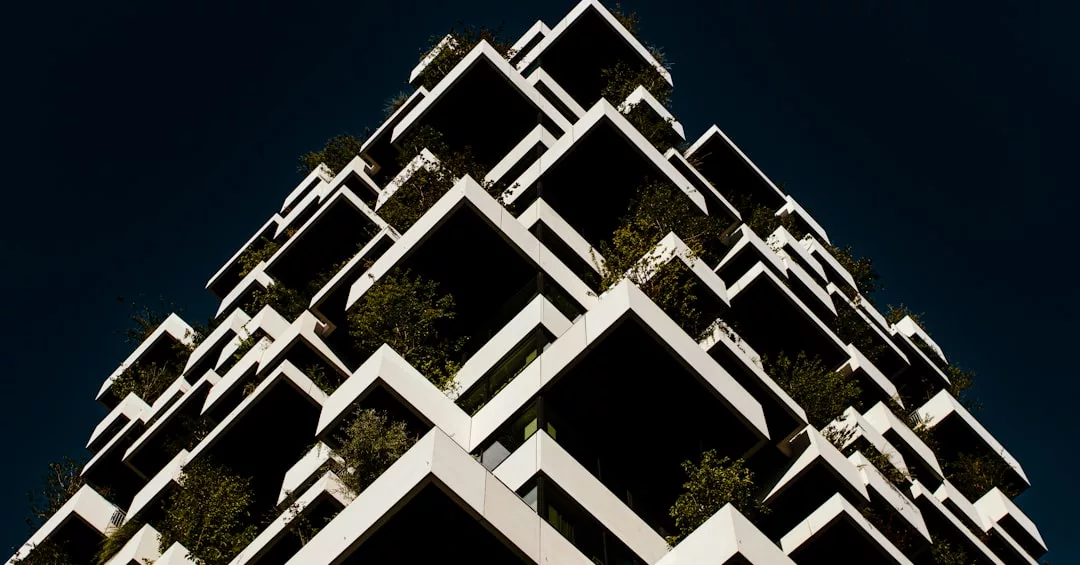
Eco-certified construction projects in Colònia de Sant Jordi
February 6, 2025
In recent years, Colònia de Sant Jordi, a picturesque coastal town in Mallorca, has witnessed a significant shift towards eco-certified construction projects. This transformation is not merely a trend but a response to the growing awareness of environmental issues and the need for sustainable development. As the demand for eco-friendly living spaces increases, developers and architects are embracing eco-certification as a standard practice rather than an exception.
This movement is fueled by both local and global initiatives aimed at reducing carbon footprints and promoting sustainable building practices. The rise of eco-certified construction in Colònia de Sant Jordi can be attributed to several factors, including government incentives, community support, and a shift in consumer preferences. Local authorities have recognized the importance of sustainable development and have implemented policies that encourage eco-friendly building practices.
These policies often include tax breaks, grants, and streamlined permitting processes for projects that meet specific environmental standards. As a result, developers are increasingly motivated to pursue eco-certification, knowing that it not only aligns with regulatory frameworks but also appeals to environmentally conscious buyers.
Key Takeaways
- Eco-certified construction projects are on the rise in Colònia de Sant Jordi, reflecting a growing awareness of environmental sustainability in the construction industry.
- Understanding the importance of eco-certification in construction is crucial for promoting sustainable development and reducing the environmental impact of building projects.
- Eco-certified construction projects bring numerous benefits to Colònia de Sant Jordi, including improved energy efficiency, reduced carbon emissions, and enhanced public health and well-being.
- Sustainable materials and practices play a key role in eco-certified construction, contributing to the overall environmental and social impact of building projects in Colònia de Sant Jordi.
- Eco-certified construction projects have a positive impact on the environment in Colònia de Sant Jordi, helping to preserve natural resources and mitigate the effects of climate change.
Understanding the Importance of Eco-Certification in Construction
Eco-certification serves as a benchmark for assessing the sustainability of construction projects. It involves a rigorous evaluation process that considers various factors, including energy efficiency, water conservation, waste management, and the use of sustainable materials. By obtaining eco-certification, builders demonstrate their commitment to minimizing environmental impact while enhancing the quality of life for occupants. The importance of eco-certification extends beyond individual projects; it plays a crucial role in shaping industry standards and practices. As more builders seek certification, it creates a ripple effect throughout the construction sector, encouraging innovation and the adoption of new technologies.
For instance, the integration of renewable energy sources, such as solar panels and wind turbines, has become more prevalent in eco-certified projects. This shift not only reduces reliance on fossil fuels but also sets a precedent for future developments, fostering a culture of sustainability within the industry.
The Benefits of Eco-Certified Construction Projects for Colònia de Sant Jordi
Eco-certified construction projects offer numerous benefits to Colònia de Sant Jordi, both environmentally and economically. One of the most significant advantages is the reduction in energy consumption. Buildings designed with energy efficiency in mind often utilize advanced insulation techniques, energy-efficient appliances, and smart technology to monitor and manage energy use.
This not only lowers utility bills for residents but also contributes to a decrease in greenhouse gas emissions, aligning with global efforts to combat climate change. Moreover, eco-certified projects can enhance property values in Colònia de Sant Jordi. As buyers become more aware of the benefits associated with sustainable living, properties that boast eco-certification are increasingly sought after.
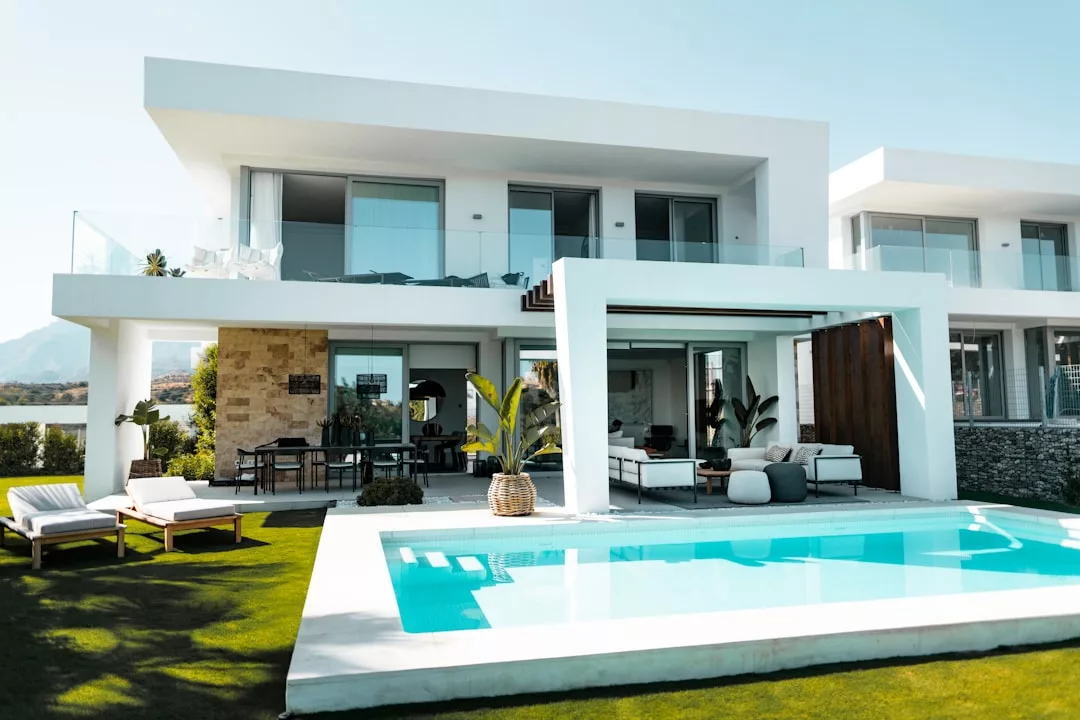
This trend is particularly relevant in a region known for its natural beauty and outdoor lifestyle. Eco-friendly homes often feature designs that harmonize with the surrounding environment, further appealing to potential buyers who prioritize sustainability and aesthetics. Consequently, developers who invest in eco-certified construction can expect a favorable return on investment while contributing positively to the local economy.
The Role of Sustainable Materials and Practices in Eco-Certified Construction
Sustainable materials play a pivotal role in eco-certified construction projects. The selection of materials is critical not only for the structural integrity of buildings but also for their environmental impact. Eco-certified projects often prioritize locally sourced materials that reduce transportation emissions and support local economies.
For example, using locally quarried stone or timber can significantly lower the carbon footprint associated with construction while promoting regional craftsmanship. In addition to material selection, sustainable practices are integral to the construction process itself. Techniques such as modular construction and prefabrication can minimize waste and improve efficiency on job sites.
By reducing excess material usage and optimizing labor processes, builders can achieve higher levels of sustainability without compromising quality. Furthermore, implementing waste management strategies during construction—such as recycling scrap materials—ensures that fewer resources end up in landfills, reinforcing the principles of eco-certification.
The Impact of Eco-Certified Construction Projects on the Environment
The environmental impact of eco-certified construction projects is profound and multifaceted. One of the most immediate benefits is the reduction in resource consumption during both the construction phase and the building’s operational life. Eco-certified buildings are designed to be energy-efficient, utilizing renewable energy sources and advanced technologies that minimize reliance on non-renewable resources. Moreover, eco-certified projects contribute to biodiversity preservation by incorporating green spaces and promoting sustainable landscaping practices. In Colònia de Sant Jordi, where natural beauty is a significant draw for residents and tourists alike, maintaining ecological balance is essential.
Eco-certified developments often include features such as green roofs, rain gardens, and native plant landscaping that enhance local ecosystems while providing recreational spaces for the community. These initiatives help protect local flora and fauna while fostering a sense of connection between residents and their environment.
Case Studies of Successful Eco-Certified Construction Projects in Colònia de Sant Jordi
Several successful eco-certified construction projects have emerged in Colònia de Sant Jordi, showcasing innovative approaches to sustainable building practices. One notable example is a residential complex that achieved LEED (Leadership in Energy and Environmental Design) certification through its commitment to energy efficiency and sustainable materials. The project incorporated solar panels, rainwater harvesting systems, and high-performance insulation to minimize energy consumption while providing residents with modern amenities.
Another exemplary project is a community center designed with sustainability at its core. This facility not only serves as a hub for local activities but also features educational programs focused on environmental awareness. The center’s design includes natural ventilation systems, green roofs, and locally sourced materials, making it a model for future developments in the area.
By demonstrating the feasibility of eco-certified construction in both residential and communal settings, these case studies inspire other developers to adopt similar practices.
Challenges and Obstacles in Implementing Eco-Certified Construction Projects in Colònia de Sant Jordi
Despite the growing interest in eco-certified construction projects, several challenges hinder their widespread implementation in Colònia de Sant Jordi. One significant obstacle is the initial cost associated with sustainable building practices. While long-term savings on energy bills can offset these costs, many developers may be hesitant to invest upfront in eco-friendly technologies or materials due to perceived financial risks.
This reluctance can slow down the adoption of eco-certification among builders who prioritize short-term profitability over long-term sustainability. Additionally, there may be a lack of awareness or understanding among stakeholders about the benefits of eco-certification. Some developers may view it as an unnecessary complication rather than an opportunity for differentiation in a competitive market.
Furthermore, regulatory hurdles can pose challenges; navigating local zoning laws or building codes that do not yet fully embrace sustainable practices can create additional barriers for those seeking certification. Addressing these challenges requires concerted efforts from local authorities, industry leaders, and community advocates to foster an environment conducive to eco-certified construction.

The Future of Eco-Certified Construction in Colònia de Sant Jordi
The future of eco-certified construction in Colònia de Sant Jordi appears promising as awareness continues to grow regarding environmental issues and sustainable living practices. With increasing pressure from both consumers and regulatory bodies to adopt greener building methods, developers are likely to prioritize eco-certification as a standard practice rather than an optional add-on. This shift will be further supported by advancements in technology that make sustainable building more accessible and cost-effective.
Moreover, as climate change becomes an ever-pressing concern globally, communities like Colònia de Sant Jordi will likely see an influx of initiatives aimed at promoting sustainability within urban planning frameworks. Collaborative efforts between local governments, non-profit organizations, and private developers will be essential in creating policies that incentivize eco-certified construction while ensuring that these projects align with community needs and values.
How Eco-Certified Construction Projects Contribute to the Community of Colònia de Sant Jordi
Eco-certified construction projects contribute significantly to the community fabric of Colònia de Sant Jordi by enhancing quality of life while promoting environmental stewardship. These projects often prioritize community engagement during their planning phases, ensuring that local voices are heard and considered in decision-making processes. By involving residents in discussions about sustainable development goals, builders can create spaces that reflect community values while addressing pressing environmental concerns.
Furthermore, eco-certified buildings often serve as educational platforms for residents and visitors alike. Many projects incorporate features such as interpretive signage or community workshops focused on sustainability practices. These initiatives foster a culture of environmental awareness within the community, encouraging individuals to adopt more sustainable lifestyles beyond their immediate living spaces.
As residents become more informed about ecological issues through these projects, they are likely to advocate for further sustainability initiatives within Colònia de Sant Jordi.
The Importance of Collaboration and Partnerships in Eco-Certified Construction Projects
Collaboration among various stakeholders is crucial for the success of eco-certified construction projects in Colònia de Sant Jordi. Developers must work closely with architects, engineers, local governments, and community organizations to ensure that projects meet both sustainability goals and community needs. This collaborative approach fosters innovation by bringing together diverse perspectives and expertise that can lead to more effective solutions.
Partnerships with local businesses can also enhance the sustainability of construction projects by promoting the use of regional materials and services. For instance, collaborating with local artisans for design elements or sourcing materials from nearby suppliers not only reduces transportation emissions but also supports the local economy. Such partnerships create a sense of ownership within the community while reinforcing the importance of sustainability as a collective goal.

Tips for Developers and Contractors Interested in Eco-Certified Construction Projects in Colònia de Sant Jordi
For developers and contractors looking to embark on eco-certified construction projects in Colònia de Sant Jordi, several strategies can facilitate success. First and foremost, investing time in understanding various eco-certification programs is essential; each program has its own set of criteria and benefits that may align differently with specific project goals. Engaging with certification bodies early in the planning process can provide valuable insights into best practices and potential pitfalls.
Additionally, fostering relationships with local stakeholders—including government officials, community leaders, and environmental organizations—can enhance project viability by ensuring alignment with community values and regulatory requirements. Developers should also prioritize education for their teams regarding sustainable building practices; training sessions on energy-efficient technologies or waste reduction strategies can empower workers to implement these principles effectively on-site. By embracing these strategies and remaining committed to sustainability throughout the construction process, developers can contribute positively to both Colònia de Sant Jordi’s built environment and its broader ecological landscape.