Sustainable estate developments in Port d’Alcúdia
September 13, 2025
Port d’Alcúdia, located on the northern coast of Mallorca, Spain, is a vibrant destination known for its stunning beaches, rich history, and thriving tourism industry. This picturesque port town has evolved from a small fishing village into a bustling hub that attracts visitors from around the globe. The area is characterized by its beautiful marina, which serves as a gateway for yachts and boats, and its proximity to natural parks and historical sites.
The blend of natural beauty and cultural heritage makes Port d’Alcúdia a unique locale that is increasingly focusing on sustainable development to preserve its charm while accommodating growth. As the demand for real estate in coastal areas continues to rise, Port d’Alcúdia faces the challenge of balancing development with environmental preservation. The local government and developers are increasingly recognizing the importance of sustainable estate developments that not only enhance the quality of life for residents and visitors but also protect the region’s natural resources.
This commitment to sustainability is crucial in ensuring that Port d’Alcúdia remains an attractive destination for future generations while maintaining its ecological integrity.
Key Takeaways
- Port d’Alcúdia is a beautiful coastal town in Mallorca, Spain, known for its stunning beaches and natural landscapes.
- Sustainable estate developments are crucial for preserving the environment and ensuring a high quality of life for future generations.
- Green building practices, such as using eco-friendly materials and energy-efficient design, are being implemented in Port d’Alcúdia to reduce environmental impact.
- Renewable energy sources, such as solar and wind power, are being integrated into estate developments to reduce reliance on fossil fuels.
- Water conservation and management strategies are being employed in Port d’Alcúdia to ensure sustainable use of this precious resource.
The Importance of Sustainable Estate Developments
Sustainable estate developments are essential in addressing the pressing environmental challenges faced by coastal regions like Port d’Alcúdia. These developments prioritize ecological balance, social equity, and economic viability, creating communities that are resilient to climate change and other environmental stresses. By integrating sustainable practices into real estate projects, developers can minimize their ecological footprint while enhancing the quality of life for residents.
This approach not only benefits the environment but also fosters a sense of community and belonging among residents. Moreover, sustainable estate developments can significantly contribute to the local economy. By attracting eco-conscious tourists and residents, these projects can stimulate job creation in sectors such as green construction, renewable energy, and sustainable tourism.
The long-term economic benefits of sustainable development often outweigh the initial investment costs, making it a wise choice for both developers and local governments. In Port d’Alcúdia, embracing sustainability can lead to a thriving economy that supports local businesses while preserving the natural beauty that draws visitors to the area.
Green Building Practices in Port d’Alcúdia
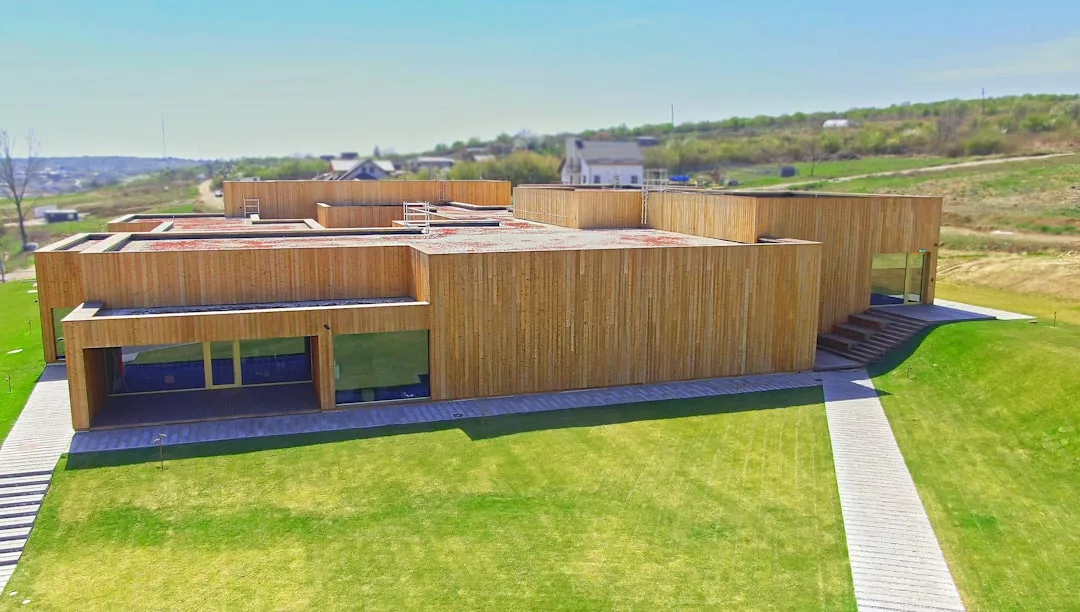
Green building practices are at the forefront of sustainable estate developments in Port d’Alcúdia. These practices encompass a range of strategies aimed at reducing energy consumption, minimizing waste, and utilizing environmentally friendly materials. For instance, many new constructions in the area are designed with energy-efficient systems such as high-performance insulation, energy-efficient windows, and smart home technologies that optimize energy use.
These features not only lower utility bills for residents but also reduce the overall carbon footprint of the buildings. Additionally, the use of sustainable materials is gaining traction among developers in Port d’Alcúdia. Recycled materials, locally sourced timber, and low-VOC (volatile organic compounds) paints are becoming standard choices in new construction projects.
These materials not only contribute to healthier indoor environments but also support local economies by reducing transportation emissions associated with importing materials from distant locations. By prioritizing green building practices, Port d’Alcúdia is setting a precedent for responsible development that aligns with global sustainability goals.
Renewable Energy Integration in Estate Developments
The integration of renewable energy sources is a critical component of sustainable estate developments in Port d’Alcúdia. With abundant sunshine throughout the year, solar energy presents a viable option for powering residential and commercial properties. Many new developments are incorporating solar panels into their designs, allowing homeowners to harness clean energy while reducing their reliance on fossil fuels.
This shift not only lowers energy costs but also contributes to a significant reduction in greenhouse gas emissions. Wind turbines can be strategically placed in areas with favorable wind conditions to generate electricity for local communities.
Geothermal systems can provide efficient heating and cooling solutions by utilizing the earth’s stable temperatures. By diversifying their energy sources, developers can create more resilient communities that are less vulnerable to fluctuations in energy prices and supply disruptions.
Water Conservation and Management in Port d’Alcúdia
Water conservation is a pressing concern in coastal regions like Port d’Alcúdia, where freshwater resources are limited and often under threat from pollution and over-extraction. Sustainable estate developments are increasingly incorporating advanced water management systems designed to optimize water use and minimize waste. Rainwater harvesting systems are becoming common features in new constructions, allowing homeowners to collect and store rainwater for irrigation and other non-potable uses.
Furthermore, developers are implementing greywater recycling systems that treat wastewater from sinks, showers, and washing machines for reuse in irrigation or toilet flushing. These systems not only reduce the demand for freshwater but also alleviate pressure on local wastewater treatment facilities. By prioritizing water conservation measures, Port d’Alcúdia can ensure a sustainable water supply for its residents while protecting its delicate ecosystems from over-exploitation.
Biodiversity and Land Preservation in Estate Developments
The preservation of biodiversity is a fundamental aspect of sustainable estate developments in Port d’Alcúdia. The region is home to diverse ecosystems that support various plant and animal species, many of which are unique to the Mediterranean environment. Developers are increasingly recognizing the importance of integrating natural habitats into their projects rather than displacing them.
This approach involves creating green spaces such as parks, gardens, and wildlife corridors that promote biodiversity while enhancing the aesthetic appeal of residential areas. In addition to preserving existing habitats, developers are also encouraged to engage in reforestation and habitat restoration efforts as part of their projects. By planting native trees and restoring degraded landscapes, they can contribute to carbon sequestration efforts while providing essential habitats for local wildlife.
This commitment to biodiversity not only enriches the local environment but also fosters a sense of stewardship among residents who benefit from living in harmony with nature.

Community Engagement and Social Responsibility in Sustainable Developments
Community engagement is a vital component of successful sustainable estate developments in Port d’Alcúdia. Developers are increasingly involving local residents in the planning process to ensure that new projects align with community needs and values. Public consultations, workshops, and surveys provide platforms for residents to voice their opinions and contribute ideas on how to enhance their neighborhoods sustainably.
Moreover, social responsibility extends beyond community engagement; it encompasses initiatives that support local economies and promote social equity. Developers are encouraged to prioritize local hiring practices during construction projects and collaborate with local businesses to source materials and services. By fostering strong relationships with the community, developers can create inclusive environments that reflect the diverse needs of residents while promoting economic resilience.
Transportation and Infrastructure Planning for Sustainable Living
Transportation plays a crucial role in shaping sustainable living environments in Port d’Alcúdia. As urban areas expand, efficient transportation systems become essential for reducing traffic congestion and minimizing carbon emissions. Sustainable estate developments are increasingly designed with integrated transportation solutions that prioritize public transit, cycling, and walking over car dependency.
Developers are working closely with local authorities to create pedestrian-friendly neighborhoods that encourage walking and cycling as primary modes of transportation. Additionally, electric vehicle charging stations are being incorporated into new developments to support the growing demand for electric cars.
By promoting sustainable transportation options, Port d’Alcúdia can enhance mobility while reducing its environmental impact.
Economic Benefits of Sustainable Estate Developments
The economic benefits of sustainable estate developments extend far beyond immediate financial gains; they contribute to long-term economic stability and resilience for communities like Port d’Alcúdia. Sustainable developments often attract eco-conscious investors and buyers who prioritize environmental responsibility when making purchasing decisions. This demand can lead to increased property values and higher returns on investment for developers.
Furthermore, sustainable estate developments create jobs across various sectors, including construction, renewable energy installation, and maintenance services. As these projects gain traction, they stimulate local economies by supporting businesses that provide goods and services aligned with sustainability goals. The ripple effect of job creation can lead to increased spending within the community, further bolstering economic growth.

Case Studies of Successful Sustainable Estate Developments in Port d’Alcúdia
Several successful case studies exemplify the potential of sustainable estate developments in Port d’Alcúdia. One notable example is the “Eco-Resort Alcúdia,” which integrates luxury accommodations with eco-friendly practices such as solar energy utilization, water recycling systems, and native landscaping designed to support local wildlife. This resort not only attracts environmentally conscious tourists but also serves as an educational platform for sustainability practices.
Another successful project is “Alcúdia Green Living,” a residential community designed with sustainability at its core. This development features energy-efficient homes equipped with smart technologies that monitor energy consumption and promote conservation behaviors among residents. The community also includes shared green spaces that encourage social interaction while preserving biodiversity through native plant landscaping.
Conclusion and Future Outlook for Sustainable Development in Port d’Alcúdia
The future outlook for sustainable development in Port d’Alcúdia appears promising as stakeholders increasingly recognize the importance of balancing growth with environmental stewardship. With ongoing advancements in green building practices, renewable energy integration, water conservation strategies, and community engagement initiatives, Port d’Alcúdia is poised to become a model for sustainable coastal living. As awareness of climate change continues to grow globally, the demand for sustainable estate developments will likely increase.
By embracing innovative solutions and fostering collaboration among developers, local governments, and residents, Port d’Alcúdia can pave the way for a resilient future that honors its natural beauty while meeting the needs of its community.