Exploring Cala Pi’s Sea Caves: Eco-Kayaking Trips
May 4, 2025
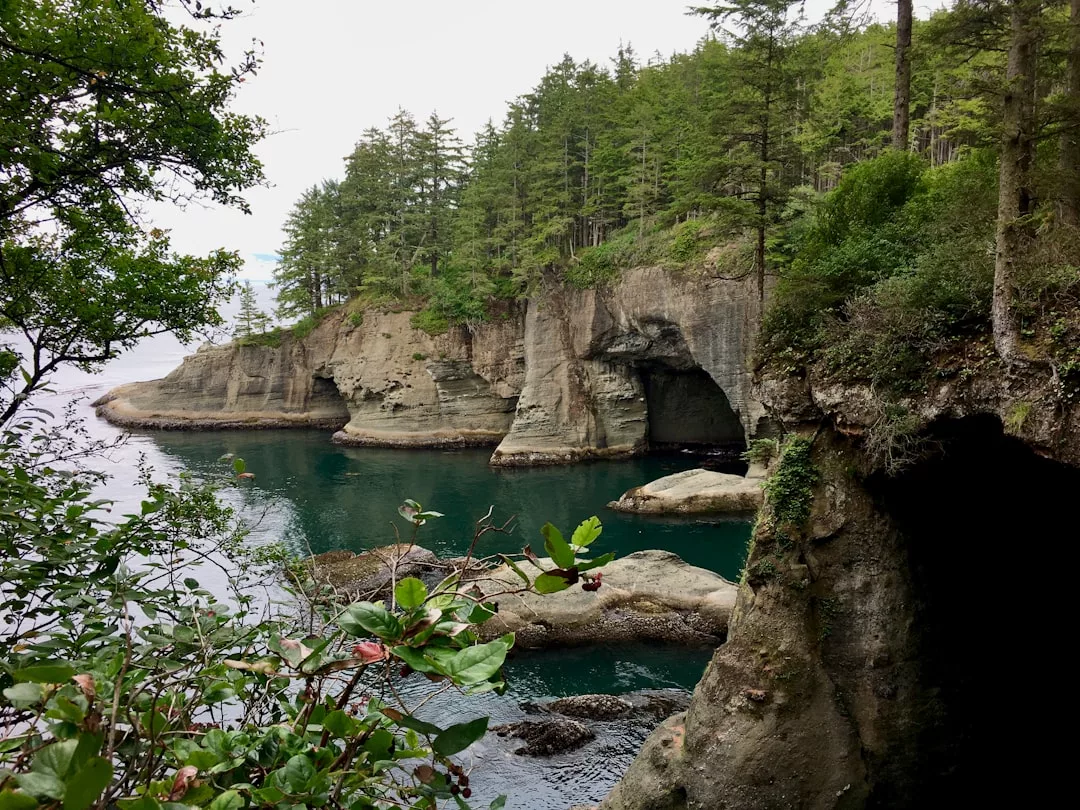
Cala Pi, a picturesque coastal village located on the southern coast of Mallorca, Spain, is renowned for its stunning natural beauty and rich marine biodiversity. Among its most captivating features are the sea caves that dot the coastline, offering a unique glimpse into the geological and ecological wonders of the Mediterranean. These caves, carved by the relentless action of waves over millennia, provide not only a breathtaking backdrop for visitors but also serve as vital habitats for various marine species.
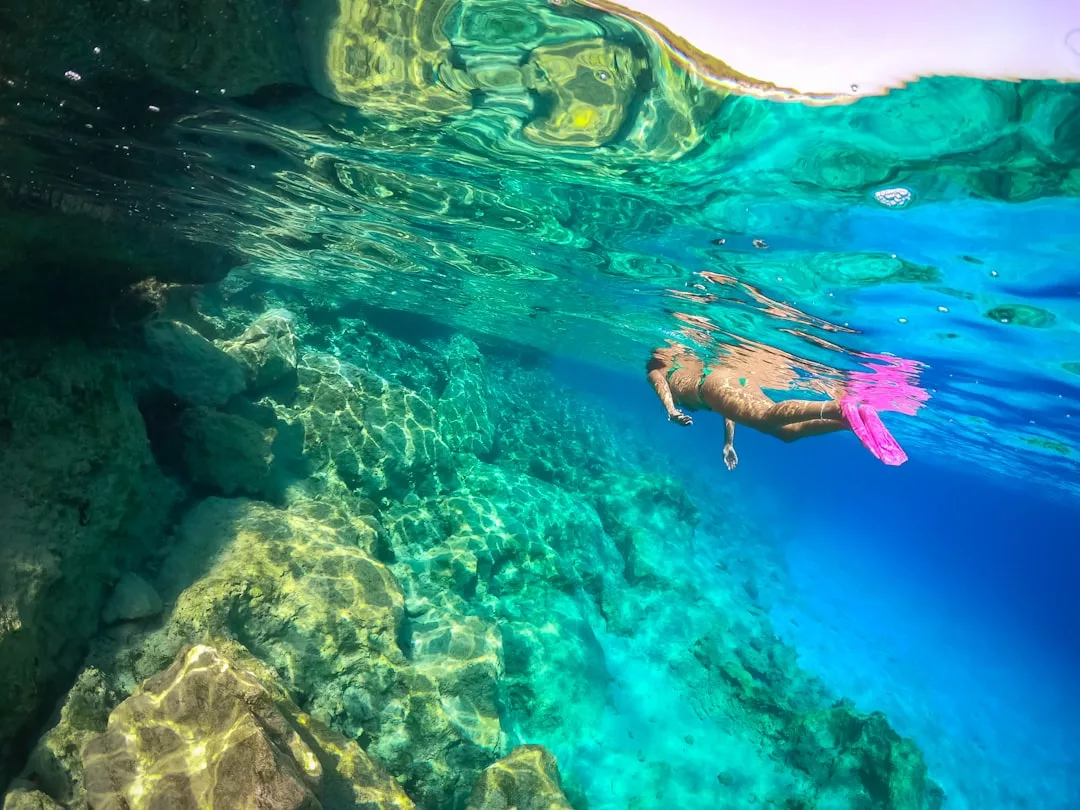
The allure of Cala Pi’s sea caves has made them a popular destination for eco-kayaking enthusiasts, who seek to explore these natural wonders while minimizing their impact on the environment. The experience of paddling through the crystal-clear waters of Cala Pi, surrounded by towering cliffs and hidden coves, is nothing short of magical. As kayakers glide through the serene waters, they are often greeted by the sight of vibrant marine life and the sound of waves echoing within the caves.
This unique environment offers an opportunity to connect with nature in a profound way, making it an ideal setting for eco-tourism.
Key Takeaways
- Cala Pi’s sea caves offer a unique and captivating experience for eco-kayaking enthusiasts, with their stunning natural beauty and rich ecological diversity.
- The sea caves of Cala Pi play a crucial role in supporting a wide variety of marine life, making them an important ecological hotspot in the region.
- Before embarking on an eco-kayaking trip to Cala Pi, it is essential to pack essential gear, such as a life jacket, sunscreen, and a waterproof camera, and to familiarize oneself with the local weather and tidal conditions.
- Safety should be a top priority when eco-kayaking in sea caves, and kayakers should be equipped with proper safety gear, such as a helmet and a whistle, and be aware of potential hazards such as strong currents and low visibility.
- Navigating the sea caves of Cala Pi requires skill and caution, and kayakers should utilize techniques such as edging and bracing to maneuver through narrow passages and rough waters.
The Ecological Importance of Cala Pi’s Sea Caves
Shelter and Protection
The caves offer shelter from predators and harsh environmental conditions, allowing these species to thrive in a relatively safe environment.Biodiversity and Breeding Grounds
Additionally, the unique microclimates created within the caves contribute to the overall biodiversity of the area, supporting both resident and migratory species. Moreover, the sea caves serve as important breeding grounds for several fish species. The sheltered environment allows young fish to grow and develop away from open waters where they might be more vulnerable to predation.Conservation and Sustainability
This aspect of the caves is particularly significant in light of global concerns regarding overfishing and habitat destruction. By protecting these natural habitats, we can help ensure the sustainability of local fish populations and maintain the health of the broader marine ecosystem.Preparing for an Eco-Kayaking Trip to Cala Pi
Embarking on an eco-kayaking adventure in Cala Pi requires careful preparation to ensure a safe and enjoyable experience. First and foremost, it is essential to choose the right time to visit. The best months for kayaking in Cala Pi typically fall between late spring and early autumn when weather conditions are more favorable, and sea conditions are generally calmer.
Checking local weather forecasts and tide schedules can help kayakers plan their trips effectively. In addition to timing, selecting appropriate gear is vital for a successful outing. Kayakers should invest in high-quality life jackets, paddles, and kayaks designed for stability and ease of maneuverability in coastal waters.
It is also advisable to wear sun protection, such as hats and sunscreen, as well as comfortable clothing that can withstand splashes and potential changes in temperature. Bringing along essential supplies like water, snacks, and a first-aid kit can further enhance the experience by ensuring that participants remain hydrated and energized throughout their journey.

Safety Measures and Equipment for Eco-Kayaking in Sea Caves
Safety should always be a top priority when engaging in eco-kayaking, especially in areas with unique geological features like Cala Pi’s sea caves. Before setting out, it is crucial to familiarize oneself with basic kayaking safety protocols. This includes understanding how to properly use safety equipment such as life jackets and signaling devices.
Additionally, kayakers should be aware of their surroundings and any potential hazards, such as strong currents or rocky outcrops. In terms of equipment, investing in a reliable kayak that is suited for coastal exploration is essential. Sit-on-top kayaks are often recommended for beginners due to their stability and ease of entry and exit.
Furthermore, carrying safety gear such as a whistle, flares, or a waterproof communication device can be invaluable in case of emergencies. It is also wise to paddle with a partner or group whenever possible, as this not only enhances safety but also allows for shared experiences and support during the adventure.
Navigating the Sea Caves: Tips and Techniques
Navigating through Cala Pi’s sea caves requires a combination of skill, awareness, and respect for the natural environment. One of the most important techniques is mastering the art of maneuvering in tight spaces. Kayakers should practice turning their vessels efficiently while maintaining control, especially when entering or exiting caves where space may be limited.
Using short strokes with the paddle can help maintain stability while allowing for precise movements. Additionally, being mindful of tidal changes is crucial when exploring sea caves. Tides can significantly affect water levels and currents within the caves, making it essential to plan trips around low tide when possible.
This not only enhances safety but also provides better visibility for observing marine life within the caves. Kayakers should also be cautious about entering caves during high tide or rough weather conditions, as waves can create dangerous situations.
Wildlife and Marine Life in Cala Pi’s Sea Caves
The marine life inhabiting Cala Pi’s sea caves is diverse and vibrant, making it a haven for wildlife enthusiasts and nature lovers alike. The clear waters surrounding the caves are home to various fish species, including colorful wrasse and playful damselfish that dart among the rocks. Additionally, crustaceans such as crabs can often be spotted scuttling along the cave floors or clinging to rocky surfaces.
Beyond fish and crustaceans, the sea caves also provide refuge for larger marine animals like octopuses and moray eels. These creatures often seek shelter within crevices or under ledges, making them fascinating subjects for observation during kayaking excursions. The presence of such diverse marine life underscores the ecological significance of these habitats and highlights the importance of preserving them for future generations.

The Geological Formation of Cala Pi’s Sea Caves
The geological history of Cala Pi’s sea caves is a testament to the power of natural forces over time. These caves were formed through a combination of erosion and weathering processes that have taken place over thousands of years. The relentless action of waves crashing against limestone cliffs has gradually carved out intricate tunnels and chambers within the rock formations.
The unique geological features found within these caves are not only visually stunning but also provide insight into the region’s geological past. Stalactites and stalagmites formed from mineral deposits can often be found within some caves, showcasing the slow but steady process of mineral accumulation over time. Understanding this geological context enhances visitors’ appreciation for the natural beauty they encounter while kayaking through these remarkable formations.
The Cultural and Historical Significance of Cala Pi’s Sea Caves
Cala Pi’s sea caves hold cultural and historical significance that extends beyond their natural beauty. For centuries, these caves have served as shelters for fishermen seeking refuge from storms or as hiding places during times of conflict. Local legends often speak of pirates using these secluded spots as hideouts during their escapades along the Mediterranean coast.
Moreover, archaeological findings within some caves have revealed evidence of human habitation dating back to prehistoric times. Artifacts such as pottery shards and tools suggest that early inhabitants utilized these natural formations for various purposes, including shelter and storage. This rich tapestry of history adds depth to the experience of exploring Cala Pi’s sea caves, allowing visitors to connect with both nature and human heritage.
Sustainable Tourism and Eco-Kayaking in Cala Pi
Sustainable tourism practices are essential for preserving Cala Pi’s delicate ecosystems while allowing visitors to enjoy its natural beauty responsibly. Eco-kayaking serves as an excellent example of how outdoor activities can be conducted in an environmentally friendly manner. By using non-motorized kayaks, participants minimize their carbon footprint while exploring pristine waters without disturbing marine life.
Local tour operators often emphasize sustainable practices by educating participants about responsible kayaking techniques and environmental stewardship. This includes guidelines on minimizing noise pollution, avoiding contact with sensitive habitats, and properly disposing of waste generated during outings.

Responsible Practices for Exploring Cala Pi’s Sea Caves
When exploring Cala Pi’s sea caves, adopting responsible practices is crucial to ensuring that these natural wonders remain intact for future generations. One key principle is to respect wildlife by observing from a distance rather than attempting to touch or disturb marine creatures. This approach not only protects fragile ecosystems but also allows visitors to appreciate wildlife in its natural habitat without causing stress or harm.
Additionally, kayakers should adhere to designated routes when navigating through sea caves to minimize environmental impact. Staying within established paths helps prevent damage to sensitive areas while promoting safe navigation practices. Furthermore, participants should always follow local regulations regarding access to certain areas or restrictions on activities like fishing or swimming within designated zones.
The Unforgettable Experience of Eco-Kayaking in Cala Pi’s Sea Caves
Eco-kayaking in Cala Pi’s sea caves offers an unforgettable experience that combines adventure with environmental consciousness. As participants paddle through these stunning formations, they not only witness breathtaking landscapes but also gain insight into the ecological significance of this unique environment. By embracing sustainable practices and respecting local wildlife, kayakers contribute to preserving this natural treasure while enjoying all that it has to offer.
The journey through Cala Pi’s sea caves is more than just an outdoor activity; it is an opportunity to connect with nature on a deeper level. Each stroke of the paddle brings adventurers closer to understanding the delicate balance between human enjoyment and environmental preservation. As visitors leave behind their footprints on this pristine coastline, they carry with them memories that will last a lifetime—memories forged in the heart of one of Mallorca’s most enchanting landscapes.