Exploring Cabrera: Guided Snorkel Adventures
January 29, 2025
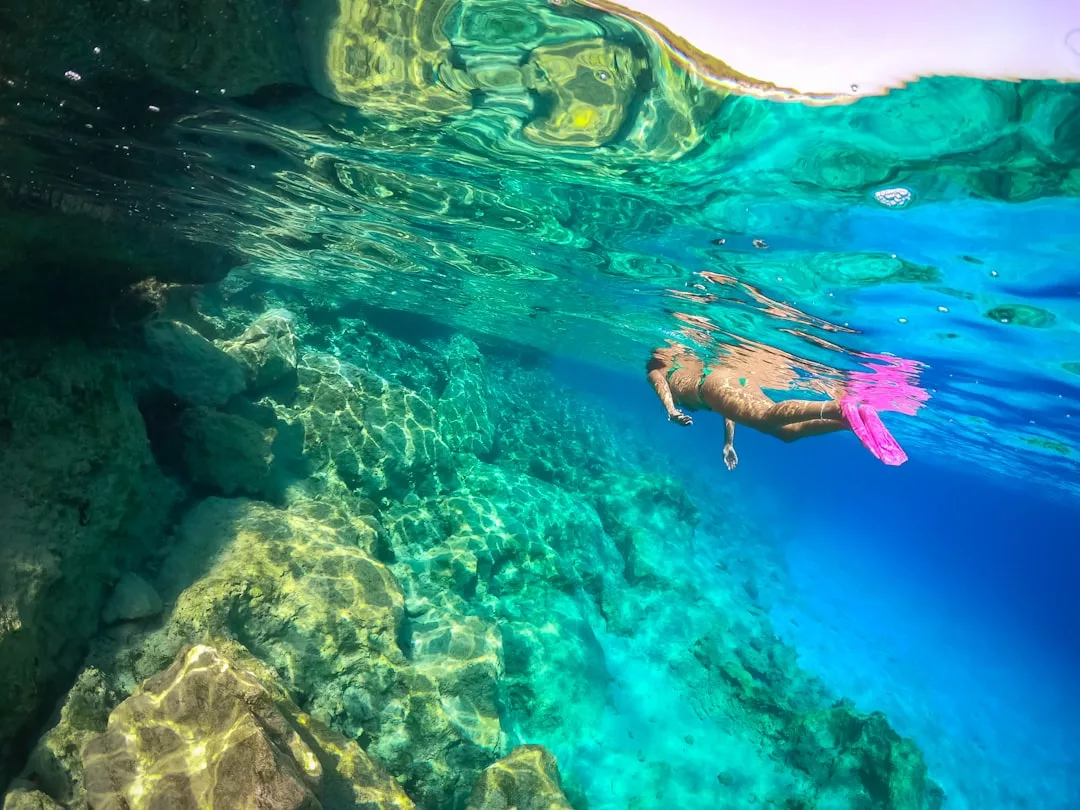
Cabrera, a small island located off the southeastern coast of Mallorca, Spain, is renowned for its stunning marine biodiversity. The waters surrounding Cabrera are part of the Cabrera Archipelago Maritime-Terrestrial National Park, which was established to protect the unique ecosystems found in this region. The park is home to a plethora of marine species, including vibrant coral reefs, schools of colorful fish, and even larger marine animals such as dolphins and sea turtles.
The clarity of the water, often exceeding visibility of 30 meters, allows snorkelers to fully appreciate the intricate details of this underwater paradise. The marine life in Cabrera is not only diverse but also remarkably well-preserved due to the strict conservation measures in place. The park’s regulations limit fishing and boating activities, creating a sanctuary for marine organisms to thrive.
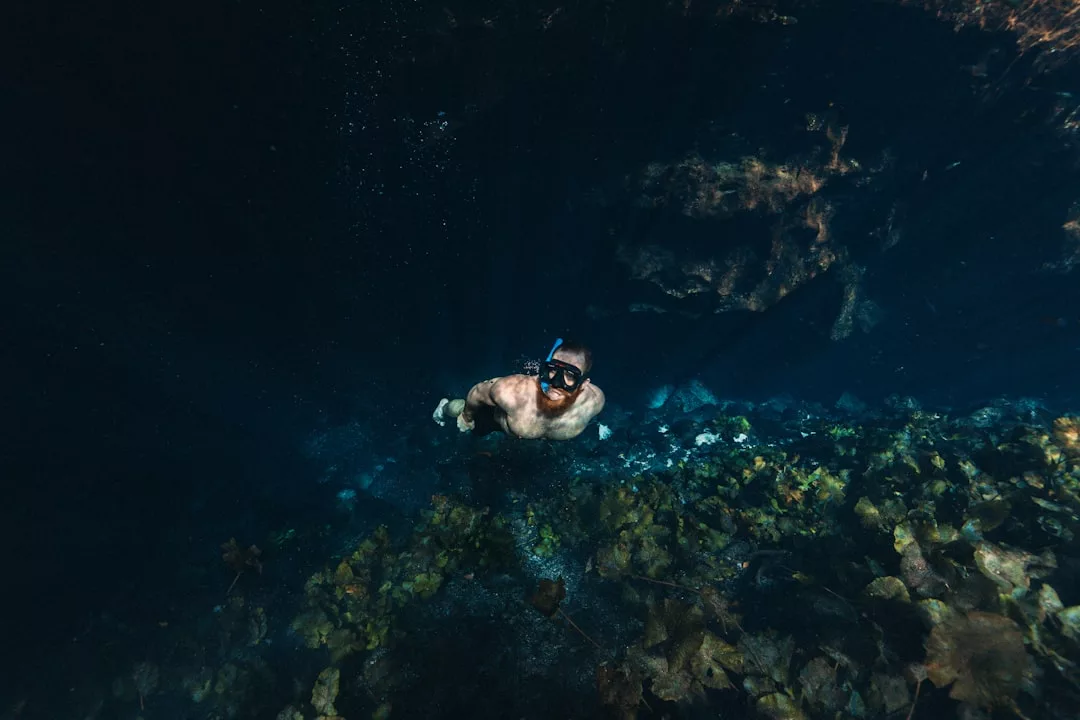
Snorkelers can expect to encounter a variety of species, from the playful parrotfish and the elusive octopus to the majestic barracuda. The underwater landscape is equally captivating, featuring underwater caves, rocky formations, and expansive seagrass meadows that provide habitat for countless organisms. This rich tapestry of life makes Cabrera a must-visit destination for anyone interested in exploring the wonders of the ocean.
Key Takeaways
- Cabrera’s marine life is incredibly diverse and beautiful, with a wide variety of colorful fish, coral reefs, and other fascinating creatures.
- A guided snorkel adventure in Cabrera offers the opportunity to explore the stunning underwater world with the help of experienced guides.
- Some of the best snorkel spots in Cabrera include the Blue Hole, La Entrada, and El Diamante, where you can encounter an abundance of marine life.
- Safety tips for snorkeling in Cabrera include staying close to your guide, wearing sunscreen, and being mindful of the marine environment.
- Conservation efforts are crucial for preserving Cabrera’s marine ecosystem, and joining a guided snorkel tour can help support these initiatives.
What to Expect on a Guided Snorkel Adventure
Embarking on a guided snorkel adventure in Cabrera is an experience that combines excitement with education. Participants can expect to be greeted by knowledgeable guides who are passionate about marine life and conservation. These guides typically begin the tour with a safety briefing and an overview of what to expect during the snorkeling excursion.
They will provide essential information about the local marine ecosystem, including the types of species that inhabit the waters and the importance of preserving their habitats. Once in the water, snorkelers will be led to some of the best spots for observing marine life. Guides often use their expertise to point out interesting creatures and explain their behaviors, enriching the experience with fascinating facts.
The atmosphere is usually relaxed and friendly, allowing participants to ask questions and engage with their surroundings. Many tours also include opportunities for swimming in secluded coves or exploring hidden underwater caves, adding an element of adventure to the experience. Overall, a guided snorkel adventure in Cabrera promises not only breathtaking views but also a deeper understanding of the delicate balance within marine ecosystems.
The Best Snorkel Spots in Cabrera
Cabrera boasts several prime snorkeling locations that cater to both novice and experienced snorkelers. One of the most popular spots is “La Cueva de la Virgen,” a stunning underwater cave that offers a unique snorkeling experience. The cave is adorned with colorful corals and is home to various fish species that dart in and out of the crevices.
The play of light filtering through the water creates an ethereal atmosphere, making it a favorite among photographers and nature enthusiasts alike. Another exceptional snorkeling site is “El Islote de la Cabrera,” a small rocky island that serves as a refuge for numerous marine species. The waters around this island are teeming with life, including schools of sardines and vibrant nudibranchs.
The rocky formations provide shelter for octopuses and moray eels, making it an exciting spot for those hoping to catch a glimpse of these elusive creatures. Additionally, “La Playa de la Calera” offers calm waters ideal for beginners, with shallow areas perfect for families looking to introduce children to snorkeling. Each of these locations showcases the incredible biodiversity that Cabrera has to offer, ensuring that every snorkeler leaves with unforgettable memories.
Safety Tips for Snorkeling in Cabrera
While snorkeling in Cabrera can be an exhilarating experience, it is essential to prioritize safety to ensure an enjoyable outing. One of the primary safety tips is to always snorkel with a buddy or as part of a guided tour.
Additionally, it is crucial to stay aware of one’s surroundings and be mindful of currents or changes in weather conditions that could affect visibility or safety. Another important aspect of snorkeling safety is proper equipment usage. Snorkelers should ensure that their masks fit well and do not leak, as this can lead to discomfort and hinder visibility.
Fins should be worn correctly to avoid cramping or fatigue during longer swims. It is also advisable to use reef-safe sunscreen to protect both the skin and the delicate marine environment. Lastly, understanding basic snorkeling techniques—such as how to clear water from a snorkel or how to equalize pressure—can significantly enhance safety and enjoyment while exploring Cabrera’s underwater world.
The Importance of Conservation in Cabrera’s Marine Ecosystem
The conservation of Cabrera’s marine ecosystem is vital not only for preserving its natural beauty but also for maintaining biodiversity and ecological balance. The waters surrounding Cabrera are home to numerous endangered species, including various types of sea turtles and endemic fish species that rely on healthy habitats for survival. Conservation efforts help protect these species from threats such as overfishing, pollution, and habitat destruction.
Moreover, Cabrera serves as an important research site for scientists studying marine ecosystems and their responses to climate change. Educational programs aimed at raising awareness about marine conservation are also crucial; they empower visitors and locals alike to take action in preserving Cabrera’s unique marine life for future generations.
Through collective efforts in conservation, Cabrera can continue to thrive as a sanctuary for its diverse marine inhabitants.
How to Choose the Right Guided Snorkel Tour for You
Personalized Experience with Smaller Groups
Smaller groups often provide a more personalized experience, allowing for greater interaction with guides who can tailor their insights based on individual interests.Choose Your Snorkeling Adventure
Additionally, consider what type of snorkeling experience you are seeking—whether you prefer leisurely exploration or more adventurous activities like cave snorkeling or night dives. Reading reviews from previous participants can also provide valuable insights into what you can expect from different tours.Supporting Environmental Conservation
Look for tours that emphasize environmental education and conservation practices; these will not only enrich your experience but also contribute positively to Cabrera’s marine ecosystem.
What Gear to Bring on a Guided Snorkel Adventure
While most guided snorkel tours provide essential gear such as masks, snorkels, and fins, there are several items you may want to bring along to enhance your experience. A well-fitting wetsuit can be beneficial for warmth and buoyancy, especially if you plan on spending extended periods in cooler waters. Additionally, bringing your own snorkel gear can ensure comfort and familiarity; many experienced snorkelers prefer using their own equipment for hygiene reasons.
It’s also wise to pack essentials such as a waterproof camera or GoPro for capturing underwater moments without risking damage to your devices. A rash guard or UV-protective clothing can help shield your skin from sun exposure while minimizing the use of sunscreen that could harm marine life. Don’t forget a reusable water bottle to stay hydrated throughout your adventure; many tours offer refreshments but having your own bottle reduces plastic waste.
The History and Culture of Cabrera
Cabrera has a rich history that dates back centuries, with evidence of human habitation as far back as prehistoric times. The island has served various purposes throughout its history—from a refuge for pirates in the 16th century to a military outpost during the Spanish Civil War. Today, remnants of these historical periods can still be seen in various structures scattered across the island, including old watchtowers and fortifications.
Culturally, Cabrera reflects a blend of influences from its past inhabitants, including fishermen who relied on its bountiful waters for sustenance. The local community has maintained traditions that celebrate both land and sea, often showcasing their heritage through festivals that highlight local cuisine and crafts. Visitors can immerse themselves in this culture by participating in local events or exploring traditional fishing villages nearby, gaining insight into how Cabrera’s history has shaped its present-day identity.
The Benefits of Joining a Guided Snorkel Adventure
Participating in a guided snorkel adventure offers numerous benefits that enhance both enjoyment and safety during your underwater exploration. One significant advantage is access to expert knowledge; guides are typically well-versed in local marine life and ecosystems, providing insights that enrich your understanding of what you’re seeing beneath the surface. This educational component transforms snorkeling from merely an activity into an immersive learning experience.
Moreover, guided tours often include logistical support such as transportation to prime snorkeling locations and provision of necessary equipment. This convenience allows participants to focus solely on enjoying their time in the water without worrying about planning or navigating unfamiliar areas. Additionally, joining a group fosters camaraderie among participants; sharing experiences with fellow snorkelers can lead to lasting friendships formed over shared adventures in one of nature’s most beautiful settings.

The Different Types of Marine Life You Can Expect to See
Cabrera’s waters are teeming with diverse marine life that captivates snorkelers from all walks of life. Among the most commonly spotted species are colorful reef fish such as damselfish, clownfish, and wrasse that flit among coral formations. These fish not only add vibrancy to the underwater landscape but also play crucial roles in maintaining healthy reef ecosystems by grazing on algae and providing food for larger predators.
In addition to smaller fish species, snorkelers may encounter larger inhabitants like barracudas and groupers lurking near rocky outcrops or hunting in open waters. For those lucky enough to venture into deeper areas or explore caves, sightings of octopuses or moray eels may occur—both known for their elusive nature yet fascinating behaviors when observed closely. Sea turtles are another highlight; these gentle giants often grace snorkelers with their presence as they glide gracefully through the water, embodying the serene beauty of Cabrera’s marine environment.
Tips for Capturing the Perfect Snorkeling Photos
Capturing stunning underwater photographs while snorkeling requires some preparation and technique to ensure you get the best shots possible. First and foremost, invest in quality waterproof camera gear or housing designed specifically for underwater photography; this will help protect your equipment while allowing you to capture vibrant images without distortion caused by water refraction. When taking photos underwater, consider lighting conditions carefully; natural light diminishes rapidly with depth, so aim for shallow areas where sunlight penetrates more effectively.
Additionally, try to get close to your subjects—underwater photography often benefits from reducing distance between you and your subject matter—to capture intricate details without losing clarity due to water movement or particles. Lastly, practice patience when photographing marine life; many creatures may be shy or skittish around divers or snorkelers. Take your time observing their behavior before attempting to snap photos; this approach not only increases your chances of getting great shots but also enhances your overall experience by allowing you to connect more deeply with the underwater world around you.