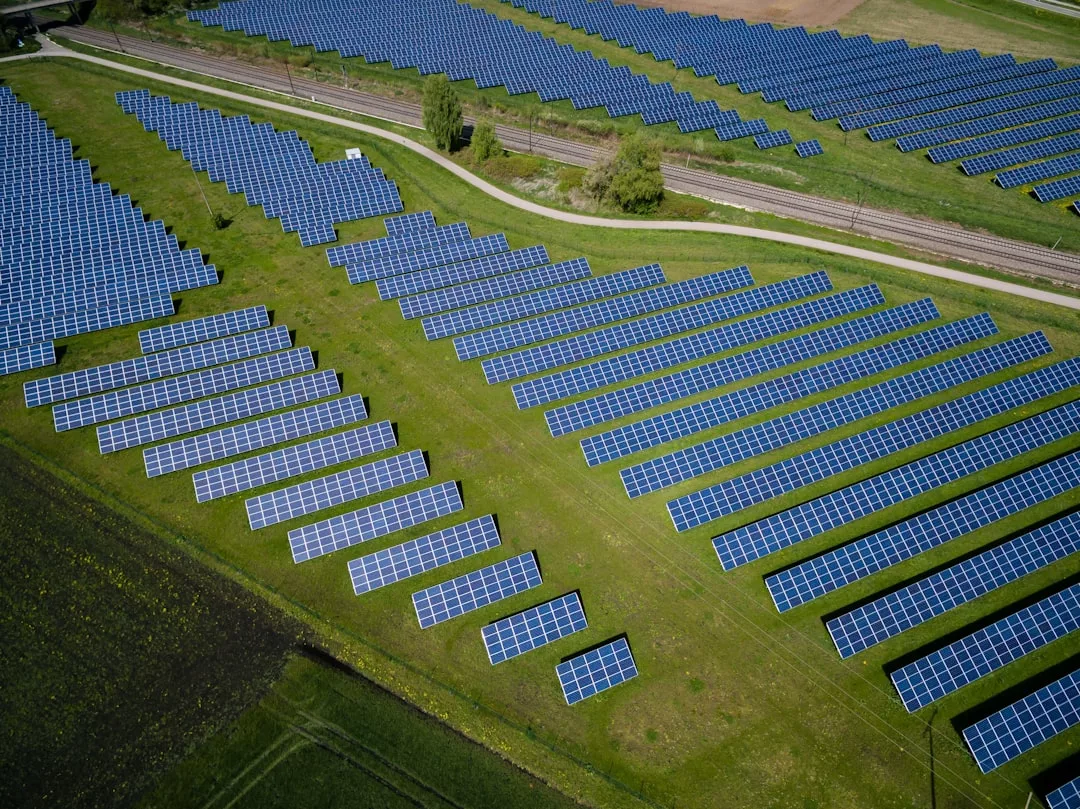
Green financing schemes for eco-properties in Mallorca
August 25, 2025
Green financing has emerged as a pivotal mechanism in the global effort to combat climate change and promote sustainable development. It encompasses a range of financial products and services that are specifically designed to support environmentally friendly projects and initiatives. The concept is rooted in the recognition that traditional financing methods often overlook the environmental impact of investments, leading to unsustainable practices that contribute to ecological degradation.
By contrast, green financing aims to channel funds into projects that not only yield economic returns but also foster environmental stewardship and social responsibility. In recent years, the urgency of addressing climate change has catalyzed a surge in green financing initiatives worldwide. This trend is particularly evident in regions like Mallorca, where the natural landscape and biodiversity are under threat from urbanization and tourism.
As stakeholders increasingly recognize the importance of sustainable practices, green financing has become a vital tool for promoting eco-friendly developments, particularly in the real estate sector. This article delves into the nuances of green financing, with a specific focus on eco-properties in Mallorca, exploring their benefits, available schemes, and the broader implications for sustainable development.
Key Takeaways
- Green financing is a type of financing that is specifically designed to support environmentally friendly projects and initiatives.
- Eco-properties in Mallorca are real estate properties that are designed and built with a focus on sustainability and environmental impact.
- Green financing offers benefits such as lower interest rates, longer loan terms, and access to special incentives for eco-property owners.
- There are various types of green financing schemes available in Mallorca, including green mortgages, energy efficiency loans, and green building certifications.
- To qualify for green financing, eco-property owners must meet certain criteria such as energy efficiency standards, sustainable building materials, and environmental impact assessments.
Understanding Eco-Properties in Mallorca
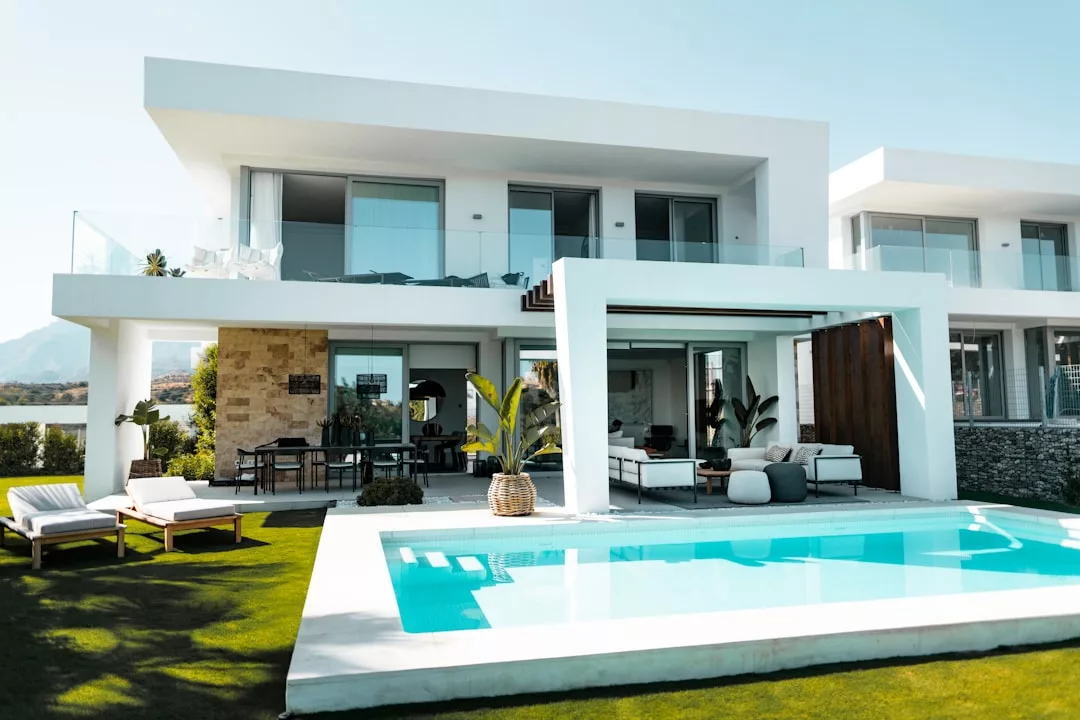
Eco-properties in Mallorca represent a growing segment of the real estate market that prioritizes sustainability and environmental responsibility. These properties are designed with a focus on minimizing their ecological footprint while maximizing energy efficiency and resource conservation. Features commonly found in eco-properties include solar panels, rainwater harvesting systems, energy-efficient appliances, and sustainable building materials.
The design philosophy often extends beyond mere aesthetics; it encompasses a holistic approach to living harmoniously with the natural environment. The allure of eco-properties in Mallorca is not solely rooted in their environmental benefits; they also offer significant advantages for homeowners and investors alike. With an increasing number of buyers seeking properties that align with their values, eco-properties can command higher market prices and attract a niche clientele.
Furthermore, as awareness of climate change grows, properties that incorporate sustainable features are likely to appreciate in value over time. This trend is particularly relevant in Mallorca, where the island’s unique ecosystem and natural beauty are key selling points for real estate.
Benefits of Green Financing for Eco-Properties
Green financing provides a multitude of benefits for eco-properties, making it an attractive option for developers and investors. One of the most significant advantages is access to lower interest rates and favorable loan terms. Financial institutions are increasingly offering green loans with reduced rates to incentivize investments in sustainable projects.
This can lead to substantial savings over the life of a mortgage or loan, making it more feasible for developers to incorporate eco-friendly features into their properties. Additionally, green financing often comes with various incentives that can further enhance the financial viability of eco-properties. For instance, some lenders may provide grants or subsidies for energy-efficient upgrades or renewable energy installations. Moreover, properties financed through green schemes may benefit from increased marketability, as consumers are increasingly drawn to environmentally responsible options.
Types of Green Financing Schemes Available in Mallorca
In Mallorca, several types of green financing schemes are available to support eco-properties. One prominent option is green mortgages, which are specifically designed for properties that meet certain sustainability criteria. These mortgages typically offer lower interest rates and more flexible repayment terms compared to traditional loans.
They are often linked to energy performance certificates, which assess a property’s energy efficiency and environmental impact. Another avenue for green financing is through government-backed programs that promote sustainable development. In Mallorca, local authorities may offer financial assistance or incentives for projects that align with environmental goals.
This can include grants for renewable energy installations or subsidies for energy-efficient renovations. Additionally, private investors and venture capital firms are increasingly interested in funding eco-friendly projects, providing another layer of financial support for developers looking to create sustainable properties.
Criteria for Qualifying for Green Financing
Qualifying for green financing typically involves meeting specific criteria that demonstrate a commitment to sustainability and environmental responsibility. In Mallorca, these criteria may include obtaining an energy performance certificate that verifies the property’s energy efficiency rating. Properties that achieve higher ratings are more likely to qualify for favorable financing terms, as they are deemed less risky from an environmental perspective.
Furthermore, developers may need to provide detailed plans outlining how their projects will incorporate sustainable practices. This could involve using renewable materials, implementing energy-efficient technologies, or designing landscapes that promote biodiversity. Financial institutions often require documentation that illustrates the potential environmental impact of the project, ensuring that funds are allocated to initiatives that genuinely contribute to sustainability goals.
Case Studies of Successful Eco-Properties in Mallorca
Several successful eco-properties in Mallorca serve as exemplary models of how green financing can facilitate sustainable development. One notable case is a luxury villa located in the Tramuntana mountain range that was constructed using locally sourced materials and designed to blend seamlessly with its natural surroundings. The property features solar panels, rainwater collection systems, and energy-efficient appliances, all financed through a green mortgage that allowed the developer to minimize upfront costs while maximizing sustainability.
Another compelling example is a residential complex in Palma that incorporates green roofs and communal gardens designed to enhance biodiversity. The project received funding through a combination of private investment and government grants aimed at promoting sustainable urban development. By prioritizing eco-friendly features and community engagement, this complex not only provides residents with a high quality of life but also contributes positively to the local environment.
The Role of Financial Institutions in Green Financing
Financial institutions play a crucial role in facilitating green financing by providing the necessary capital and expertise to support eco-friendly projects. Banks and lending organizations are increasingly recognizing the importance of sustainability in their investment portfolios and are developing specialized products tailored to meet the needs of environmentally conscious developers and homeowners. This shift is driven by both regulatory pressures and a growing awareness of the financial risks associated with climate change.
In Mallorca, local banks have begun offering green loans that cater specifically to eco-properties, often collaborating with environmental organizations to establish criteria for eligibility. These institutions not only provide funding but also offer guidance on best practices for sustainable development. By fostering partnerships with developers and local governments, financial institutions can help create a robust ecosystem that supports green initiatives while ensuring financial returns.
Government Incentives for Eco-Properties in Mallorca
The government plays an essential role in promoting green financing through various incentives aimed at encouraging sustainable development in Mallorca. These incentives can take many forms, including tax breaks, grants, and subsidies for renewable energy installations or energy-efficient renovations. By reducing the financial burden on developers and homeowners, these programs make it more feasible to invest in eco-friendly properties.
For instance, the Balearic government has implemented initiatives aimed at increasing energy efficiency across residential and commercial buildings. These programs often include financial assistance for retrofitting existing structures with modern energy-saving technologies or constructing new buildings that adhere to strict sustainability standards. Such government support not only enhances the attractiveness of eco-properties but also aligns with broader environmental goals set forth by regional and national policies.
Challenges and Barriers to Green Financing for Eco-Properties
Despite the growing interest in green financing, several challenges and barriers persist that can hinder its widespread adoption in Mallorca. One significant obstacle is the lack of awareness among developers and homeowners regarding available financing options and incentives. Many potential investors may not fully understand the benefits of green financing or how to navigate the application process, leading to missed opportunities for funding.
Additionally, there may be concerns about the upfront costs associated with implementing sustainable features in properties. While green financing can alleviate some of these costs through favorable loan terms or grants, the initial investment required for renewable energy systems or energy-efficient upgrades can still be daunting for many developers. This financial hesitance can slow down the transition toward more sustainable real estate practices.

Tips for Securing Green Financing for Eco-Properties in Mallorca
For developers and homeowners looking to secure green financing for eco-properties in Mallorca, several strategies can enhance their chances of success. First and foremost, it is essential to conduct thorough research on available financing options and government incentives specific to the region. Understanding the criteria for eligibility and preparing comprehensive documentation can streamline the application process.
Engaging with financial institutions early in the planning stages can also be beneficial. By discussing project goals and sustainability plans with lenders, developers can gain insights into what types of financing products may be available and how best to position their projects for approval. Additionally, collaborating with architects or consultants who specialize in sustainable design can help ensure that properties meet necessary criteria while maximizing their environmental impact.
Future Trends in Green Financing for Eco-Properties
As awareness of climate change continues to grow, future trends in green financing are likely to evolve significantly. One emerging trend is the increasing integration of technology into green financing solutions. Digital platforms that facilitate crowdfunding or peer-to-peer lending specifically for eco-projects are gaining traction, allowing individuals and organizations to invest directly in sustainable initiatives.
Moreover, as regulatory frameworks become more stringent regarding environmental standards, financial institutions may develop more sophisticated assessment tools to evaluate the sustainability of projects seeking funding. This could lead to more tailored financing products that cater specifically to different types of eco-properties or innovative technologies aimed at reducing carbon footprints. In conclusion, as Mallorca continues to navigate its path toward sustainability amidst growing environmental concerns, green financing will play an integral role in shaping its real estate landscape.
By fostering collaboration among stakeholders—developers, financial institutions, government entities, and consumers—the island can pave the way for a more sustainable future where eco-properties thrive alongside its rich natural heritage.