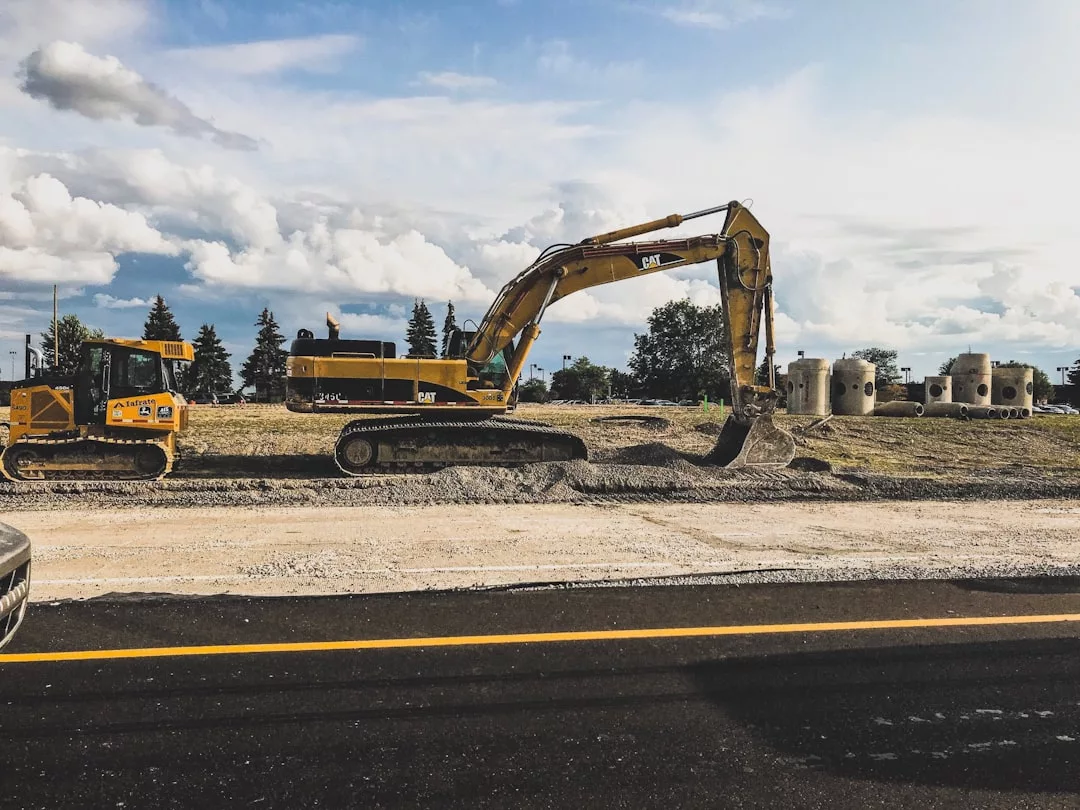
Buying a pre-construction apartment in Palma: steps to follow
July 26, 2025
Before embarking on the journey of purchasing a new home, it is imperative to conduct thorough market research. Understanding the local real estate landscape can provide invaluable insights into pricing trends, neighborhood dynamics, and the availability of properties that meet your criteria. Start by analyzing recent sales data in your desired area.
Websites like Zillow, Realtor.com, and local real estate listings can offer a wealth of information regarding comparable properties, average days on the market, and price fluctuations over time. This data will not only help you gauge whether a property is fairly priced but also assist in identifying emerging neighborhoods that may offer better value. In addition to online resources, engaging with local real estate agents can enhance your understanding of the market.
These professionals possess firsthand knowledge of the area and can provide insights that are not readily available through online platforms. They can inform you about upcoming developments, zoning changes, and community plans that could affect property values.
Key Takeaways
- Research the market to understand the current trends and prices in the area you are interested in.
- Set a budget that includes not only the cost of the property, but also additional expenses such as taxes and maintenance.
- Choose a reputable developer with a proven track record and positive reviews from previous clients.
- Understand the payment schedule and make sure it aligns with your financial capabilities.
- Review the contract carefully and seek legal advice to ensure all terms and conditions are favorable to you.
Set a Budget
Establishing a budget is a critical step in the home-buying process. It is essential to determine not only how much you can afford to spend on a property but also to consider additional costs associated with homeownership. Begin by evaluating your financial situation, including your income, savings, and existing debts.
A common guideline is that your monthly housing costs should not exceed 28% of your gross monthly income. This includes mortgage payments, property taxes, homeowners insurance, and any homeowners association (HOA) fees. Once you have a clear understanding of your financial capacity, it is wise to get pre-approved for a mortgage.
This process involves a lender reviewing your financial history and determining how much they are willing to lend you. Pre-approval not only gives you a realistic budget but also strengthens your position when making an offer on a property. Additionally, consider setting aside funds for unexpected expenses that may arise during the home-buying process, such as repairs or closing costs, which can add up quickly.
Choose a Reputable Developer
Selecting a reputable developer is crucial when purchasing a new construction home. The quality of construction and the reliability of the builder can significantly impact your overall satisfaction with the property. Start by researching potential developers in your area.
Look for those with a solid track record of successful projects and positive customer reviews. Websites like the Better Business Bureau (BBB) can provide insights into any complaints or issues associated with specific builders. Visiting completed projects by the developer can also be beneficial.
This allows you to assess the quality of their work firsthand and speak with current homeowners about their experiences. Inquire about warranties offered by the developer; reputable builders typically provide warranties that cover structural defects and other issues for several years after purchase. Additionally, consider checking if the developer is affiliated with any professional organizations, such as the National Association of Home Builders (NAHB), which can be an indicator of their commitment to quality and industry standards.

Understand the Payment Schedule
Understanding the payment schedule is essential when purchasing a new construction home. Unlike traditional home purchases where payment is typically made in one lump sum at closing, new construction often involves multiple payments throughout the building process. Familiarize yourself with the standard payment structure, which usually includes an initial deposit followed by progress payments at various stages of construction.
It is important to clarify what milestones trigger these payments. For instance, payments may be due upon completion of the foundation, framing, or final inspection. Knowing when these payments are expected can help you manage your finances effectively and avoid any surprises down the line.
Additionally, ensure that you have a clear understanding of what happens if there are delays in construction; some contracts may allow for adjustments in payment schedules based on project timelines.
Review the Contract
A thorough review of the contract is one of the most critical steps in the home-buying process, particularly for new construction homes. The contract should outline all terms and conditions related to the purchase, including specifications for materials, timelines for completion, and warranties provided by the builder. Pay close attention to clauses that pertain to changes or upgrades; many builders allow buyers to customize certain aspects of their homes but may have specific procedures for doing so.
It is advisable to consult with a real estate attorney or an experienced agent when reviewing the contract. They can help identify any ambiguous language or unfavorable terms that could pose risks in the future. Additionally, ensure that there are provisions for handling disputes or delays in construction; having clear guidelines in place can save you from potential headaches later on.
Consider the Location
The location of your new home plays a pivotal role in its long-term value and your overall satisfaction as a homeowner. When evaluating potential neighborhoods, consider factors such as proximity to work, schools, shopping centers, and recreational facilities. A well-located home can enhance your quality of life and make daily commutes more manageable.
Moreover, research local amenities and community features that may influence your decision. For instance, neighborhoods with parks, walking trails, and community centers often foster a sense of community and provide opportunities for social interaction. Additionally, consider future developments in the area; upcoming infrastructure projects or commercial developments can significantly impact property values over time.
Engaging with local residents and visiting the area at different times of day can also provide insights into what living there might be like.

Understand the Timeline
Understanding the timeline for construction is crucial when purchasing a new home. The duration from groundbreaking to move-in can vary significantly based on several factors, including the complexity of the design, weather conditions, and availability of materials and labor. Typically, new construction homes take anywhere from six months to over a year to complete.
It is essential to communicate with your builder about their estimated timeline and any potential delays that may arise during construction. Regular updates from the builder can help you stay informed about progress and any changes to the schedule. Additionally, consider how this timeline aligns with your personal circumstances; if you have specific deadlines for moving or selling your current home, factor these into your planning.
Get Legal Advice
Engaging legal counsel during the home-buying process can provide peace of mind and protect your interests. A real estate attorney can help navigate complex legal documents and ensure that all aspects of the transaction comply with local laws and regulations. They can also assist in reviewing contracts and identifying any potential issues that may arise during negotiations.
Furthermore, legal advice is particularly important when dealing with new construction homes due to the intricacies involved in contracts and warranties. An attorney can clarify your rights as a buyer and ensure that you are adequately protected against any potential disputes with the builder. Having legal representation can also be beneficial if issues arise after closing; knowing your rights and options can help you address concerns effectively.
Plan for Additional Costs
When budgeting for a new home, it is essential to account for additional costs beyond just the purchase price. These expenses can include closing costs, which typically range from 2% to 5% of the home’s purchase price and cover fees such as title insurance, appraisal fees, and attorney fees. Additionally, consider costs associated with moving, such as hiring movers or renting a truck.
Homeownership also comes with ongoing expenses that should be factored into your budget. Property taxes, homeowners insurance, maintenance costs, and utility bills are all part of owning a home. It is wise to set aside funds for unexpected repairs or upgrades that may arise after moving in; having an emergency fund dedicated to home-related expenses can alleviate financial stress in the long run.

Stay Informed about the Construction Progress
Staying informed about the construction progress is vital for ensuring that your new home meets your expectations and is completed on schedule. Regular communication with your builder can provide updates on milestones achieved and any challenges encountered during construction. Many builders offer online portals where buyers can track progress through photos and updates.
Additionally, consider scheduling regular site visits during key phases of construction. This allows you to see firsthand how work is progressing and address any concerns early on. Engaging with subcontractors or site managers during these visits can also provide insights into quality control measures being implemented throughout the building process.
Prepare for Closing and Move-In
As you approach closing day, it is essential to prepare thoroughly for both the closing process and your eventual move-in. Review all closing documents carefully before signing; ensure that all terms align with what was agreed upon during negotiations. It may be beneficial to have your attorney present during closing to address any last-minute questions or concerns.
Once closing is complete, focus on planning your move-in logistics. Create a checklist of tasks to complete before moving day, such as setting up utilities, changing addresses, and scheduling movers. Consider taking measurements of rooms in advance to plan furniture placement effectively; this will help streamline your move-in process and ensure that everything fits as intended.
By following these steps diligently throughout your home-buying journey, you will be better equipped to navigate the complexities of purchasing a new construction home while minimizing potential pitfalls along the way.