Farm-to-table dining at eco-chic restaurants in Binissalem
July 19, 2025
Nestled in the heart of Mallorca, Binissalem is a picturesque town renowned for its rich agricultural heritage and vibrant culinary scene. The farm-to-table dining movement has taken root here, transforming the way locals and visitors experience food. This approach emphasizes the importance of sourcing ingredients directly from local farms, ensuring that meals are not only fresh but also reflective of the region’s unique flavors and traditions.
In Binissalem, this movement is not merely a trend; it is a celebration of the land, the community, and the artistry of cooking. The farm-to-table philosophy in Binissalem is deeply intertwined with the town’s identity. With its fertile soil and favorable climate, the region produces a variety of fruits, vegetables, and herbs that are integral to the local cuisine.
Restaurants in Binissalem have embraced this ethos, forging partnerships with nearby farmers and producers to create menus that highlight seasonal ingredients. This commitment to local sourcing not only enhances the dining experience but also fosters a sense of community and sustainability that resonates throughout the town.
Key Takeaways
- Binissalem’s farm-to-table dining scene offers a unique and sustainable approach to enjoying local cuisine.
- The eco-chic restaurant trend in Binissalem reflects a growing emphasis on environmentally friendly dining experiences.
- Exploring the local farms and producers in Binissalem provides a deeper understanding of the region’s agricultural heritage.
- Sustainability is a key focus in Binissalem’s dining culture, with a strong emphasis on supporting local, organic, and seasonal ingredients.
- The farm-fresh ingredients in Binissalem offer unique flavors that showcase the region’s rich culinary heritage.
The Eco-Chic Restaurant Trend in Binissalem
In recent years, Binissalem has witnessed a surge in eco-chic restaurants that embody the principles of sustainability and style. These establishments are characterized by their commitment to environmentally friendly practices, from sourcing organic ingredients to implementing waste-reduction strategies. The aesthetic appeal of these restaurants often mirrors their culinary philosophy, featuring rustic decor that pays homage to the region’s agricultural roots while providing a modern dining experience.
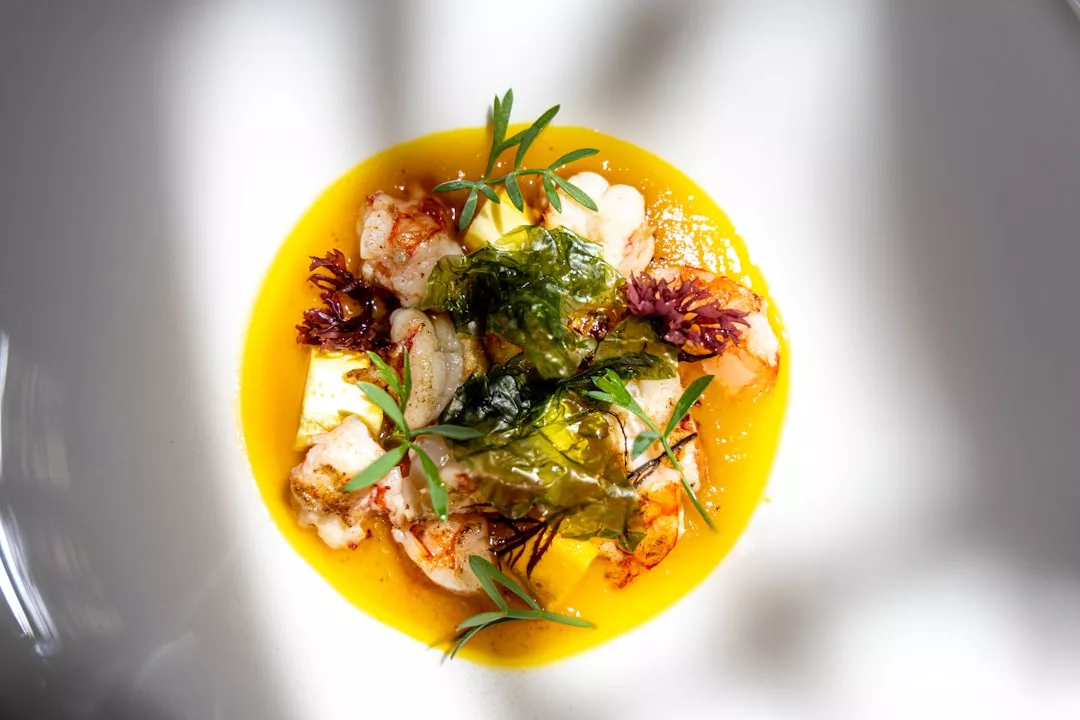
One notable example is a restaurant that has transformed an old farmhouse into a chic dining space, complete with reclaimed wood furnishings and an open kitchen that allows diners to witness the culinary process firsthand. Diners can enjoy dishes like roasted heirloom tomatoes drizzled with local olive oil or a vibrant salad featuring greens harvested just hours before service.
This blend of sustainability and style not only attracts food enthusiasts but also raises awareness about the importance of supporting local agriculture.
Exploring the Local Farms and Producers in Binissalem
The success of Binissalem’s farm-to-table dining scene is largely attributed to its rich network of local farms and producers. These farms cultivate everything from fruits and vegetables to herbs and artisanal cheeses, providing restaurants with a steady supply of fresh ingredients.
Visiting these farms offers a unique opportunity to connect with the land and understand the labor that goes into producing high-quality food. For instance, one can explore a vineyard that specializes in organic grape cultivation, where the owners passionately share their sustainable farming practices and the intricacies of winemaking. Another farm might focus on heirloom varieties of vegetables, showcasing their commitment to biodiversity and flavor.
Such experiences not only enrich the dining experience but also foster a deeper appreciation for the food on one’s plate.
The Importance of Sustainability in Binissalem’s Dining Culture
Sustainability is at the core of Binissalem’s dining culture, influencing everything from ingredient sourcing to waste management practices. Restaurants are increasingly aware of their environmental impact and are taking steps to minimize it. This includes sourcing ingredients from local farms that practice sustainable agriculture, thereby reducing carbon footprints associated with transportation and supporting the local economy.
Moreover, many establishments are adopting zero-waste philosophies, creatively repurposing food scraps into new dishes or composting organic waste. For example, a restaurant might use vegetable peels to make stocks or transform stale bread into croutons for salads. These practices not only contribute to environmental sustainability but also inspire diners to think critically about their own consumption habits.
By prioritizing sustainability, Binissalem’s dining scene sets an example for other regions looking to embrace similar values.

The Unique Flavors of Binissalem’s Farm-Fresh Ingredients
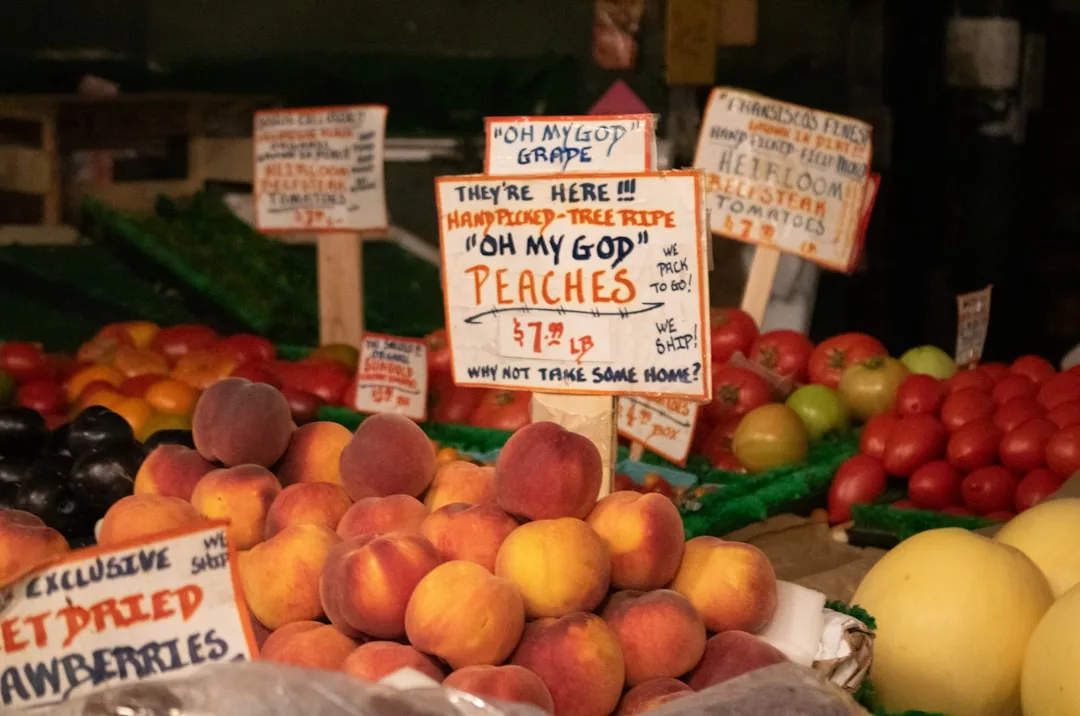
The flavors found in Binissalem’s farm-fresh ingredients are a testament to the region’s agricultural diversity and commitment to quality. The Mediterranean climate allows for an abundance of produce, including sun-ripened tomatoes, fragrant herbs, and vibrant peppers. These ingredients are often featured prominently in local dishes, showcasing their natural flavors without excessive embellishment.
For instance, a simple dish of grilled vegetables drizzled with local olive oil can be elevated by using heirloom varieties that burst with flavor. Similarly, fresh herbs like basil and thyme can transform a basic pasta dish into a culinary delight. The emphasis on freshness means that chefs in Binissalem are constantly experimenting with seasonal ingredients, creating menus that reflect the changing landscape and inspire diners to savor each bite.
The Role of Traditional Cuisine in Binissalem’s Farm-to-Table Movement
Preserving Tradition, Embracing Innovation
Traditional Mallorcan cuisine plays a significant role in shaping Binissalem’s farm-to-table movement. Many restaurants draw inspiration from age-old recipes that highlight local ingredients while incorporating modern techniques and presentations. This fusion of tradition and innovation allows chefs to honor their culinary heritage while appealing to contemporary palates.Reimagining Classic Dishes
Dishes such as “tumbet,” a vegetable casserole made with layers of eggplant, potatoes, and bell peppers, exemplify how traditional recipes can be reimagined using fresh produce sourced from local farms. Chefs may add their own twist by incorporating seasonal herbs or serving it alongside locally produced cheeses.A Deeper Connection to the Food
This respect for tradition not only preserves cultural identity but also enriches the dining experience by connecting diners with the history and stories behind each dish.The Influence of Binissalem’s Wine Culture on Farm-to-Table Dining
Binissalem is renowned for its wine production, particularly its red wines made from indigenous grape varieties such as Manto Negro and Callet. The town’s vineyards contribute significantly to its culinary landscape, as many restaurants feature local wines on their menus, creating harmonious pairings with farm-fresh dishes. This relationship between wine and food enhances the overall dining experience, allowing guests to explore the unique terroir of Binissalem through both their meals and beverages.
Wine tastings at local wineries often accompany farm-to-table dinners, where guests can sample various vintages alongside dishes crafted from locally sourced ingredients. For example, a robust red wine might be paired with a hearty lamb dish seasoned with herbs from nearby gardens, highlighting how both elements complement each other beautifully. This synergy between wine culture and farm-to-table dining not only elevates meals but also fosters a deeper appreciation for the region’s agricultural bounty.

The Impact of Farm-to-Table Dining on the Environment in Binissalem
The farm-to-table movement in Binissalem has far-reaching implications for environmental sustainability. By prioritizing local sourcing, restaurants significantly reduce their carbon footprints associated with food transportation. This shift not only benefits the environment but also supports local farmers who practice sustainable agriculture methods.
Additionally, many restaurants are implementing eco-friendly practices such as composting organic waste and using biodegradable packaging for takeout orders. These initiatives contribute to reducing landfill waste and promoting responsible consumption among diners. As more establishments adopt these practices, they create a ripple effect within the community, encouraging consumers to make environmentally conscious choices in their own lives.
The Farm-to-Table Experience: Dining at Eco-Chic Restaurants in Binissalem
Dining at eco-chic restaurants in Binissalem offers an immersive experience that goes beyond just enjoying a meal; it is an opportunity to engage with the principles of sustainability firsthand. Many establishments provide tours of their gardens or farms before dinner service, allowing guests to see where their food comes from and meet the farmers who cultivate it. The ambiance in these restaurants often reflects their commitment to sustainability, featuring natural materials and decor that evoke a sense of connection to nature.
Diners can savor dishes crafted from seasonal ingredients while enjoying views of lush landscapes or gardens where some of their food was grown. This holistic approach creates a memorable dining experience that resonates with those who value both culinary excellence and environmental responsibility.
Supporting Local Communities: The Social Benefits of Farm-to-Table Dining in Binissalem
The farm-to-table movement in Binissalem extends beyond environmental sustainability; it also plays a crucial role in supporting local communities. By prioritizing local sourcing, restaurants contribute directly to the livelihoods of farmers and producers in the area. This economic support helps sustain small-scale agriculture and preserves traditional farming practices that might otherwise be lost.
Moreover, farm-to-table dining fosters community connections by bringing people together around shared values of sustainability and quality food. Events such as farmers’ markets or community dinners allow residents to engage with one another while celebrating local produce and culinary talent. These gatherings strengthen social ties within the community and promote a sense of pride in local heritage.

Embracing the Farm-to-Table Movement in Binissalem
The farm-to-table movement in Binissalem represents more than just a culinary trend; it embodies a lifestyle rooted in sustainability, community engagement, and respect for local traditions. As restaurants continue to embrace this philosophy, they not only elevate the dining experience but also contribute positively to the environment and local economy. Through innovative menus that highlight seasonal ingredients and collaborations with local farmers, Binissalem is carving out a niche as a destination for those seeking authentic flavors and meaningful connections with their food.
Embracing this movement allows both residents and visitors to partake in a culinary journey that celebrates the richness of Mallorca’s agricultural heritage while paving the way for a more sustainable future.