Modern fusion menus at hot-spot restaurants in Port d’Andratx
June 29, 2025
Port d’Andratx, a picturesque harbor town located on the southwestern coast of Mallorca, has become a culinary hotspot that reflects the rich tapestry of cultures and flavors that define the Mediterranean region. The town’s vibrant dining scene is characterized by an innovative approach to cuisine, where traditional recipes are reimagined through the lens of global influences. Fusion cuisine, in particular, has taken root in Port d’Andratx, offering diners a unique gastronomic experience that marries local ingredients with international culinary techniques.
This blending of flavors not only showcases the creativity of chefs but also highlights the diverse cultural heritage that has shaped the region. The rise of fusion cuisine in Port d’Andratx can be attributed to several factors, including the influx of international tourists and the growing interest in culinary experimentation among local chefs. As visitors from around the world flock to this charming destination, they bring with them their own culinary preferences and expectations.
In response, restaurants have begun to embrace a more eclectic approach to their menus, incorporating elements from various culinary traditions while still honoring the essence of Mediterranean cooking. This dynamic interplay between local and global flavors has resulted in a vibrant food scene that continues to evolve and captivate both residents and visitors alike.
Key Takeaways
- Fusion cuisine in Port d’Andratx combines traditional Spanish dishes with international flavors, creating a unique culinary experience.
- Mediterranean flavors heavily influence fusion menus in Port d’Andratx, with an emphasis on fresh, local ingredients and bold, vibrant flavors.
- Asian ingredients and cooking techniques play a significant role in modern fusion dishes, adding depth and complexity to the flavor profiles.
- Local, fresh seafood is a staple in fusion cuisine in Port d’Andratx, showcasing the region’s bountiful marine resources and adding a unique twist to traditional dishes.
- Innovative cooking techniques, seasonal and locally-sourced ingredients, and the fusion of different culinary traditions and cooking styles all contribute to the evolution of fusion cuisine in Port d’Andratx and beyond.
The influence of Mediterranean flavors on fusion menus
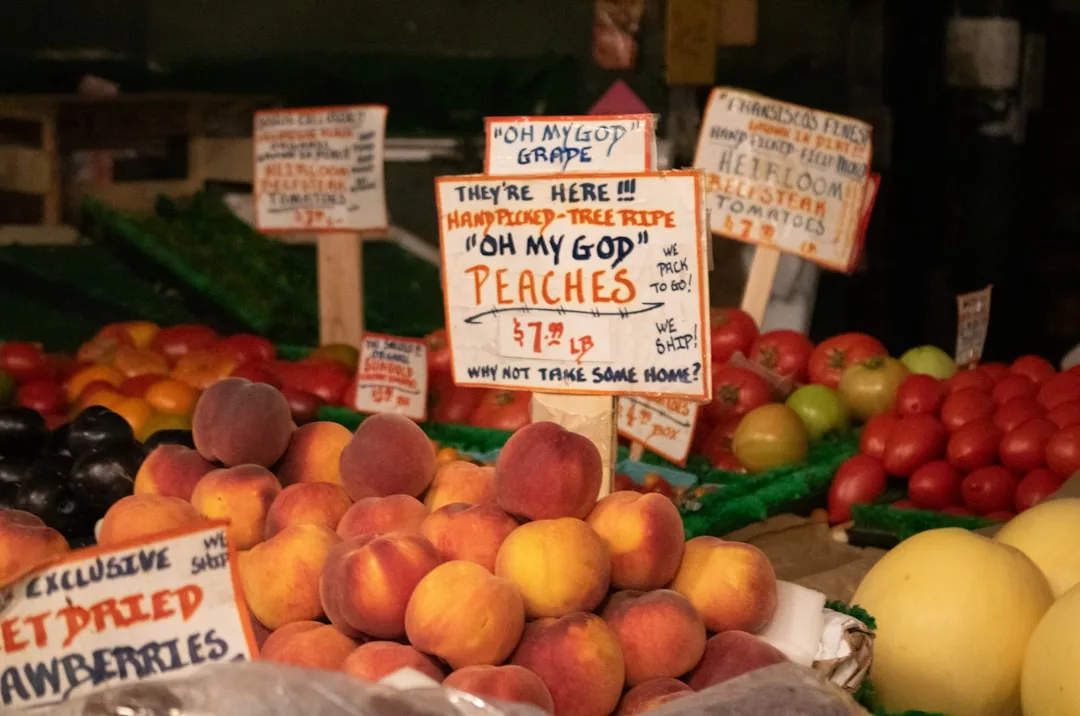
Mediterranean cuisine serves as a foundational element in many fusion dishes found in Port d’Andratx. The region’s abundant produce, aromatic herbs, and high-quality olive oil create a rich palette for chefs to draw upon. Ingredients such as tomatoes, eggplants, olives, and citrus fruits are staples that not only provide depth of flavor but also reflect the agricultural bounty of the surrounding landscape.
These elements are often combined with influences from other culinary traditions, resulting in dishes that are both familiar and innovative. For instance, a popular dish might feature grilled octopus marinated in a blend of traditional Mediterranean spices, then served alongside a Thai-inspired coconut curry sauce. This combination highlights the versatility of Mediterranean ingredients while introducing new flavor profiles that excite the palate.
The use of fresh herbs like basil and mint, commonly found in Mediterranean cooking, can also enhance Asian-inspired dishes, creating a harmonious balance that pays homage to both culinary worlds. Such creative fusions not only celebrate the local terroir but also invite diners to explore new taste experiences.
The incorporation of Asian ingredients and techniques in modern fusion dishes
The integration of Asian ingredients and cooking techniques into the culinary landscape of Port d’Andratx has become increasingly prevalent as chefs seek to push the boundaries of traditional Mediterranean fare. Ingredients such as miso, soy sauce, and sesame oil are now making appearances on menus alongside classic Spanish staples. This cross-pollination of flavors allows for a unique exploration of taste that resonates with both locals and tourists.
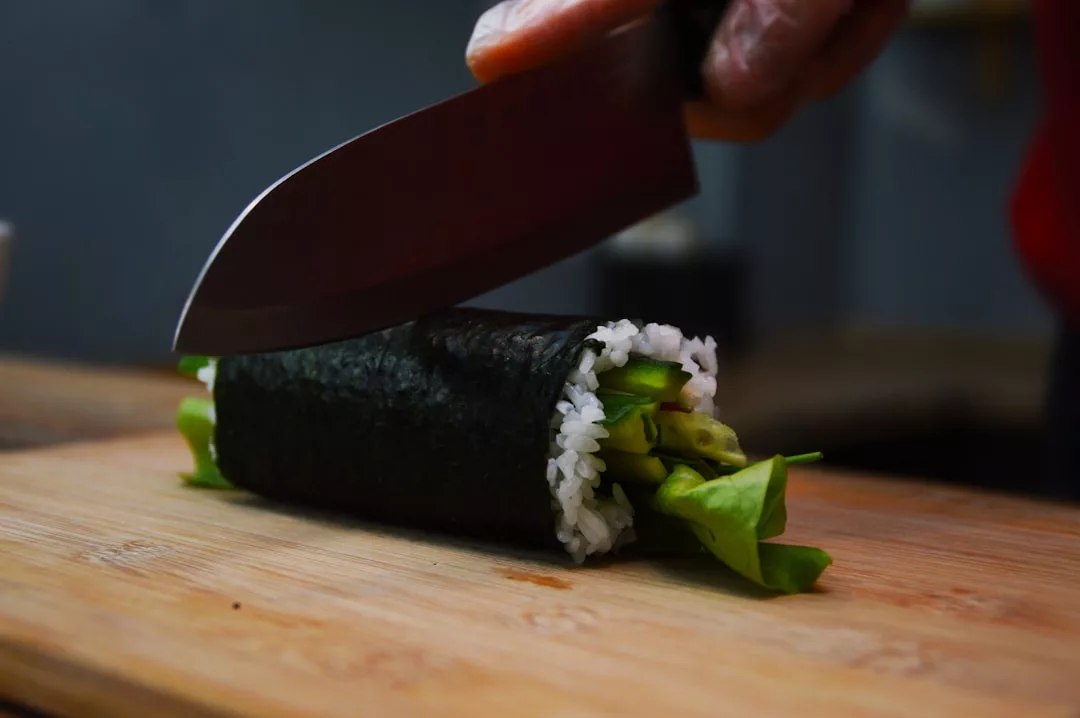
One notable example is the use of sushi rice as a base for Mediterranean-inspired poke bowls. Chefs may layer fresh seafood caught off the coast of Mallorca with vibrant vegetables and a drizzle of tangy ponzu sauce, creating a dish that is both visually stunning and packed with flavor.
By pickling local vegetables like radishes or cucumbers, chefs can introduce an unexpected tanginess that complements the freshness of their dishes. This innovative approach not only showcases the versatility of ingredients but also reflects a growing appreciation for global culinary practices.

The use of local, fresh seafood in fusion cuisine
Port d’Andratx is renowned for its access to some of the freshest seafood in the Mediterranean, making it an ideal location for chefs to incorporate local catches into their fusion creations. The town’s fishing tradition provides an abundance of options, from succulent prawns and tender squid to flavorful fish like dorada and lubina. These ingredients serve as a canvas for culinary experimentation, allowing chefs to create dishes that highlight both the quality of the seafood and the creativity of their cooking.
A prime example can be seen in dishes that combine traditional Spanish seafood preparations with Asian flavors. A chef might prepare grilled sardines marinated in a spicy gochujang sauce, served atop a bed of saffron-infused rice. This dish not only celebrates the local catch but also introduces an exciting twist that elevates it beyond conventional preparations.
Additionally, seafood tacos featuring fresh fish and topped with mango salsa and wasabi crema exemplify how local ingredients can be transformed through global influences. Such dishes not only appeal to adventurous eaters but also reflect a commitment to sustainability by utilizing locally sourced seafood.
The fusion of traditional Spanish dishes with international flavors
The culinary landscape of Port d’Andratx is rich with traditional Spanish dishes that have been reimagined through the lens of international flavors. This fusion approach allows chefs to pay homage to their roots while simultaneously embracing global influences. Classic Spanish staples such as paella or tapas are being reinvented with unexpected ingredients and techniques from around the world.
For instance, a traditional paella might be infused with Indian spices like cumin and coriander, featuring ingredients such as tandoori chicken or chickpeas alongside the customary seafood and saffron rice. This creative twist not only introduces new flavor dimensions but also invites diners to experience familiar dishes in an entirely new light. Similarly, tapas plates may incorporate elements from Middle Eastern cuisine, such as hummus made from roasted red peppers or falafel served with a zesty romesco sauce.
These innovative combinations reflect a broader trend within Port d’Andratx’s dining scene—one that celebrates cultural exchange while honoring traditional culinary practices.
The role of innovative cooking techniques in modern fusion menus
Precise Temperature Control with Sous-Vide Cooking
Sous-vide cooking enables chefs to achieve precise temperature control when preparing proteins, resulting in perfectly cooked meats and seafood that retain their natural juices and flavors. This technique allows for the creation of dishes that bridge culinary worlds, such as sous-vide lamb served with a Moroccan spice blend alongside Mediterranean couscous, ensuring optimal taste and texture.Molecular Gastronomy: A World of Possibilities
Molecular gastronomy techniques, such as spherification or foaming, can be employed to create playful presentations that surprise and delight diners. For example, a traditional Spanish gazpacho can be transformed into delicate spheres that burst with flavor upon contact with the palate, showcasing how innovation can breathe new life into classic recipes.The Future of Fusion Cuisine
By embracing innovative cooking techniques, chefs in Port d’Andratx are pushing the boundaries of modern fusion cuisine. These techniques not only elevate the dining experience but also allow for greater creativity in combining diverse culinary traditions, resulting in a truly unique and exciting culinary scene.
The emphasis on presentation and visual appeal in fusion dishes
In addition to flavor, presentation plays a crucial role in fusion cuisine within Port d’Andratx. Chefs understand that dining is not just about taste; it is also an experience that engages all the senses. As such, there is a strong emphasis on visual appeal when crafting fusion dishes.
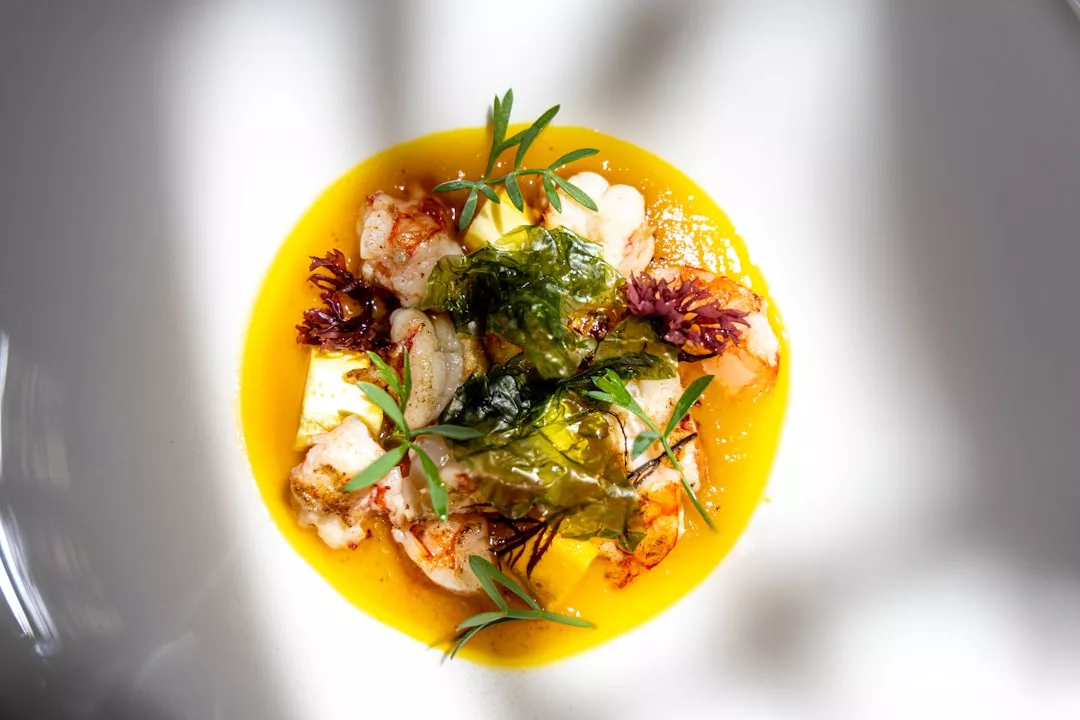
The artful arrangement of ingredients, vibrant colors, and creative plating techniques all contribute to an enticing presentation that captivates diners before they even take their first bite. For example, a dish featuring seared scallops might be plated atop a vibrant green pea puree, garnished with edible flowers and microgreens for added color and texture. This attention to detail not only enhances the overall dining experience but also reflects the chef’s commitment to artistry in their craft.
Additionally, fusion desserts often showcase elaborate presentations that combine elements from different culinary traditions—think matcha tiramisu or churros served with chocolate dipping sauce infused with cardamom. Such visually stunning creations invite diners to indulge not only in flavor but also in the aesthetic pleasure of their meals.
The use of seasonal and locally-sourced ingredients in fusion cuisine
The commitment to using seasonal and locally-sourced ingredients is a hallmark of many restaurants in Port d’Andratx’s fusion cuisine scene. By prioritizing seasonal ingredients, they can create dishes that reflect the changing landscape while celebrating the region’s agricultural bounty.
For instance, during the summer months, menus may feature ripe tomatoes bursting with flavor alongside fresh basil and mozzarella in a Caprese salad with an Asian twist—perhaps drizzled with sesame oil or topped with crispy nori flakes. In autumn, hearty root vegetables like sweet potatoes or beets may take center stage in fusion dishes that blend Mediterranean flavors with influences from Eastern Europe or North Africa. This dedication to seasonality ensures that diners enjoy meals crafted from the freshest ingredients available while fostering a deeper connection between food and place.
The fusion of different culinary traditions and cooking styles in Port d’Andratx
The culinary scene in Port d’Andratx thrives on the fusion of different culinary traditions and cooking styles, creating an environment where innovation flourishes. Chefs are inspired by diverse cultural backgrounds and experiences, leading them to experiment with various techniques and flavor combinations that transcend geographical boundaries. This blending of traditions results in dishes that tell a story—a narrative woven from threads of history, culture, and personal creativity.
For example, one might encounter a dish that combines elements of Italian risotto with Japanese ramen—creamy risotto infused with umami-rich dashi broth and topped with tender slices of seared tuna or grilled vegetables. Such fusions not only showcase technical skill but also reflect an understanding of how different cuisines can complement one another harmoniously. Furthermore, this cross-cultural exchange fosters an appreciation for diversity within the culinary arts while encouraging chefs to push their creative limits.

The rise of fusion desserts and cocktails in the restaurant scene
As fusion cuisine continues to gain traction in Port d’Andratx, so too does the emergence of innovative desserts and cocktails that reflect this trend. Chefs and mixologists are increasingly experimenting with unconventional flavor pairings and presentation styles to create memorable sweet treats and beverages that surprise diners at every turn. Desserts such as matcha-infused flan or churros served with coconut milk dipping sauce exemplify how traditional sweets can be reimagined through global influences.
These creations not only tantalize taste buds but also invite diners to explore new flavor profiles within familiar contexts. Similarly, cocktails have evolved into artistic expressions that blend various cultural elements—think mojitos infused with lemongrass or sangria made with tropical fruits like passionfruit or lychee. This playful approach encourages patrons to indulge their curiosity while enjoying refreshing libations that reflect the spirit of fusion cuisine.
The future of fusion cuisine in Port d’Andratx and beyond
Looking ahead, the future of fusion cuisine in Port d’Andratx appears bright as chefs continue to embrace creativity and innovation within their culinary practices. As global influences become increasingly accessible through travel and technology, there is no doubt that new flavor combinations will emerge on local menus—each reflecting the evolving tastes and preferences of diners. Moreover, as sustainability becomes an ever-more pressing concern within the food industry, chefs will likely prioritize locally-sourced ingredients while exploring ways to minimize waste through creative repurposing techniques.
This commitment not only supports local economies but also fosters a deeper connection between food producers and consumers—a relationship that is essential for cultivating a thriving culinary community. In conclusion, Port d’Andratx stands at the forefront of a culinary revolution where fusion cuisine reigns supreme. With its rich tapestry of flavors drawn from Mediterranean roots intertwined with global influences, this charming harbor town offers an exciting dining experience that continues to evolve as chefs push boundaries and explore new horizons within their craft.