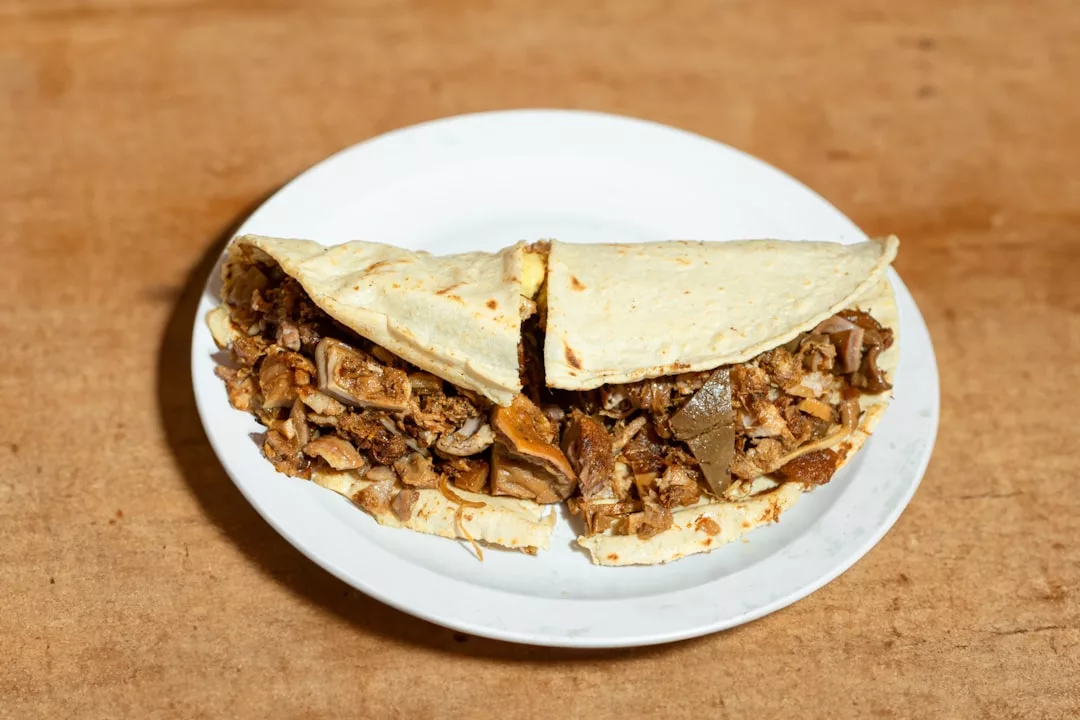
Authentic Spanish tortilla bars in Santa Catalina, Palma
March 15, 2025
The Spanish tortilla, often referred to as “tortilla española” or “tortilla de patatas,” has a rich and storied history that dates back to the early 19th century. Its origins are somewhat murky, with various regions of Spain claiming to be the birthplace of this iconic dish. Some culinary historians suggest that the tortilla was first created in the region of Navarre during the Carlist Wars, when food scarcity forced people to innovate with simple ingredients.
The combination of potatoes, eggs, and onions became a staple due to its affordability and ease of preparation, making it a popular choice among soldiers and families alike. As the dish gained popularity, it spread throughout Spain, evolving into a beloved national dish. By the late 19th century, the Spanish tortilla had become a common feature in tapas bars and homes across the country.
Its versatility allowed it to be served at any time of day, whether as a hearty breakfast, a light lunch, or a satisfying dinner. The dish’s simplicity belies its depth of flavor, which has captivated both locals and visitors for generations. Today, the Spanish tortilla is not just a culinary staple; it is a symbol of Spanish culture and identity, representing the ingenuity and resourcefulness of its people.
Key Takeaways
- Spanish tortilla has a long history dating back to the 18th century, with its origins in the northern region of Spain.
- The best ingredients for authentic Spanish tortilla include potatoes, onions, eggs, and olive oil.
- The right cooking technique is crucial for achieving the perfect texture and flavor of Spanish tortilla, including the use of a non-stick pan and the flipping method.
- Spanish tortilla bars have been on the rise in Santa Catalina, offering a variety of traditional and modern interpretations of the dish.
- There are different variations of Spanish tortilla, including the addition of chorizo, peppers, or other ingredients, each offering a unique twist on the classic dish.
The Best Ingredients for Authentic Spanish Tortilla
To create an authentic Spanish tortilla, the quality of ingredients is paramount. The traditional recipe calls for just three main components: potatoes, eggs, and onions. The potatoes should ideally be waxy varieties, such as Yukon Gold or Red Bliss, which hold their shape well during cooking.
These potatoes are known for their creamy texture and subtle flavor, making them perfect for absorbing the richness of the eggs. When selecting potatoes, freshness is key; they should be firm and free from blemishes to ensure the best results. Eggs are another crucial element in achieving the perfect tortilla.
Fresh, free-range eggs are preferred for their vibrant yolks and superior taste. The eggs should be whisked gently to maintain their integrity while ensuring they blend seamlessly with the other ingredients. Onions, while optional in some variations, add a layer of sweetness and complexity to the dish.
Sweet onions or even shallots can be used to enhance the flavor profile. The balance between these ingredients is essential; too many potatoes can lead to a dry tortilla, while too few can result in an overly eggy texture. Mastering this balance is key to creating an authentic Spanish tortilla that pays homage to its roots.
The Importance of the Right Cooking Technique
Cooking technique plays a pivotal role in achieving the perfect Spanish tortilla. The process begins with slicing the potatoes thinly—ideally about 1/8 inch thick—to ensure even cooking. Traditionally, these slices are then sautéed in olive oil over medium heat until they are tender but not browned.
This method allows the potatoes to soften while absorbing the rich flavors of the oil. It is essential to use high-quality extra virgin olive oil, as it imparts a distinct flavor that elevates the dish. Once the potatoes are cooked, they are combined with the beaten eggs and allowed to rest for a few minutes.
This resting period is crucial as it allows the flavors to meld together. The next step involves cooking the mixture in a non-stick skillet over low heat. Patience is key here; cooking too quickly can result in a burnt exterior while leaving the interior undercooked.
A gentle flip halfway through ensures that both sides are evenly cooked and golden brown. The final product should have a tender interior with a slightly crispy exterior—a testament to the skillful technique employed during its preparation.

The Rise of Spanish Tortilla Bars in Santa Catalina
In recent years, Santa Catalina has emerged as a vibrant culinary hub in Mallorca, with Spanish tortilla bars leading the charge in showcasing this beloved dish. These establishments have capitalized on the growing interest in traditional Spanish cuisine, offering patrons an array of tortilla variations that highlight local ingredients and innovative flavors. The atmosphere in these bars is often lively and communal, encouraging diners to share plates and engage in spirited conversations over their meals.
The rise of these tortilla bars can be attributed to several factors, including a renewed appreciation for authentic culinary experiences and a desire for comfort food that resonates with cultural heritage. Many of these bars feature open kitchens where chefs prepare tortillas in full view of diners, creating an interactive dining experience that draws people in. Additionally, some establishments have embraced modern twists on the classic recipe, incorporating seasonal vegetables or unique spices while still honoring traditional techniques.
This blend of innovation and tradition has solidified Santa Catalina’s reputation as a destination for food lovers seeking an authentic taste of Spain.
Exploring the Different Variations of Spanish Tortilla
While the classic Spanish tortilla consists of potatoes, eggs, and onions, numerous regional variations exist that reflect local tastes and ingredients. For instance, in some parts of Spain, chorizo or other cured meats are added to enhance flavor and provide a savory kick. In coastal regions, seafood such as shrimp or squid may find its way into the mix, offering a delightful twist on the traditional recipe.
These variations not only showcase regional ingredients but also highlight the creativity of chefs who seek to reinvent this classic dish. Another popular variation is the “tortilla de patatas con pimientos,” which incorporates roasted red peppers into the mix. This addition brings a sweet and smoky flavor that complements the earthiness of the potatoes beautifully.
Additionally, some chefs experiment with herbs like parsley or chives to add freshness and brightness to their tortillas. These creative adaptations demonstrate how versatile the Spanish tortilla can be while still remaining true to its roots. Each variation tells a story about its origin and reflects the diverse culinary landscape of Spain.
The Role of Santa Catalina in Preserving Traditional Spanish Cuisine
Santa Catalina plays a significant role in preserving traditional Spanish cuisine through its commitment to authenticity and quality. The neighborhood is home to numerous family-owned restaurants and markets that prioritize local ingredients and time-honored cooking methods. These establishments serve as custodians of culinary heritage, ensuring that traditional recipes are passed down through generations while adapting to contemporary tastes.
Moreover, Santa Catalina’s vibrant food scene fosters a sense of community among chefs and food enthusiasts alike. Local markets offer fresh produce and artisanal products that inspire chefs to create dishes rooted in tradition yet reflective of modern sensibilities. Events such as food festivals and cooking classes further promote awareness and appreciation for traditional Spanish cuisine, allowing both locals and visitors to engage with culinary practices that have shaped Mallorca’s gastronomic identity over centuries.

The Best Places to Enjoy Spanish Tortilla in Santa Catalina
When it comes to savoring authentic Spanish tortilla in Santa Catalina, several establishments stand out for their dedication to quality and flavor. One such place is “Bar España,” renowned for its classic tortilla served warm with a side of aioli. The bar’s bustling atmosphere adds to the experience, making it a favorite among locals looking for a quick bite or leisurely meal.
Another notable spot is “La Rosa,” which offers an innovative take on the traditional dish by incorporating seasonal vegetables sourced from local markets. Their “tortilla de espinacas” features fresh spinach and feta cheese, providing a delightful twist on the classic recipe while maintaining its essence.
How to Pair Spanish Tortilla with the Perfect Wine
Pairing wine with Spanish tortilla can elevate the dining experience significantly by complementing its flavors and textures. A crisp white wine such as Albariño or Verdejo works exceptionally well with this dish due to their refreshing acidity and fruity notes that balance out the richness of the eggs and potatoes. These wines enhance the overall experience without overpowering the delicate flavors of the tortilla.
For those who prefer red wine, a light-bodied option like Garnacha or Tempranillo can also be an excellent choice. These wines offer subtle tannins and berry notes that harmonize beautifully with the savory elements of the tortilla. Additionally, serving a chilled rosé can provide a delightful contrast to the warm dish while adding an element of sophistication to the meal.
Ultimately, selecting wines that highlight rather than overshadow the flavors of Spanish tortilla will create a memorable dining experience.
The Cultural Significance of Spanish Tortilla in Mallorcan Cuisine
In Mallorcan cuisine, Spanish tortilla holds a special place as both a comfort food and a symbol of cultural identity. It embodies the island’s agricultural heritage by utilizing locally sourced ingredients such as potatoes and eggs—staples that have been cultivated by generations of farmers. The dish is often featured at family gatherings and celebrations, serving as a reminder of shared traditions and communal bonds.
Moreover, Spanish tortilla reflects Mallorca’s culinary evolution over time, adapting to changing tastes while remaining rooted in tradition. As tourism has increased on the island, so too has interest in authentic local cuisine; visitors often seek out traditional dishes like tortilla as part of their cultural exploration. This demand has led to greater appreciation for Mallorcan culinary practices among both locals and tourists alike, ensuring that this beloved dish continues to thrive within Mallorca’s gastronomic landscape.

The Art of Making Spanish Tortilla at Home
Making Spanish tortilla at home can be both rewarding and enjoyable for those looking to connect with their culinary roots or simply impress friends at dinner parties. The process begins with selecting high-quality ingredients—fresh potatoes, eggs, onions—and preparing them with care. Slicing potatoes uniformly ensures even cooking while allowing them to absorb flavors effectively during sautéing.
Once prepared, home cooks can experiment with different cooking techniques—such as using an oven for even heat distribution or mastering the art of flipping on a stovetop—to achieve their desired texture and flavor profile. Adding personal touches like herbs or spices can further enhance the dish while allowing individuals to express their creativity in the kitchen. Sharing homemade tortillas with family or friends fosters connection through food—a universal language that transcends cultural boundaries.
The Future of Spanish Tortilla Bars in Santa Catalina
As culinary trends continue to evolve, Spanish tortilla bars in Santa Catalina are poised for growth by embracing innovation while honoring tradition. With an increasing focus on sustainability and local sourcing, many establishments are likely to explore new ways to incorporate seasonal ingredients into their tortillas while maintaining authenticity. Additionally, as more people seek out unique dining experiences that celebrate cultural heritage, these bars may expand their offerings beyond traditional tortillas by introducing fusion dishes or themed events centered around Spanish cuisine. The future looks bright for Spanish tortilla bars in Santa Catalina as they continue to celebrate this iconic dish while fostering community connections through shared culinary experiences rooted in tradition and innovation alike.