Heritage olive-oil tastings at rustic restaurants in Sóller
January 13, 2025
The history of olive oil in Sóller, a picturesque town nestled in the Tramuntana mountains of Mallorca, is deeply intertwined with the agricultural practices and cultural heritage of the region. The cultivation of olive trees in this area dates back to ancient times, with evidence suggesting that the Phoenicians were among the first to introduce olive cultivation to the Balearic Islands. Over centuries, the olive tree became a symbol of prosperity and resilience, thriving in the rocky, sun-drenched landscapes of Sóller.
The traditional methods of olive oil production have been passed down through generations, reflecting a rich tapestry of local customs and practices. In the 19th century, Sóller experienced a significant economic boom, largely due to its thriving agricultural sector. The introduction of steamships facilitated the export of local products, including olive oil, to international markets.
This period saw the establishment of numerous olive oil mills, where families would gather to produce oil using time-honored techniques. The community’s commitment to quality and tradition helped shape the unique flavor profiles of Sóller’s olive oils, which are characterized by their robust taste and vibrant green color. Today, this historical legacy continues to influence the region’s identity, as local producers strive to maintain the authenticity and quality of their products.
Key Takeaways
- The history of olive oil in Sóller dates back centuries, with a rich tradition of cultivation and production.
- Heritage olive oil holds significant cultural and historical value, representing the local heritage and traditions of Sóller.
- Sóller’s rustic restaurants offer a unique dining experience, showcasing the use of heritage olive oil in traditional cuisine.
- Olive oil tasting is an art that allows visitors to appreciate the nuances and flavors of different varieties.
- Understanding the different varieties of olive oil helps in appreciating the diverse flavors and uses in local cuisine.
The Significance of Heritage Olive Oil
Heritage olive oil is more than just a culinary ingredient; it embodies the cultural identity and agricultural heritage of Sóller. This type of olive oil is produced from ancient varieties of olives that have been cultivated in the region for centuries, often using traditional methods that prioritize sustainability and quality over mass production. The significance of heritage olive oil lies in its connection to the land and the people who have nurtured it through generations.
Each bottle tells a story of the local environment, climate, and farming practices that contribute to its unique flavor profile. Moreover, heritage olive oil plays a crucial role in preserving biodiversity.
This commitment to heritage not only supports the local economy but also fosters a sense of community among producers who share a passion for their craft. As consumers increasingly seek authentic and sustainable products, heritage olive oil has gained recognition as a symbol of quality and tradition, making it a sought-after item both locally and internationally.
Exploring the Rustic Restaurants of Sóller
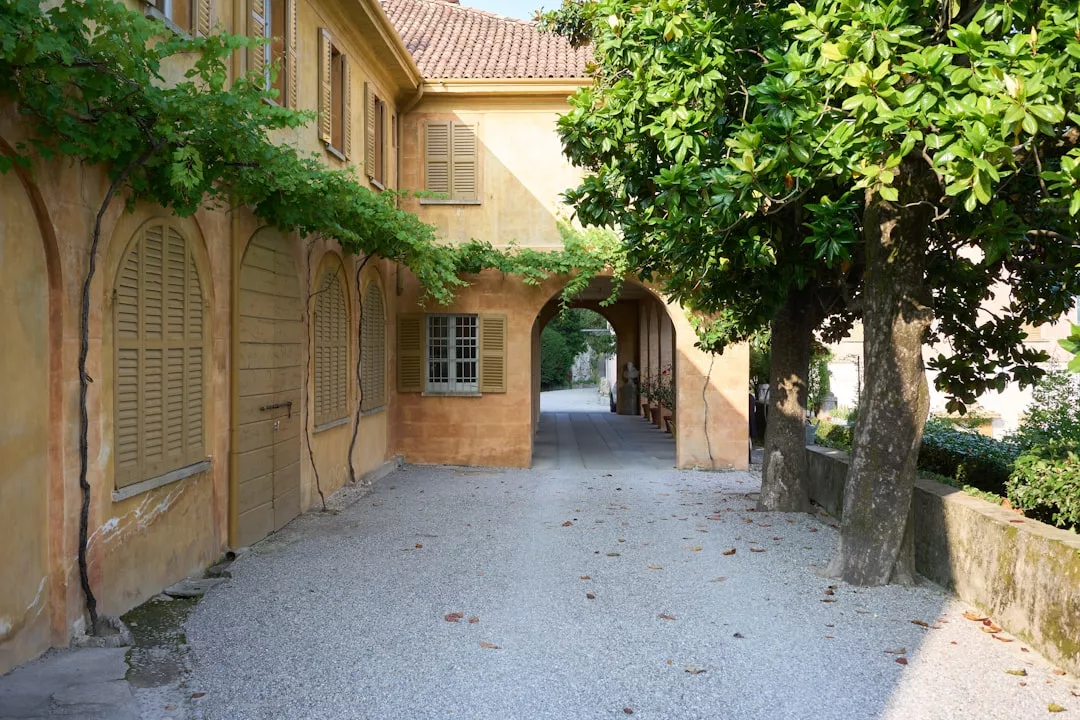
The rustic restaurants of Sóller offer an authentic dining experience that showcases the region’s culinary heritage, with olive oil playing a central role in many dishes. These establishments often feature traditional Mallorcan architecture, with stone walls and wooden beams that create a warm and inviting atmosphere. Many of these restaurants prioritize locally sourced ingredients, allowing diners to savor the flavors of Sóller while supporting local farmers and producers.
One notable restaurant is Ca’n BoQueta, known for its commitment to using seasonal ingredients and traditional cooking methods. Here, diners can enjoy dishes such as grilled vegetables drizzled with locally produced olive oil or succulent lamb cooked with aromatic herbs. The menu often changes to reflect what is available from local markets, ensuring that each meal is a true representation of Sóller’s culinary landscape.
Another gem is Restaurante Es Canyis, where patrons can indulge in a variety of tapas that highlight the versatility of olive oil, from marinated olives to seafood dishes enhanced by a drizzle of this liquid gold.
The Art of Olive Oil Tasting
Olive oil tasting is an art form that requires both knowledge and appreciation for the subtleties of flavor and aroma. In Sóller, this practice has gained popularity as more people seek to understand the complexities of different olive oils. Tasting sessions often begin with an exploration of the visual aspects—color can range from vibrant green to golden yellow, indicating different stages of ripeness and processing methods.
A high-quality olive oil should be clear and free from impurities. The next step involves inhaling the aroma, which can reveal a wealth of information about the oil’s origin and production methods. Notes may include grassy or fruity scents, hints of nuts or herbs, and even peppery undertones that indicate freshness.
Finally, tasting involves taking a small sip and allowing the oil to coat the palate. A well-crafted olive oil will have a balanced flavor profile with a pleasant bitterness and a peppery finish that lingers on the tongue. In Sóller, many local producers offer guided tastings where visitors can learn about the nuances of their oils while enjoying pairings with bread or cheese.
Understanding the Different Varieties of Olive Oil
The world of olive oil is diverse, with various types reflecting different production methods, olive varieties, and regional characteristics. In Sóller, several indigenous varieties contribute to the unique flavor profiles found in local oils. One prominent variety is the “Arbequina,” known for its mild flavor and fruity notes.
This small, brownish-green olive produces an oil that is smooth and buttery, making it an excellent choice for drizzling over salads or using in baking. Another significant variety is “Mallorquina,” which is native to Mallorca and prized for its robust flavor and aromatic qualities. This variety tends to have a more intense taste with hints of artichoke and green almond, making it ideal for dipping bread or enhancing savory dishes.
Understanding these varieties allows consumers to appreciate the complexity of olive oils from Sóller and choose oils that best suit their culinary needs.
Pairing Olive Oil with Local Cuisine
Pairing olive oil with local cuisine is an integral part of enjoying the flavors of Sóller. The region’s traditional dishes often highlight the use of high-quality olive oil as a key ingredient or finishing touch. For instance, “tumbet,” a classic Mallorcan dish made with layers of fried vegetables such as eggplant, potatoes, and bell peppers, is typically drizzled with olive oil before serving.
The richness of the oil complements the dish’s flavors while adding depth and complexity. Another popular pairing is with “pa amb oli,” a simple yet delicious dish consisting of rustic bread topped with tomato, cured meats, cheese, and generous amounts of olive oil. This dish exemplifies how olive oil enhances even the most straightforward ingredients, elevating them to new heights.

The Experience of a Heritage Olive Oil Tasting
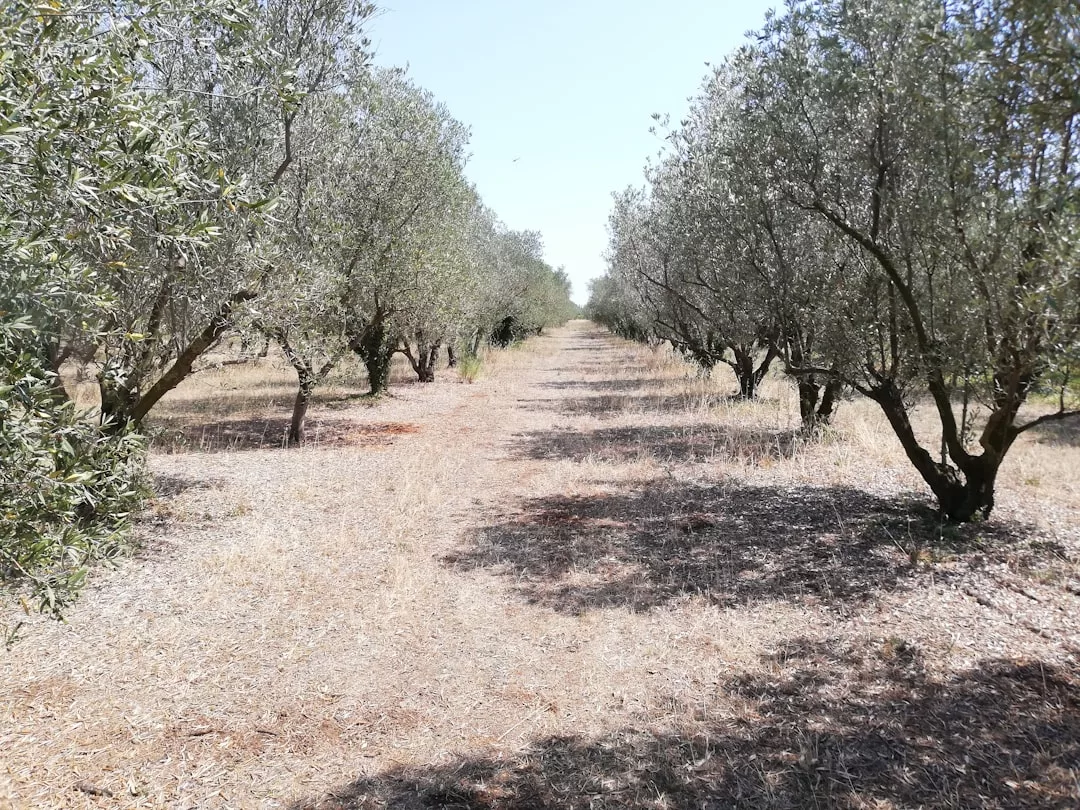
Participating in a heritage olive oil tasting in Sóller offers an immersive experience that connects visitors with the region’s agricultural traditions. Many local producers open their doors for tastings, providing an opportunity to learn about their unique production processes while sampling their oils. These tastings often take place in scenic settings surrounded by olive groves, allowing guests to appreciate the beauty of the landscape that nurtures these ancient trees.
During these tastings, participants are guided through various oils, each showcasing distinct characteristics based on factors such as soil type, climate conditions, and harvesting techniques. Attendees are encouraged to engage their senses fully—observing color, inhaling aromas, and savoring flavors—while learning about how each element contributes to the overall profile of the oil. This hands-on experience fosters a deeper appreciation for heritage olive oil and its significance within the local culture.
Meeting the Local Producers of Olive Oil
Meeting local producers is an essential aspect of understanding the heritage olive oil scene in Sóller. These artisans are passionate about their craft and often have fascinating stories about their family histories and connections to the land. Many producers operate small-scale farms where they cultivate olives using traditional methods passed down through generations.
Their dedication to quality over quantity ensures that each bottle reflects their commitment to preserving local agricultural practices. Producers like Finca Son Moragues exemplify this dedication; they cultivate ancient varieties of olives while employing organic farming techniques that respect both the environment and their heritage. Visitors can tour their facilities, witness the production process firsthand, and engage in conversations about sustainable practices and challenges faced by modern farmers.
These interactions not only enrich visitors’ understanding but also foster connections between consumers and producers that are vital for sustaining local economies.
The Cultural Importance of Olive Oil in Sóller
Olive oil holds profound cultural significance in Sóller beyond its culinary uses; it represents a way of life deeply rooted in tradition and community values. For many families in this region, producing olive oil is not merely a business but a cherished heritage that connects them to their ancestors and their land. Festivals celebrating the olive harvest are common in Sóller, where locals come together to honor this vital aspect of their culture through music, dance, and communal meals featuring traditional dishes prepared with freshly pressed olive oil.
Moreover, olive oil serves as a symbol of hospitality in Mallorcan culture. It is customary for hosts to offer guests bread drizzled with high-quality olive oil as a gesture of welcome—a practice that reflects both generosity and pride in local produce. This cultural importance extends beyond individual households; it fosters community bonds as families gather during harvest season to share labor and celebrate their shared connection to this essential agricultural product.

Sustainable Practices in Olive Oil Production
Sustainability is increasingly becoming a focal point in olive oil production in Sóller as producers recognize their role in preserving both environmental health and cultural heritage. Many local farmers are adopting organic farming practices that eliminate synthetic pesticides and fertilizers while promoting biodiversity within their groves. This approach not only enhances soil health but also supports local ecosystems by encouraging beneficial insects and wildlife.
Additionally, some producers are implementing water conservation techniques such as drip irrigation systems that minimize water usage while ensuring optimal growth conditions for their trees. These sustainable practices not only contribute to higher quality olives but also resonate with consumers who are increasingly concerned about environmental impact. By prioritizing sustainability, local producers are not only safeguarding their livelihoods but also ensuring that future generations can continue to enjoy the rich flavors and cultural significance associated with Sóller’s heritage olive oils.
Bringing Home a Taste of Sóller: Purchasing Heritage Olive Oil
For those wishing to bring home a taste of Sóller’s rich culinary heritage, purchasing heritage olive oil is an excellent way to do so. Many local producers offer their oils for sale at farm shops or during farmers’ markets held throughout the year. Visitors can find beautifully packaged bottles showcasing various blends or single-varietal oils that reflect the unique characteristics of Sóller’s olives.
In addition to purchasing directly from producers, many rustic restaurants also sell bottles of their house-made oils for patrons looking to recreate their dining experiences at home. This not only supports local businesses but also allows consumers to enjoy high-quality products that embody the flavors and traditions they experienced during their visit. Whether drizzled over salads or used as a finishing touch on grilled meats, bringing home heritage olive oil from Sóller ensures that one can savor its distinct taste long after leaving this enchanting town behind.