Exploring Palma’s Old Town: Culinary Walking Tours
October 3, 2025
Palma’s Old Town, known as “La Seu,” is a captivating blend of history, culture, and gastronomy that draws visitors from around the globe. Nestled on the island of Mallorca, this historic district is characterized by its narrow cobblestone streets, stunning architecture, and vibrant atmosphere. The Old Town is not just a place to wander; it is a living museum that tells the story of Palma’s rich past through its buildings, plazas, and culinary offerings.
As you stroll through its winding alleys, you can feel the pulse of the city, where every corner reveals a new delight, from ancient churches to bustling tapas bars. The allure of Palma’s Old Town lies in its ability to transport visitors back in time while simultaneously offering a taste of contemporary life. The juxtaposition of Gothic cathedrals and modern boutiques creates a unique ambiance that is both charming and dynamic.
This area is not only a feast for the eyes but also for the palate, making it an ideal destination for culinary enthusiasts. As the sun sets and the streets come alive with the sounds of laughter and clinking glasses, one cannot help but be drawn into the vibrant culinary scene that thrives within this historic enclave.
Key Takeaways
- Palma’s Old Town is a charming and historic area with narrow streets, ancient buildings, and a rich cultural heritage.
- The history and culture of Palma’s Old Town are deeply intertwined with its architecture, traditions, and local customs.
- Culinary walking tours have become increasingly popular in Palma’s Old Town, offering visitors a unique way to explore the city’s food scene.
- On a culinary walking tour, expect to sample a variety of traditional dishes, visit local markets and food halls, and meet artisans and producers.
- Top culinary destinations in Palma’s Old Town include traditional restaurants, tapas bars, and local eateries serving authentic Mallorcan cuisine.
The History and Culture of Palma’s Old Town
The history of Palma’s Old Town is a tapestry woven from various cultural influences, reflecting the island’s diverse past. Originally founded by the Romans in 123 BC, Palma has seen the rise and fall of numerous civilizations, including the Moors, who left an indelible mark on the architecture and urban layout. The remnants of these historical periods are evident in the intricate designs of the buildings, such as the iconic La Seu Cathedral, which stands as a testament to the city’s Gothic heritage.
The cathedral, completed in the 14th century, is not only an architectural marvel but also a symbol of Palma’s resilience and cultural identity. Culturally, Palma’s Old Town is a melting pot where traditions from different eras coexist harmoniously. The influence of Moorish architecture can be seen in the narrow streets and charming courtyards that characterize the area.
Additionally, the vibrant arts scene flourishes here, with galleries showcasing local artists and craftsmen. Festivals celebrating local customs and traditions are held throughout the year, further enriching the cultural landscape. This blend of history and culture creates an immersive experience for visitors, allowing them to appreciate not only the beauty of the surroundings but also the stories that have shaped Palma into what it is today.
The Rise of Culinary Walking Tours
In recent years, culinary walking tours have surged in popularity as travelers seek authentic experiences that connect them to local culture through food. These tours offer a unique opportunity to explore Palma’s Old Town while indulging in its culinary delights. As food becomes an integral part of travel experiences, walking tours provide a way to engage with local cuisine in a more intimate setting.
Participants can sample traditional dishes while learning about their origins and significance within Mallorcan culture. The rise of social media has also played a significant role in promoting culinary walking tours. Travelers are increasingly sharing their gastronomic adventures online, inspiring others to seek out similar experiences.
This trend has led to a proliferation of tour companies offering curated experiences that highlight not only food but also the stories behind it. As a result, culinary walking tours have become a popular choice for those looking to immerse themselves in Palma’s rich culinary heritage while enjoying the picturesque surroundings of its Old Town.

What to Expect on a Culinary Walking Tour
Embarking on a culinary walking tour in Palma’s Old Town promises an engaging and flavorful journey through the heart of Mallorcan cuisine. Typically led by knowledgeable guides who are passionate about food and culture, these tours often begin with an introduction to the history of the area and its culinary traditions. Participants can expect to visit various local eateries, markets, and artisan shops, each stop offering a unique tasting experience that showcases the region’s flavors.
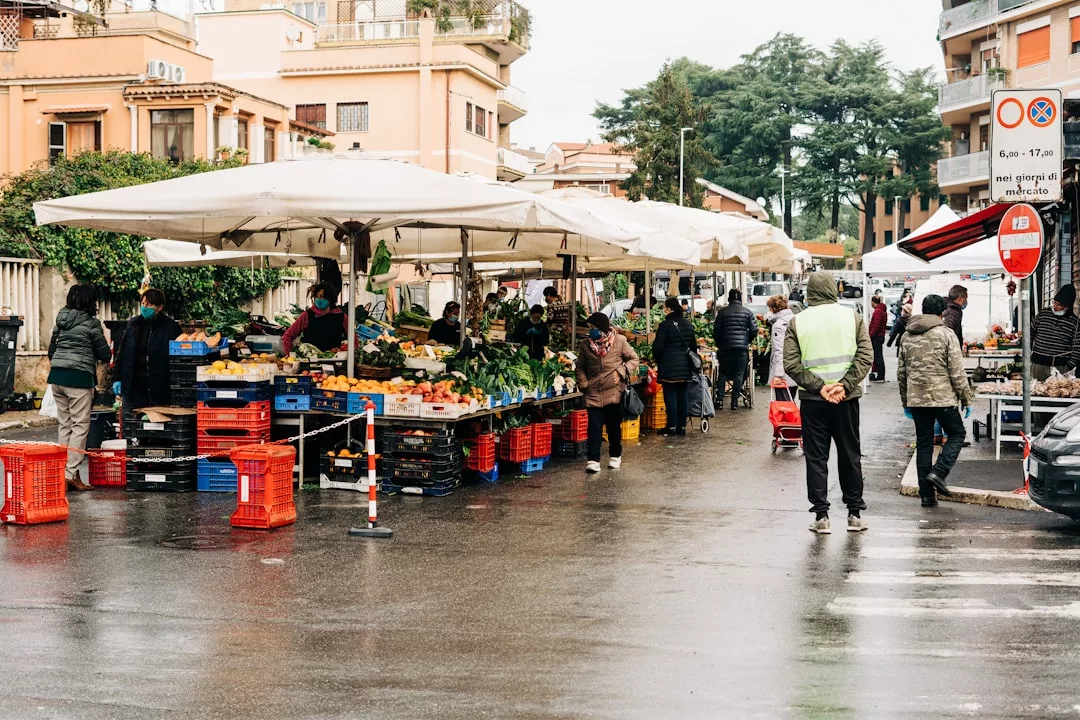
During these tours, guests will have the opportunity to sample a variety of dishes, from traditional tapas to modern interpretations of classic recipes. Guides often share anecdotes about the ingredients used and their significance in Mallorcan cooking. Additionally, many tours incorporate visits to local markets where participants can witness firsthand the vibrant atmosphere and interact with vendors selling fresh produce, meats, and cheeses.
This immersive experience not only tantalizes the taste buds but also deepens one’s understanding of Palma’s culinary landscape.
Top Culinary Destinations in Palma’s Old Town
Palma’s Old Town is home to an array of culinary destinations that cater to diverse tastes and preferences. One standout location is Mercat de l’Olivar, a bustling market where locals gather to shop for fresh produce, seafood, and artisanal products. The market features numerous stalls offering ready-to-eat dishes, making it an ideal stop for those looking to sample authentic Mallorcan flavors in a lively atmosphere.
Visitors can enjoy everything from freshly caught fish to delectable pastries while soaking in the vibrant energy of this culinary hub. Another must-visit destination is La Bodeguilla, a charming wine bar that specializes in local wines and tapas. With its rustic decor and inviting ambiance, La Bodeguilla offers an extensive selection of Mallorcan wines paired with traditional dishes like sobrasada (a cured sausage) and ensaimada (a sweet pastry).
The knowledgeable staff is eager to share recommendations and insights into the region’s wine production, making it an excellent spot for both novices and connoisseurs alike.
Traditional Mallorcan Dishes to Try
When exploring Palma’s Old Town through its culinary offerings, certain traditional Mallorcan dishes are essential for any food lover’s itinerary. One such dish is “tumbet,” a hearty vegetable casserole made with layers of eggplant, potatoes, and bell peppers topped with a rich tomato sauce. This dish exemplifies the island’s agricultural bounty and is often enjoyed as a side or main course.
Another iconic dish is “pa amb oli,” which translates to “bread with oil.” This simple yet flavorful dish consists of rustic bread drizzled with high-quality olive oil and topped with ingredients such as tomatoes, cheese, or cured meats. It reflects the Mediterranean diet’s emphasis on fresh ingredients and showcases Mallorca’s exceptional olive oil production. Sampling these traditional dishes provides insight into the island’s culinary heritage while allowing visitors to savor authentic flavors that have been passed down through generations.

Sampling Local Wines and Spirits
Mallorca boasts a burgeoning wine industry that has gained recognition for its quality and diversity. During culinary walking tours in Palma’s Old Town, participants often have the chance to sample local wines produced from indigenous grape varieties such as Manto Negro and Callet. These wines are known for their unique characteristics influenced by Mallorca’s climate and terroir.
In addition to wine, visitors can also explore Mallorca’s traditional spirits, such as “hierbas,” an herbal liqueur made from local herbs and plants. Often enjoyed as an aperitif or digestif, hierbas embodies the island’s natural bounty and offers a refreshing taste that complements many dishes. Tasting these local beverages not only enhances the culinary experience but also provides insight into Mallorca’s agricultural practices and cultural traditions surrounding food and drink.
Meeting Local Artisans and Producers
One of the most enriching aspects of culinary walking tours in Palma’s Old Town is the opportunity to meet local artisans and producers who are passionate about their craft. Many tours include visits to small-scale producers who specialize in traditional foods such as cheese-making or olive oil production. Engaging with these artisans allows participants to gain a deeper appreciation for the skills and dedication required to create high-quality products.
For instance, visitors may have the chance to meet a local cheesemaker who explains the process of crafting artisanal cheeses using traditional methods passed down through generations. Tasting their creations provides insight into how local ingredients influence flavor profiles while supporting sustainable practices within the community. These interactions foster connections between travelers and locals, enriching the overall experience by highlighting the importance of preserving culinary traditions.
Exploring Palma’s Old Town’s Markets and Food Halls
Palma’s Old Town is dotted with vibrant markets and food halls that serve as epicenters for culinary exploration. In addition to Mercat de l’Olivar, another notable market is Mercat de Santa Catalina, known for its lively atmosphere and diverse offerings. Here, visitors can find everything from fresh seafood to exotic fruits while enjoying tapas at nearby bars that showcase local flavors.
Food halls have also gained popularity in recent years as communal spaces where visitors can sample various cuisines under one roof. These venues often feature stalls run by different chefs or vendors, allowing guests to experience a range of flavors without having to travel far. Exploring these markets and food halls provides an immersive experience that highlights Mallorca’s culinary diversity while fostering a sense of community among locals and visitors alike.

Tips for Making the Most of Your Culinary Walking Tour
To fully enjoy a culinary walking tour in Palma’s Old Town, there are several tips that can enhance your experience. First and foremost, come with an open mind and a willingness to try new flavors; this is key to discovering hidden gems within Mallorcan cuisine. Additionally, wearing comfortable shoes is essential since you’ll be walking through cobblestone streets while exploring various stops.
Engaging with your guide can also enrich your experience; ask questions about dishes or ingredients you encounter along the way. Many guides are passionate about sharing their knowledge and can provide valuable insights into local customs or cooking techniques. Lastly, consider joining a tour that includes visits to both well-known establishments as well as lesser-known spots frequented by locals; this balance will give you a comprehensive view of Palma’s culinary landscape.
Embracing the Flavors of Palma’s Old Town
Palma’s Old Town offers an unparalleled opportunity to immerse oneself in Mallorcan culture through its rich culinary heritage. From traditional dishes steeped in history to innovative interpretations crafted by local chefs, every bite tells a story that connects visitors with the island’s past and present. Culinary walking tours serve as gateways into this vibrant world, allowing participants not only to taste but also to understand what makes Palma’s gastronomy so special.
As you navigate through its charming streets filled with tantalizing aromas and lively conversations, embracing these flavors becomes more than just a meal; it transforms into an unforgettable journey through time and tradition. Whether you’re savoring pa amb oli at a quaint café or sipping local wine at a bustling market stall, each experience contributes to a deeper appreciation for Palma’s Old Town—a place where history meets flavor in delightful harmony.