Exploring the Camino de s’Arxiduc: Cycling Adventures near Deià
October 1, 2025
The Camino de s’Arxiduc, a picturesque cycling route nestled in the heart of Mallorca, Spain, offers an enchanting blend of natural beauty, historical significance, and cultural richness. This trail, named after Archduke Ludwig Salvator of Austria, who was instrumental in promoting the island’s natural landscapes in the late 19th century, serves as a tribute to his love for Mallorca. The route winds through the Tramuntana mountain range, a UNESCO World Heritage site, showcasing the island’s diverse ecosystems and breathtaking vistas.
Cyclists and nature enthusiasts alike are drawn to this trail not only for its physical challenges but also for the opportunity to immerse themselves in the stunning surroundings and rich history. As one embarks on the Camino de s’Arxiduc, they are greeted by a tapestry of landscapes that range from rugged mountains to serene coastal views. The trail is designed to cater to various skill levels, making it accessible for both seasoned cyclists and those looking for a leisurely ride.
The experience is further enriched by the chance to encounter local flora and fauna, as well as the vibrant culture of the villages along the route. Whether one is seeking adventure, tranquility, or a deeper connection with nature, the Camino de s’Arxiduc promises an unforgettable journey.
Key Takeaways
- The Camino de s’Arxiduc is a historic trail in Mallorca, known for its stunning views and challenging cycling routes.
- The trail holds significant historical and cultural importance, as it was built by Archduke Ludwig Salvator of Austria in the 19th century.
- Deià serves as the starting point for the trail, and can be reached by car or public transportation from Palma.
- Cyclists can choose from various routes of different difficulty levels, with options for both beginners and experienced riders.
- The trail offers breathtaking scenic views, including the Mediterranean Sea, mountains, and traditional Mallorcan villages.
History and significance of the Camino de s’Arxiduc
The historical roots of the Camino de s’Arxiduc can be traced back to the late 1800s when Archduke Ludwig Salvator fell in love with Mallorca’s unspoiled landscapes. His passion for the island led him to explore its hidden gems and promote its natural beauty to the world. The archduke’s efforts were pivotal in establishing Mallorca as a destination for artists, writers, and travelers seeking inspiration from its stunning scenery.
He meticulously documented his explorations, leaving behind a legacy that continues to attract visitors today. The trail itself was developed as part of Ludwig’s vision to create accessible paths that would allow people to experience the island’s breathtaking views and rich biodiversity. The Camino de s’Arxiduc not only serves as a tribute to his contributions but also highlights the importance of preserving Mallorca’s natural heritage.
The route is interspersed with historical landmarks, such as ancient stone walls and traditional dry-stone constructions, which reflect the island’s agricultural past. As cyclists traverse this path, they are not merely enjoying a recreational activity; they are participating in a historical narrative that celebrates both human ingenuity and the beauty of nature.
Getting to Deià and starting point of the trail
Deià, a charming village perched on the slopes of the Tramuntana mountains, serves as the gateway to the Camino de s’Arxiduc. Accessible by car or public transport from Palma, the capital of Mallorca, Deià is well-connected yet retains its quaint, rustic charm. Travelers can take a scenic drive along winding roads that offer glimpses of the Mediterranean Sea and lush landscapes.
Alternatively, public buses provide a convenient option for those looking to avoid driving. The journey itself is part of the experience, as it sets the stage for the adventure that lies ahead. Once in Deià, cyclists can easily locate the starting point of the Camino de s’Arxiduc near the village center.
The trailhead is marked by informative signage that provides details about the route and its historical significance. Before embarking on their journey, cyclists may want to take a moment to explore Deià’s narrow streets lined with stone houses adorned with vibrant bougainvillea. The village is known for its artistic heritage and has been home to many notable figures, including poet Robert Graves.
This rich cultural backdrop adds an extra layer of depth to the experience as cyclists prepare to set off on their adventure.
Cycling routes and difficulty levels along the Camino de s’Arxiduc
The Camino de s’Arxiduc offers a variety of cycling routes that cater to different skill levels, making it an inclusive experience for all types of cyclists. The main route stretches approximately 20 kilometers (12 miles) from Deià to Soller, featuring a mix of challenging climbs and gentle descents. For seasoned cyclists seeking an adrenaline rush, there are sections with steep gradients that require stamina and skill.
These challenging segments reward riders with panoramic views that make every effort worthwhile. For those who prefer a more leisurely ride, alternative paths branch off from the main route, allowing cyclists to explore at their own pace. These easier trails often meander through picturesque landscapes dotted with olive groves and almond trees, providing ample opportunities for rest and reflection.
The varied terrain ensures that everyone can find a suitable path that matches their abilities while still enjoying the stunning scenery that characterizes this remarkable trail.

Scenic views and points of interest along the trail
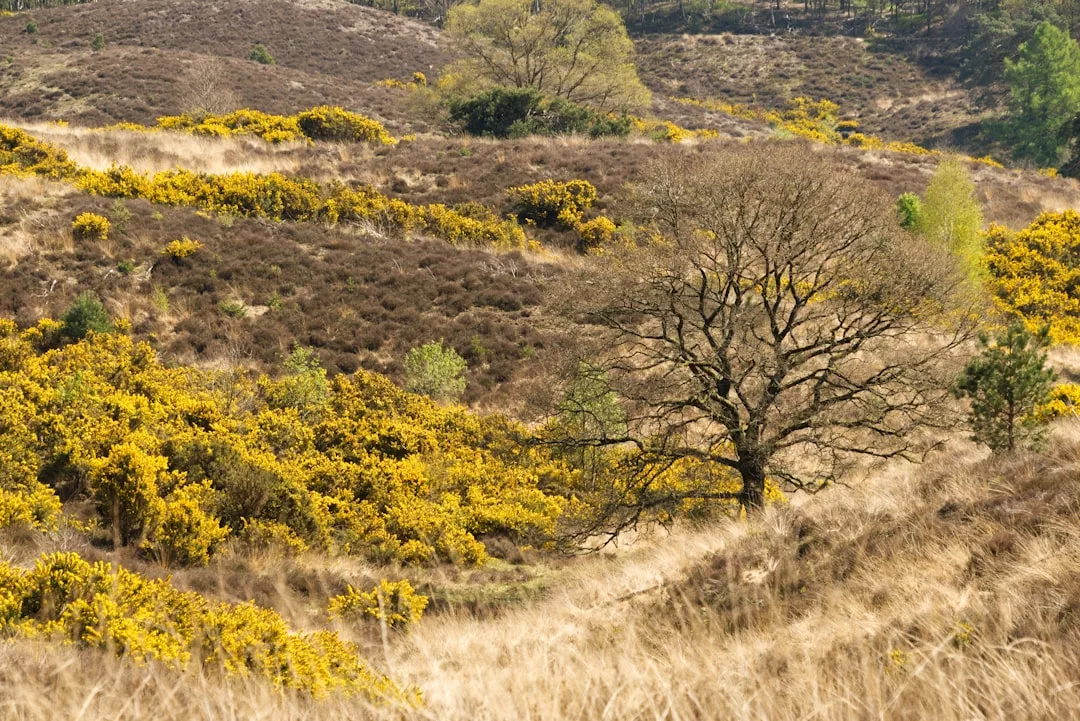
As cyclists navigate the Camino de s’Arxiduc, they are treated to an array of breathtaking views that showcase Mallorca’s natural beauty. The trail offers sweeping vistas of the Mediterranean coastline, with azure waters contrasting against rugged cliffs. One particularly stunning viewpoint is located near the Mirador de ses Barques, where riders can pause to take in the dramatic landscape stretching out before them.
This vantage point is ideal for capturing photographs or simply soaking in the tranquility of nature. In addition to scenic views, the trail is dotted with points of interest that enrich the cycling experience. Historical sites such as ancient watchtowers and traditional stone farmhouses provide insight into Mallorca’s agricultural heritage.
Cyclists may also encounter charming villages along the way, each with its unique character and local traditions. For instance, the village of Soller is renowned for its beautiful architecture and vibrant orange groves, making it a perfect stop for refreshments or exploration before continuing on the journey.
Wildlife and nature encounters on the Camino de s’Arxiduc
The Camino de s’Arxiduc is not only a feast for the eyes but also a haven for wildlife enthusiasts. As cyclists traverse this diverse landscape, they may encounter various species of birds, including eagles soaring overhead and colorful songbirds flitting through the trees. The region’s rich biodiversity is supported by its varied ecosystems, which include coastal areas, forests, and agricultural lands.
This ecological diversity creates an ideal environment for observing wildlife in their natural habitats. In addition to avian life, cyclists may also spot native mammals such as rabbits and foxes darting through the underbrush or basking in sunny clearings. The trail’s proximity to natural reserves enhances these encounters, providing opportunities for nature lovers to appreciate Mallorca’s unique flora and fauna up close.
The interplay between cycling and wildlife observation adds an enriching dimension to the journey, allowing participants to connect with nature on a deeper level.
Recommended gear and equipment for cycling the Camino de s’Arxiduc
To fully enjoy the experience of cycling along the Camino de s’Arxiduc, it is essential to be well-prepared with appropriate gear and equipment. A reliable mountain or hybrid bike is recommended due to the varied terrain encountered along the trail. Cyclists should ensure their bikes are equipped with sturdy tires capable of handling both paved roads and rougher paths.
Additionally, having a repair kit on hand can be invaluable in case of punctures or mechanical issues during the ride. Comfortable clothing is equally important for an enjoyable cycling experience.
A well-fitted helmet is crucial for safety, while padded shorts can enhance comfort on longer rides. Cyclists should also consider bringing along hydration packs or water bottles to stay hydrated throughout their journey, especially during warmer months when temperatures can rise significantly.

Safety tips and precautions for cycling in the area
Cycling along the Camino de s’Arxiduc can be an exhilarating experience; however, safety should always be a top priority. Riders should familiarize themselves with local traffic laws and regulations before setting out on their journey. While many sections of the trail are designated for cyclists, some areas may require sharing roads with vehicles.
Staying alert and being aware of one’s surroundings is essential for ensuring a safe ride. Additionally, it is advisable to cycle with a companion whenever possible. Not only does this enhance safety in case of emergencies, but it also allows for shared experiences and camaraderie along the way.
Cyclists should also be mindful of weather conditions; sudden changes can occur in mountainous regions. Carrying lightweight rain gear or windbreakers can help prepare for unexpected weather shifts while ensuring comfort throughout the ride.
Local culture and traditions to experience along the trail
The Camino de s’Arxiduc offers more than just stunning landscapes; it also provides an opportunity to immerse oneself in local culture and traditions unique to Mallorca. As cyclists pass through quaint villages like Deià and Soller, they may encounter local artisans showcasing their crafts or traditional markets brimming with fresh produce and handmade goods. Engaging with these local communities allows visitors to gain insight into Mallorcan life and customs.
Culinary experiences are another highlight along the trail. Local cuisine reflects Mallorca’s agricultural heritage, with dishes featuring fresh seafood, locally grown fruits, and traditional pastries like ensaimadas.
Rest stops and dining options near the Camino de s’Arxiduc
Cyclists traversing the Camino de s’Arxiduc will find numerous rest stops and dining options strategically located along the route. These establishments range from charming cafes serving refreshing beverages to restaurants offering hearty meals made from locally sourced ingredients. One popular stop is Café Sa Fonda in Soller, known for its delicious pastries and coffee—a perfect way to recharge before continuing on one’s journey.
In addition to cafes and restaurants, there are also picnic areas where cyclists can take a break amidst nature’s beauty. Many riders choose to pack their own snacks or meals to enjoy at scenic viewpoints along the trail. This not only allows for a leisurely pause but also provides an opportunity to savor Mallorca’s stunning landscapes while enjoying good food in good company.
Conclusion and recommendations for exploring the Camino de s’Arxiduc by bike
Exploring the Camino de s’Arxiduc by bike offers an unparalleled opportunity to experience Mallorca’s breathtaking landscapes while engaging with its rich history and vibrant culture. From challenging climbs that reward riders with stunning vistas to charming villages steeped in tradition, this trail caters to all types of cyclists seeking adventure or tranquility alike. With proper preparation—ranging from suitable gear to safety precautions—participants can fully immerse themselves in this remarkable journey.
For those considering embarking on this cycling adventure, it is recommended to plan ahead by researching routes that match individual skill levels while allowing time for exploration at various points of interest along the way. Engaging with local culture through food and interactions with residents adds depth to this experience that goes beyond mere sightseeing; it fosters connections that enrich one’s understanding of Mallorca’s unique identity as both a natural paradise and cultural treasure trove waiting to be discovered.