Buying a historic palace in Palma: what to expect
December 8, 2025

Palma, the capital of the Balearic Islands, boasts a rich tapestry of history that is vividly reflected in its stunning palaces. These architectural marvels, many of which date back to the medieval period, serve as a testament to the city’s evolution through various cultural influences, including Roman, Moorish, and Gothic. The most notable among them is the Almudaina Palace, originally a Moorish fortress that was later transformed into a royal residence.
Its walls have witnessed centuries of political intrigue and social change, making it a focal point for understanding Palma’s historical narrative. The palaces of Palma are not merely structures; they are repositories of stories that encapsulate the lives of the nobility and the common folk alike. For instance, the Palacio de la Almudaina has been a royal residence since the 13th century and continues to be used for official ceremonies.
The architecture of these palaces often reflects the prevailing styles of their respective eras, showcasing intricate stonework, grand courtyards, and lush gardens. Each palace tells a unique story, from the opulent lifestyle of its former inhabitants to the socio-political events that shaped the region. Understanding this history is crucial for anyone considering purchasing a historic palace in Palma, as it provides context for the property’s significance and potential.
Key Takeaways
- Palma’s palaces have a rich history dating back centuries, offering a glimpse into the city’s cultural and architectural heritage.
- Researching the legal and financial implications of purchasing a historic palace is crucial to understanding the responsibilities and potential challenges involved.
- Assessing the condition of the palace and potential renovation costs is essential for making informed decisions about the investment.
- Navigating the regulations and restrictions for historic properties in Palma requires careful consideration to ensure compliance with preservation guidelines.
- Hiring a reputable real estate agent with experience in historic properties can provide valuable expertise and guidance throughout the purchasing process.
Researching the legal and financial implications of purchasing a historic palace
Acquiring a historic palace in Palma involves navigating a complex landscape of legal and financial considerations. One of the primary legal aspects to investigate is the classification of the property as a cultural heritage site. Many palaces in Palma are protected under Spanish heritage laws, which can impose restrictions on renovations and alterations.
Buyers must familiarize themselves with these regulations to avoid potential legal pitfalls that could arise from unauthorized modifications. Engaging with local authorities or heritage organizations can provide clarity on what is permissible and what is not. Financially, purchasing a historic palace often requires a substantial investment not only in the acquisition but also in ongoing maintenance and restoration.
Buyers should conduct thorough due diligence to understand all associated costs, including property taxes, insurance, and potential restoration expenses. It is advisable to consult with financial experts who specialize in historic properties to assess the long-term financial implications. Additionally, understanding the market dynamics in Palma can help buyers gauge whether they are making a sound investment or if they might be overextending themselves financially.
Assessing the condition of the palace and potential renovation costs
Before committing to the purchase of a historic palace, it is essential to conduct a comprehensive assessment of its condition. This involves hiring professionals who can evaluate the structural integrity of the building, including its foundation, roof, and walls. Many historic properties may have hidden issues such as dampness, pest infestations, or outdated electrical systems that could lead to significant renovation costs down the line.
A thorough inspection can uncover these problems early on, allowing potential buyers to make informed decisions about their investment. Renovation costs for historic palaces can vary widely depending on the extent of necessary repairs and restorations. For instance, restoring original features such as frescoes or intricate woodwork may require specialized artisans who can replicate traditional techniques.
This can significantly increase costs compared to standard renovations. Additionally, buyers should consider whether they want to maintain the palace’s historical authenticity or modernize certain aspects for comfort and functionality. Balancing these priorities is crucial, as it can impact both the budget and the overall character of the property.
Navigating the regulations and restrictions for historic properties in Palma
Owning a historic palace in Palma comes with a unique set of regulations and restrictions designed to preserve cultural heritage. The Balearic government has established strict guidelines regarding alterations to listed buildings, which can include anything from minor cosmetic changes to major structural renovations. Understanding these regulations is vital for any prospective owner, as non-compliance can lead to hefty fines or even legal action.
Engaging with local heritage preservation societies can provide valuable insights into what is permissible under current laws. Moreover, navigating these regulations often requires patience and diligence. The process for obtaining necessary permits can be lengthy and bureaucratic, particularly for significant renovations.
Buyers should be prepared for potential delays and should factor this into their planning timeline. Collaborating with architects and contractors who have experience working with historic properties can streamline this process, as they will be familiar with local regulations and best practices for preserving historical integrity while achieving modern functionality.

Hiring a reputable real estate agent with experience in historic properties
When venturing into the market for a historic palace in Palma, enlisting the services of a knowledgeable real estate agent is paramount. A reputable agent with experience in historic properties will not only understand the nuances of such transactions but also possess insights into local market trends and property values. They can guide buyers through the complexities of purchasing a historic home, ensuring that all legalities are addressed and that potential pitfalls are avoided.
Moreover, an experienced agent can provide access to exclusive listings that may not be widely advertised. They often have established relationships with other professionals in the field, including architects, contractors, and preservationists, which can be invaluable during both the purchasing process and subsequent renovations. By leveraging their expertise, buyers can make more informed decisions and navigate the intricacies of acquiring a historic palace with greater confidence.
Understanding the cultural and architectural significance of the palace
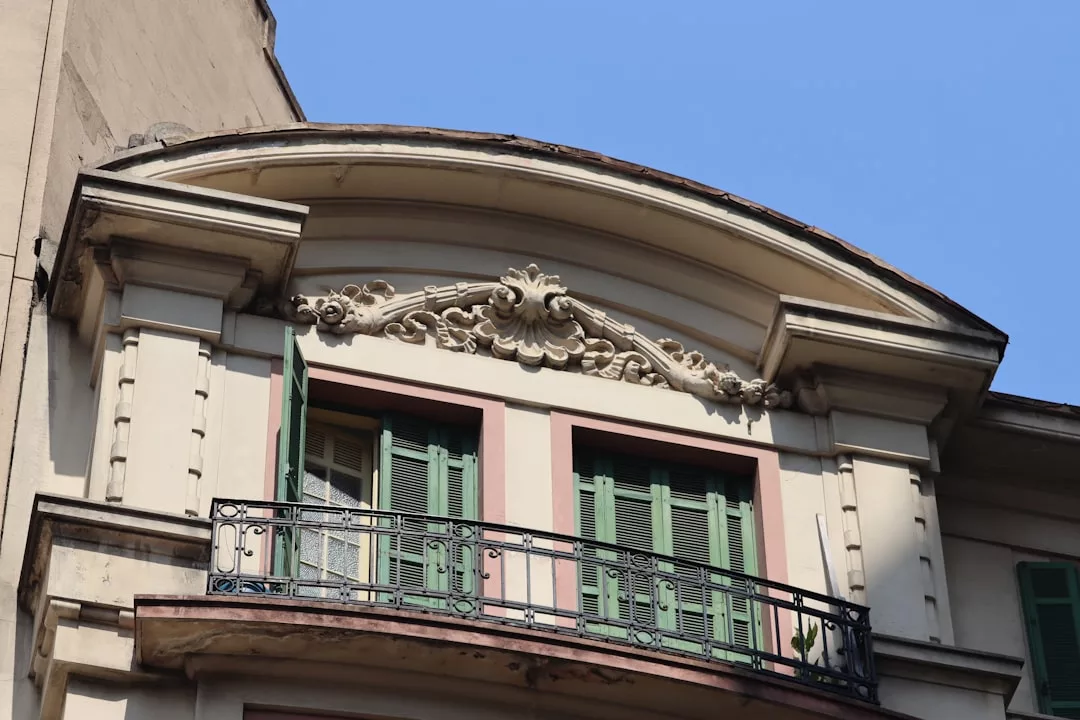
The cultural and architectural significance of a historic palace extends beyond its physical structure; it embodies the history and identity of Palma itself. Each palace reflects various architectural styles that have evolved over centuries, showcasing influences from Gothic to Baroque designs. For instance, many palaces feature ornate facades adorned with intricate carvings and decorative elements that tell stories of their time.
Understanding these architectural nuances not only enriches one’s appreciation for the property but also informs decisions regarding restoration and preservation. Additionally, these palaces often serve as cultural landmarks within their communities. They may host events, exhibitions, or educational programs that celebrate local history and heritage.
By owning such a property, individuals have an opportunity to contribute to this cultural narrative while also preserving it for future generations. Engaging with local historians or cultural organizations can provide deeper insights into the significance of specific architectural features or historical events associated with the palace.
Considering the potential for tourism and events at the palace
One of the appealing aspects of owning a historic palace in Palma is its potential for tourism and hosting events. Given Palma’s status as a popular tourist destination, a well-preserved palace can attract visitors interested in history, architecture, and culture. Owners may consider opening their property for guided tours or special events such as weddings or corporate gatherings.
This not only provides an additional revenue stream but also allows owners to share their passion for history with others. However, capitalizing on this potential requires careful planning and consideration of logistics. Owners must ensure that their property meets safety standards for public access and that they comply with any local regulations regarding commercial activities in historic buildings.
Additionally, marketing strategies should be developed to effectively reach target audiences interested in unique experiences within historical settings. Collaborating with local tourism boards or event planners can enhance visibility and attract visitors eager to explore Palma’s rich heritage.
Budgeting for ongoing maintenance and preservation of the palace
Owning a historic palace entails ongoing responsibilities related to maintenance and preservation that go beyond initial renovation costs. Historic properties often require specialized care to ensure their longevity and integrity. This includes regular inspections of structural elements, roof maintenance, plumbing updates, and climate control systems that protect delicate interiors from humidity or temperature fluctuations.
Establishing a comprehensive maintenance plan is essential for preserving both the aesthetic appeal and structural soundness of the property. Budgeting for these ongoing expenses requires foresight and careful planning. Owners should set aside funds specifically earmarked for maintenance needs that may arise unexpectedly over time.
Additionally, it may be beneficial to consult with preservation specialists who can provide guidance on best practices for maintaining historical features while ensuring modern comfort standards are met.

Seeking advice from experts in historic property ownership and preservation
Navigating the complexities of owning a historic palace necessitates seeking advice from experts who specialize in property ownership and preservation. This includes architects experienced in restoration work on heritage buildings, legal advisors familiar with cultural heritage laws, and financial consultants who understand the unique economic aspects associated with such properties. Engaging with these professionals can provide invaluable insights that help owners make informed decisions throughout their ownership journey.
Furthermore, joining networks or associations focused on historic preservation can offer additional resources and support. These organizations often host workshops, seminars, or conferences where owners can learn about best practices in preservation techniques or connect with other like-minded individuals facing similar challenges. By fostering relationships within this community, owners can gain access to a wealth of knowledge that enhances their understanding of responsible stewardship over their historic property.
Exploring potential funding and grants for historic property restoration
Restoring a historic palace can be financially daunting; however, various funding opportunities exist specifically aimed at supporting such endeavors. Government programs at both national and regional levels often provide grants or low-interest loans for restoration projects that adhere to preservation standards. In Spain, organizations like the Instituto del Patrimonio Cultural de España offer resources aimed at promoting heritage conservation efforts across various regions.
Additionally, private foundations or non-profit organizations may also offer funding opportunities tailored toward specific types of restoration projects or cultural initiatives related to heritage sites. Researching these options thoroughly can uncover potential financial assistance that alleviates some burden associated with restoration costs. Collaborating with local heritage organizations can also provide guidance on available funding sources while ensuring compliance with necessary regulations throughout any restoration process.
Embracing the unique challenges and rewards of owning a historic palace in Palma
Owning a historic palace in Palma presents both unique challenges and profound rewards that come from being part of such an extraordinary legacy. The challenges often stem from navigating complex regulations surrounding preservation efforts while managing ongoing maintenance needs that require specialized knowledge and resources.
The rewards extend beyond personal fulfillment; they encompass contributing positively to local culture by maintaining an architectural gem that attracts visitors eager to learn about Palma’s rich heritage. Additionally, owning such a property offers opportunities for creative expression through restoration projects that honor historical authenticity while incorporating modern comforts. Ultimately, embracing both challenges and rewards allows owners not only to enjoy their magnificent palaces but also to play an integral role in safeguarding Palma’s cultural identity for generations to come.