Capturing Es Trenc: Photography Expeditions in Campos
July 31, 2025

Es Trenc, located on the southern coast of Mallorca, Spain, is a stunning natural beach that has become a beloved destination for both locals and tourists alike. Renowned for its pristine white sands and crystal-clear turquoise waters, Es Trenc is often described as one of the most beautiful beaches in the Mediterranean. The beach stretches for nearly three kilometers, bordered by lush dunes and a backdrop of wild vegetation, creating a picturesque setting that is perfect for photography enthusiasts.
The area is not only a visual feast but also a haven for biodiversity, making it an ideal location for capturing the essence of nature in its most unspoiled form. The allure of Es Trenc lies not only in its breathtaking scenery but also in its relatively untouched environment. Unlike many other tourist hotspots, Es Trenc has managed to maintain its natural charm, thanks in part to local conservation efforts.
The beach is part of a protected area, which helps preserve its unique ecosystem and ensures that visitors can enjoy its beauty without the encroachment of commercial development. This commitment to conservation makes Es Trenc a prime location for photographers seeking to capture the raw beauty of nature while also promoting awareness of environmental preservation.
Key Takeaways
- Es Trenc is a stunning beach located in Campos, Mallorca, known for its crystal-clear turquoise waters and pristine white sand.
- Campos, the town near Es Trenc, is a beautiful area with picturesque landscapes, charming villages, and traditional architecture.
- When planning a photography expedition to Es Trenc and Campos, consider the best time of day for lighting and the weather conditions.
- Essential equipment and gear for a photography expedition to Es Trenc and Campos include a DSLR camera, wide-angle lens, tripod, and ND filters.
- The golden hour, just after sunrise and before sunset, offers the best lighting for capturing stunning photographs at Es Trenc and Campos.
The Beauty of Campos
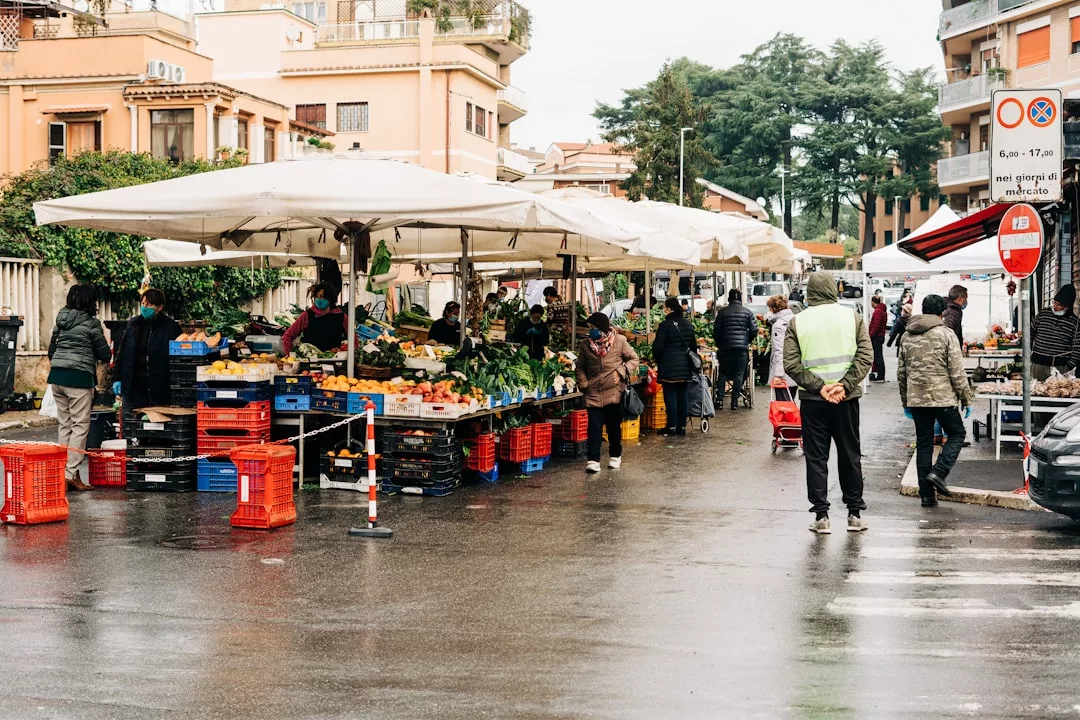
The nearby town of Campos serves as a gateway to Es Trenc and offers its own unique charm and beauty. Known for its traditional Mallorcan architecture, Campos features narrow streets lined with quaint shops, local markets, and inviting cafes. The town’s vibrant atmosphere is enhanced by the presence of friendly locals who are eager to share their culture and traditions with visitors.
The surrounding countryside is dotted with picturesque farms and fields, providing a stunning contrast to the coastal landscape. This blend of rural and coastal beauty makes Campos an excellent starting point for any photography expedition. In addition to its architectural appeal, Campos is surrounded by breathtaking natural landscapes.
The rolling hills and fertile plains are home to a variety of flora and fauna, making it an ideal location for nature photography. The region is particularly known for its almond trees, which bloom in early spring, creating a stunning display of pink and white blossoms. This seasonal spectacle attracts photographers from all over the world who seek to capture the ephemeral beauty of the almond blossoms against the backdrop of the Mallorcan countryside.
The combination of cultural richness and natural beauty makes Campos an essential stop for anyone looking to explore the photographic opportunities that Mallorca has to offer.
Planning a Photography Expedition
When planning a photography expedition to Es Trenc and Campos, careful consideration of timing and logistics is essential to maximize the experience. The best time to visit is during the shoulder seasons of spring and early autumn when the weather is mild, and the crowds are thinner. This allows photographers to capture the stunning landscapes without the distractions of large tourist groups.
Additionally, these seasons provide unique lighting conditions that can enhance the quality of photographs, particularly during sunrise and sunset. Creating a detailed itinerary can help ensure that you make the most of your time in this beautiful region. Identify key locations you want to photograph, such as specific viewpoints along Es Trenc or notable landmarks in Campos.
It’s also beneficial to research local events or festivals that may coincide with your visit, as these can provide unique opportunities for capturing cultural moments. Flexibility is key; being open to spontaneous discoveries can lead to unexpected photographic gems that enhance your portfolio.

Equipment and Gear
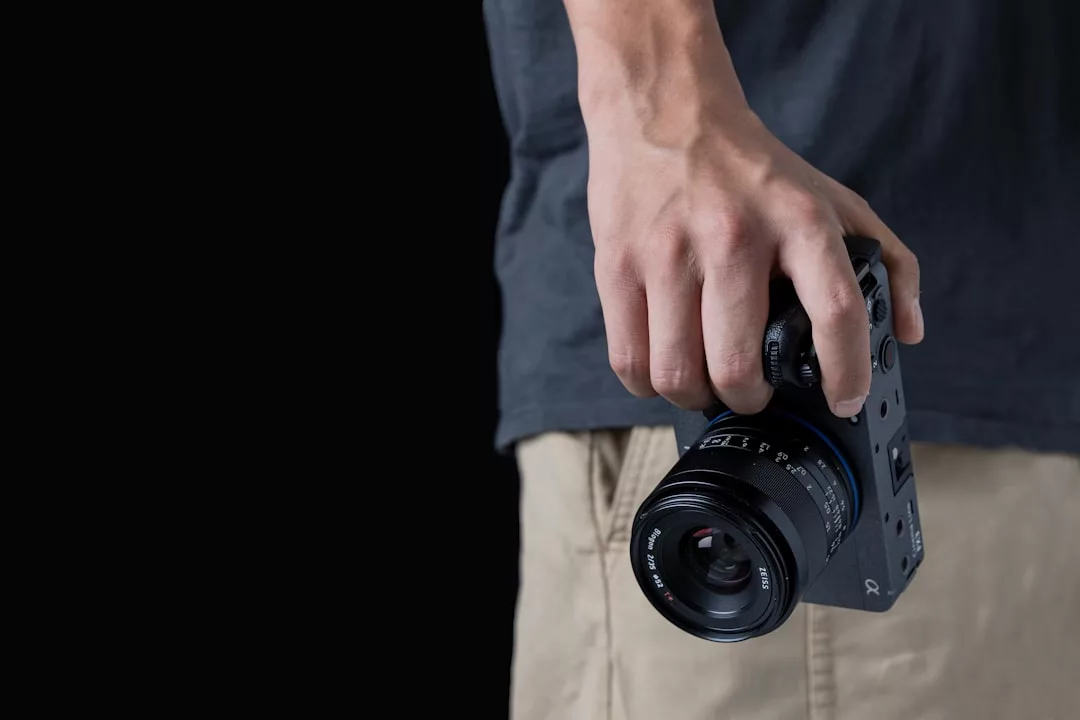
Selecting the right equipment and gear is crucial for any photography expedition, especially in a diverse environment like Es Trenc and Campos. A DSLR or mirrorless camera with interchangeable lenses will provide the versatility needed to capture both wide landscapes and detailed close-ups. A wide-angle lens is particularly useful for photographing expansive beach scenes or dramatic skies, while a macro lens can help capture intricate details in flora and fauna.
In addition to your camera body and lenses, consider bringing a sturdy tripod for stability during long exposure shots, especially during low-light conditions such as dawn or dusk. Filters can also be invaluable; a polarizing filter can reduce glare from water surfaces and enhance colors, while neutral density filters allow for longer exposures in bright conditions. Don’t forget extra batteries and memory cards, as well as a weatherproof bag to protect your gear from unexpected elements.
Capturing the Golden Hour
The golden hour—the period shortly after sunrise and before sunset—offers some of the most magical lighting conditions for photography. During this time, the sun casts a warm golden hue over landscapes, creating soft shadows and enhancing colors. At Es Trenc, this phenomenon transforms the beach into a canvas of vibrant hues, making it an ideal time for photographers to capture stunning seascapes.
To make the most of this fleeting moment, arrive at your chosen location early to set up your equipment and scout potential compositions. Pay attention to how the light interacts with different elements in your frame; reflections on water surfaces can create captivating images when captured at just the right angle. Experiment with various settings on your camera to achieve different effects—lowering your ISO can help reduce noise in low-light conditions while adjusting your aperture can control depth of field.
Exploring the Dunes
The dunes surrounding Es Trenc are not only visually striking but also provide an opportunity for unique photographic compositions. These natural formations are shaped by wind and time, creating undulating patterns that can add depth and texture to your images. As you explore the dunes, look for interesting lines and shapes that lead the viewer’s eye through your photograph. Capturing these moments requires patience; waiting for the right light can yield breathtaking results. Additionally, consider incorporating elements such as native plants or wildlife into your compositions to add context and interest to your photographs.
Wildlife Photography Opportunities
Es Trenc is not just about stunning landscapes; it also offers rich opportunities for wildlife photography. The area is home to various bird species, including flamingos, herons, and waders that frequent the wetlands adjacent to the beach. These birds provide excellent subjects for photographers looking to capture dynamic action shots or serene portraits in their natural habitat.
To increase your chances of capturing wildlife images, consider visiting during early morning or late afternoon when animals are most active. A telephoto lens will allow you to photograph birds from a distance without disturbing them, ensuring you capture their behavior authentically. Patience is key; waiting quietly for wildlife to appear can lead to rewarding moments that showcase the beauty of nature in action.
Capturing the Turquoise Waters
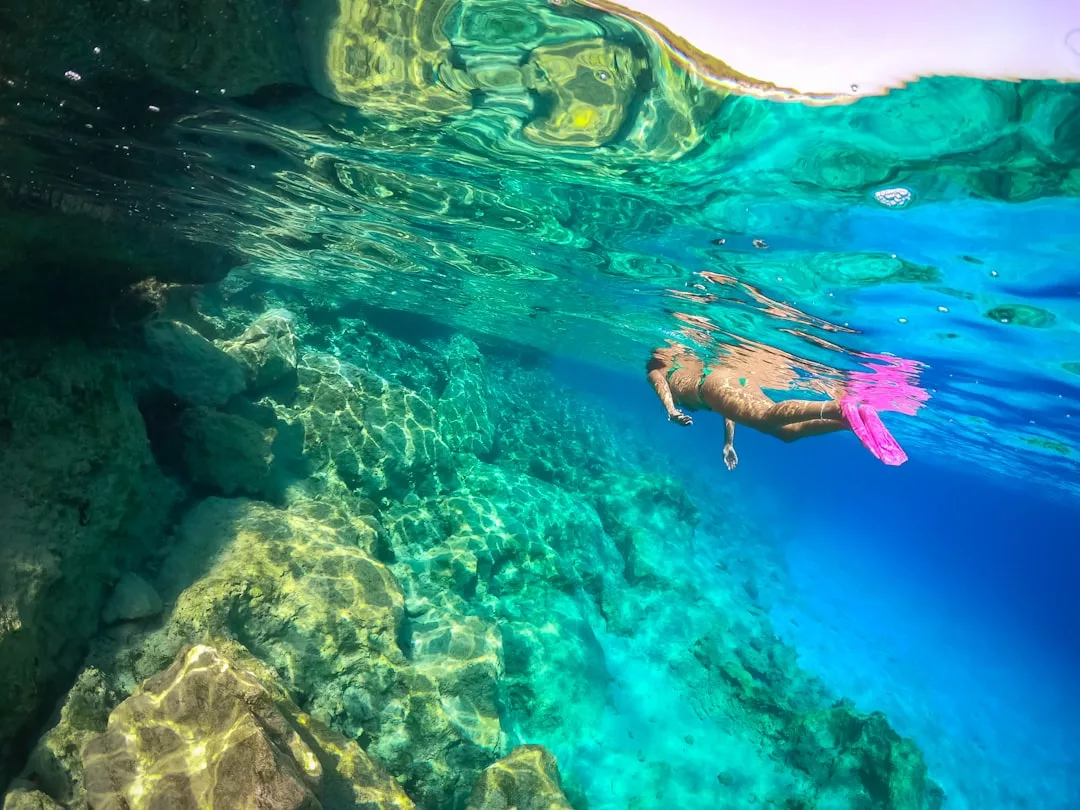
The striking turquoise waters of Es Trenc are one of its most defining features and present numerous opportunities for captivating photography. The clarity of the water allows for stunning underwater shots if you have access to waterproof housing for your camera or if you’re using an action camera like a GoPro. Snorkeling or swimming can reveal an entirely different world beneath the surface, filled with colorful marine life that adds vibrancy to your portfolio.
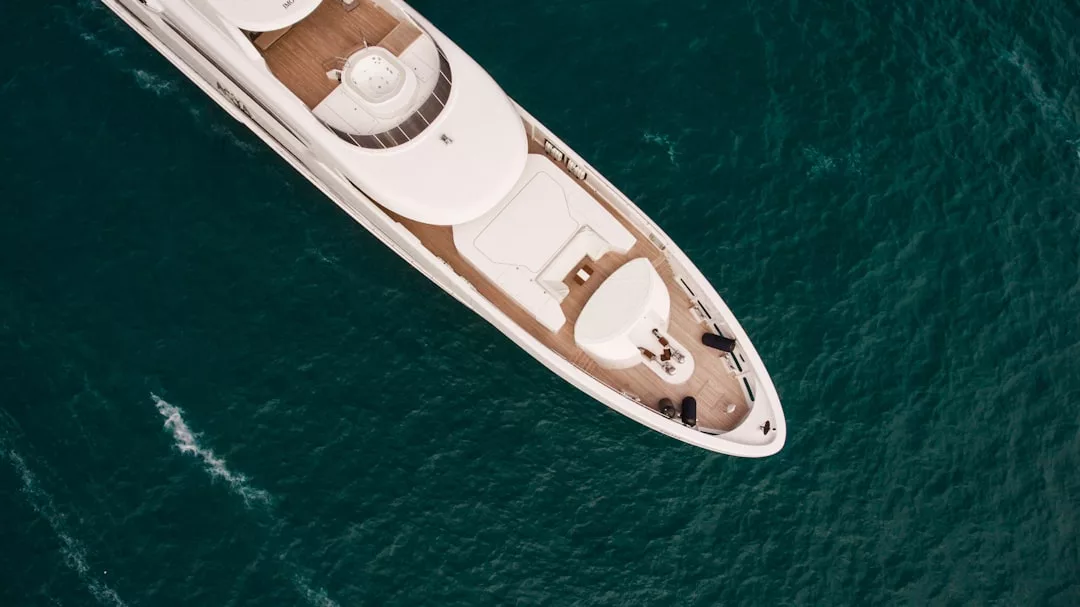
When photographing the water itself, consider experimenting with different angles and perspectives. Shooting from above can highlight patterns created by waves or currents, while getting low to the water’s edge can create dramatic foreground interest with reflections or splashes. Long exposure techniques can also be employed to create ethereal images where water appears smooth and silky against rocky shorelines or sandy beaches.

Composition and Framing Techniques
Effective composition is essential in photography; it guides the viewer’s eye and conveys your artistic vision. Utilizing techniques such as the rule of thirds can help create balanced images that draw attention to focal points within your frame. Positioning key elements along imaginary grid lines can lead to more dynamic compositions that engage viewers.
Additionally, consider using leading lines—natural pathways created by dunes, paths, or water—to guide the viewer’s gaze through your photograph. Framing techniques can also enhance your images; incorporating elements such as overhanging branches or rock formations can create depth and context within your shots. Experimenting with different perspectives—shooting from high above or down at ground level—can yield surprising results that elevate your photography.
Post-Processing Tips
Post-processing is an integral part of modern photography that allows you to enhance your images further after capturing them in-camera. Software like Adobe Lightroom or Photoshop provides powerful tools for adjusting exposure, contrast, saturation, and sharpness. Begin by organizing your images into folders based on location or subject matter; this will make it easier to find specific shots later on.
When editing your photos from Es Trenc and Campos, pay attention to color balance—ensuring that whites appear truly white can help maintain the natural beauty of your images. Use selective adjustments to enhance specific areas without affecting the entire image; this technique allows you to draw attention to focal points while maintaining overall harmony in your composition. Finally, consider applying subtle sharpening techniques to bring out details without introducing noise.
Preserving the Memories: Printing and Displaying Your Photos
Once you’ve captured and edited your photographs from Es Trenc and Campos, preserving these memories through printing is an excellent way to showcase your work. High-quality prints can transform digital images into tangible art pieces that can be displayed in homes or galleries. When selecting prints, consider using archival-quality paper that enhances color reproduction and longevity.
Displaying your photographs thoughtfully can elevate their impact; consider creating a gallery wall with a cohesive theme or color palette that reflects your experiences in Mallorca. Framing options should complement your images while protecting them from dust and UV damage. Additionally, sharing your work online through social media platforms or photography websites can connect you with other enthusiasts and provide valuable feedback on your artistic journey.
In conclusion, Es Trenc and Campos offer an abundance of photographic opportunities that cater to various interests—from stunning landscapes and wildlife encounters to cultural experiences steeped in tradition. By planning carefully, utilizing appropriate equipment, mastering composition techniques, and embracing post-processing methods, photographers can create lasting memories that celebrate the beauty of this remarkable region in Mallorca.