Designing luxury pools for fincas in Llucmajor
October 22, 2025
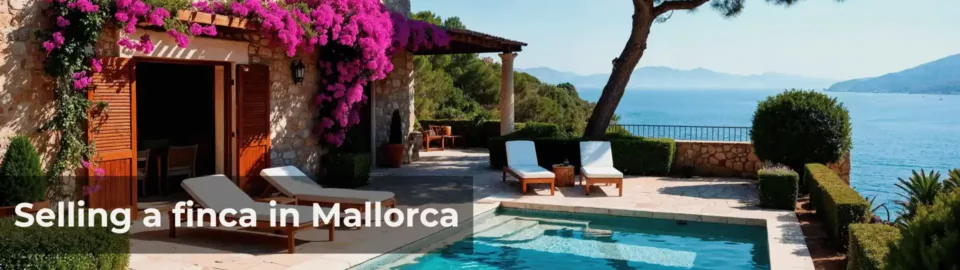
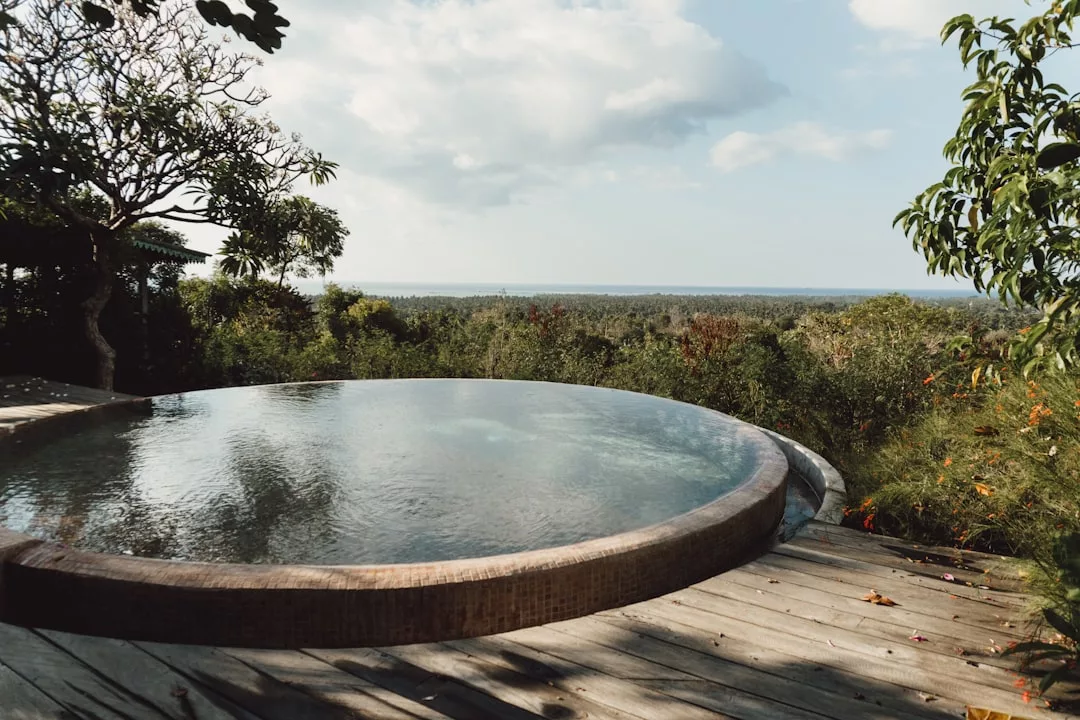
When embarking on the journey of designing a pool, it is imperative to first grasp the unique characteristics of the landscape and environment in which it will be situated. Each geographical location presents its own set of challenges and opportunities, influenced by factors such as climate, topography, and existing flora. For instance, a pool designed in a coastal area may need to withstand saltwater corrosion and high winds, while a pool in a mountainous region might require careful consideration of elevation changes and natural drainage patterns.
Understanding these elements not only informs the design process but also ensures that the pool harmonizes with its surroundings, enhancing the overall aesthetic appeal of the property. Moreover, the local climate plays a crucial role in determining the materials and features that will be most effective for the pool. In regions with high temperatures, for example, incorporating shaded areas or water features that promote cooling breezes can significantly enhance comfort.
Conversely, in cooler climates, designing a pool that can be heated or enclosed may be essential for maximizing usability throughout the year. By taking into account these environmental factors, designers can create a pool that not only looks stunning but also functions optimally within its specific context.
Key Takeaways
- Understanding the local landscape and environment is crucial for successful pool design
- Incorporating local materials and architectural styles can enhance the pool’s aesthetic and blend it with the surroundings
- Creating a seamless connection between the pool and the surrounding property enhances the overall experience
- Emphasizing privacy and exclusivity can elevate the luxury and appeal of the pool area
- Integrating innovative technology and features can enhance the functionality and enjoyment of the pool
Incorporating local materials and architectural styles
The integration of local materials and architectural styles into pool design is a powerful way to create a sense of place and authenticity. Utilizing materials that are native to the region not only supports local economies but also ensures that the pool blends seamlessly with its environment. For example, in a desert setting, using natural stone or adobe can evoke the area’s traditional architecture while providing durability against harsh weather conditions.
Similarly, in coastal regions, materials like teak or ipe wood can be used for decking, offering both aesthetic appeal and resistance to moisture. Architectural styles also play a significant role in shaping the design of a pool. A modern minimalist pool may feature clean lines and geometric shapes, while a Mediterranean-inspired design might incorporate curved edges and ornate tile work.
By aligning the pool’s design with the existing architectural language of the home and surrounding structures, designers can create a cohesive visual narrative that enhances the overall property. This thoughtful approach not only elevates the aesthetic quality of the space but also fosters a deeper connection between the pool and its surroundings.
Creating a seamless connection between the pool and the surrounding property
A well-designed pool should feel like an integral part of the property rather than an isolated feature. Achieving this seamless connection involves careful planning of sightlines, pathways, and landscaping. For instance, using similar materials for both the pool deck and adjacent patios can create visual continuity, making it difficult to discern where one space ends and another begins.
Additionally, strategically placed landscaping—such as low shrubs or ornamental grasses—can frame the pool area while providing a natural transition to the rest of the yard.
By designing these spaces with flow in mind, homeowners can enjoy a cohesive outdoor experience that invites relaxation and entertainment. The goal is to create an environment where the boundaries between indoor and outdoor living are blurred, allowing for a more immersive experience in nature.

Emphasizing privacy and exclusivity
In an era where personal space is increasingly valued, emphasizing privacy and exclusivity in pool design has become paramount. Homeowners often seek to create an oasis where they can unwind without feeling exposed to neighbors or passersby. This can be achieved through strategic landscaping, such as planting tall hedges or installing privacy screens that shield the pool area from view.
Additionally, incorporating features like pergolas or trellises adorned with climbing plants can provide both shade and seclusion. The layout of the property itself can also contribute to a sense of privacy. Positioning the pool away from busy streets or high-traffic areas allows for a more tranquil atmosphere.
Furthermore, designing the pool with varying depths or unique shapes can create nooks that feel more intimate. By prioritizing privacy in the design process, homeowners can cultivate an exclusive retreat that enhances their enjoyment of outdoor living.
Integrating innovative technology and features
The integration of innovative technology into pool design has revolutionized how homeowners interact with their outdoor spaces. From automated cleaning systems to smart lighting controls, technology can enhance both convenience and enjoyment. For instance, automated pool covers not only provide safety but also help maintain water temperature and cleanliness with minimal effort from homeowners.
Similarly, advanced filtration systems can ensure crystal-clear water while reducing chemical usage. Smart technology extends beyond maintenance; it also enhances the overall experience of using the pool. Homeowners can now control lighting, heating, and even water features through smartphone apps, allowing for personalized settings that cater to different moods or occasions.
For example, programmable LED lights can change colors to match a party theme or create a calming ambiance for evening swims. By embracing these technological advancements, designers can create pools that are not only functional but also tailored to meet the evolving needs of modern homeowners.
Focusing on sustainability and eco-friendly design
As environmental awareness continues to grow, incorporating sustainability into pool design has become increasingly important. Homeowners are now seeking ways to minimize their ecological footprint while still enjoying luxurious outdoor spaces. One effective approach is to utilize energy-efficient equipment, such as variable-speed pumps and solar heating systems, which significantly reduce energy consumption compared to traditional models.
Additionally, using eco-friendly materials—such as recycled glass tiles or sustainably sourced wood—can further enhance the sustainability of the project. Water conservation is another critical aspect of eco-friendly pool design. Implementing features like rainwater harvesting systems or greywater recycling can help reduce reliance on municipal water sources while maintaining optimal water levels in the pool.
Furthermore, designing pools with natural filtration systems—such as biofilters or aquatic plants—can promote biodiversity while minimizing chemical usage. By prioritizing sustainability in their designs, architects and homeowners alike can contribute to a healthier planet without sacrificing style or comfort.
Enhancing the pool with luxurious amenities and furnishings
To elevate the experience of poolside living, incorporating luxurious amenities and furnishings is essential. High-quality loungers, cabanas, and outdoor furniture not only enhance comfort but also add an element of sophistication to the space. For instance, investing in weather-resistant materials ensures that furnishings remain beautiful and functional year-round.
Additionally, features such as built-in seating areas or swim-up bars can transform a standard pool into a resort-like retreat. Beyond furniture, amenities such as outdoor kitchens or fire pits can create inviting spaces for entertaining guests or enjoying quiet evenings by the water. The addition of outdoor showers or changing rooms further enhances convenience and luxury, allowing for seamless transitions between swimming and relaxation.
By thoughtfully selecting amenities that cater to both comfort and style, homeowners can create an outdoor oasis that feels indulgent yet welcoming.

Incorporating water features and custom lighting
Water features play a pivotal role in enhancing the aesthetic appeal of pools while also providing soothing sounds that contribute to a tranquil atmosphere. Options such as waterfalls, fountains, or spillover spas can add visual interest while creating a serene ambiance that encourages relaxation. For example, a cascading waterfall not only serves as an eye-catching focal point but also masks noise from nearby streets or neighbors, further enhancing privacy.
Custom lighting is equally important in transforming the pool area into an enchanting space after sunset. Strategically placed underwater lights can illuminate the pool’s surface while creating mesmerizing reflections on surrounding surfaces. Additionally, incorporating ambient lighting around pathways and seating areas ensures safety while enhancing the overall atmosphere during evening gatherings.
By combining water features with thoughtful lighting design, homeowners can create an enchanting environment that invites enjoyment at all hours.
Designing for year-round use and enjoyment
To maximize the utility of a pool throughout all seasons, thoughtful design considerations are essential. In colder climates, incorporating features such as heating systems or retractable enclosures allows homeowners to enjoy their pools year-round without discomfort. Heated pools enable swimming even during chilly months, while enclosures protect against harsh weather conditions while providing additional safety.
In warmer climates where summer heat is prevalent, designing shaded areas through pergolas or strategically placed trees can enhance comfort during peak sun hours. Additionally, incorporating features like fire pits or outdoor heaters allows for cozy gatherings even on cooler evenings. By considering seasonal variations in climate during the design process, homeowners can ensure their pools remain inviting spaces for relaxation and recreation throughout the year.
Collaborating with landscape architects and designers
The complexity of creating an exceptional pool experience often necessitates collaboration with landscape architects and designers who specialize in outdoor spaces. These professionals bring valuable expertise in integrating pools into broader landscape designs while ensuring functionality and aesthetics align seamlessly with existing structures. Their knowledge of local flora allows for thoughtful plant selection that complements both the pool’s design and its surrounding environment.
Collaboration also extends to understanding zoning regulations and site-specific challenges that may arise during construction. Landscape architects can navigate these complexities while ensuring that all elements work harmoniously together—from hardscaping around the pool to soft landscaping that enhances privacy and beauty. By engaging experts in landscape architecture early in the design process, homeowners can achieve a cohesive vision that elevates their outdoor living experience.
Ensuring seamless integration with the overall property design and aesthetics
Finally, ensuring that the pool integrates seamlessly with the overall property design is crucial for creating a harmonious outdoor environment. This involves considering architectural styles, color palettes, and material choices throughout both indoor and outdoor spaces. For instance, if a home features modern architecture with clean lines and neutral tones, it would be beneficial for the pool design to reflect these elements through geometric shapes and complementary materials.
Additionally, attention should be paid to how landscaping interacts with both the home and pool area. Thoughtful placement of plants—such as low-maintenance perennials or ornamental grasses—can create visual continuity while enhancing curb appeal from various vantage points around the property. By prioritizing this integration throughout every stage of design—from initial concepts to final touches—homeowners can achieve an outdoor oasis that feels cohesive and thoughtfully curated within its broader context.