Farmhouse-to-plate lunches at restaurants in Campos
June 1, 2025

Farmhouse-to-plate dining embodies a philosophy that transcends mere sustenance; it is an experience steeped in authenticity and connection to the land. This culinary approach emphasizes the journey of food from its source—often a local farm—to the dining table, creating a narrative that enriches each meal. The charm lies not only in the freshness of the ingredients but also in the stories they tell.
Diners are invited to engage with the origins of their food, fostering a deeper appreciation for the labor and love that goes into each dish. This connection to the land and its stewards transforms a simple meal into a celebration of community and culture. Moreover, farmhouse-to-plate dining often takes place in settings that reflect rustic elegance, where the ambiance complements the ethos of the cuisine.
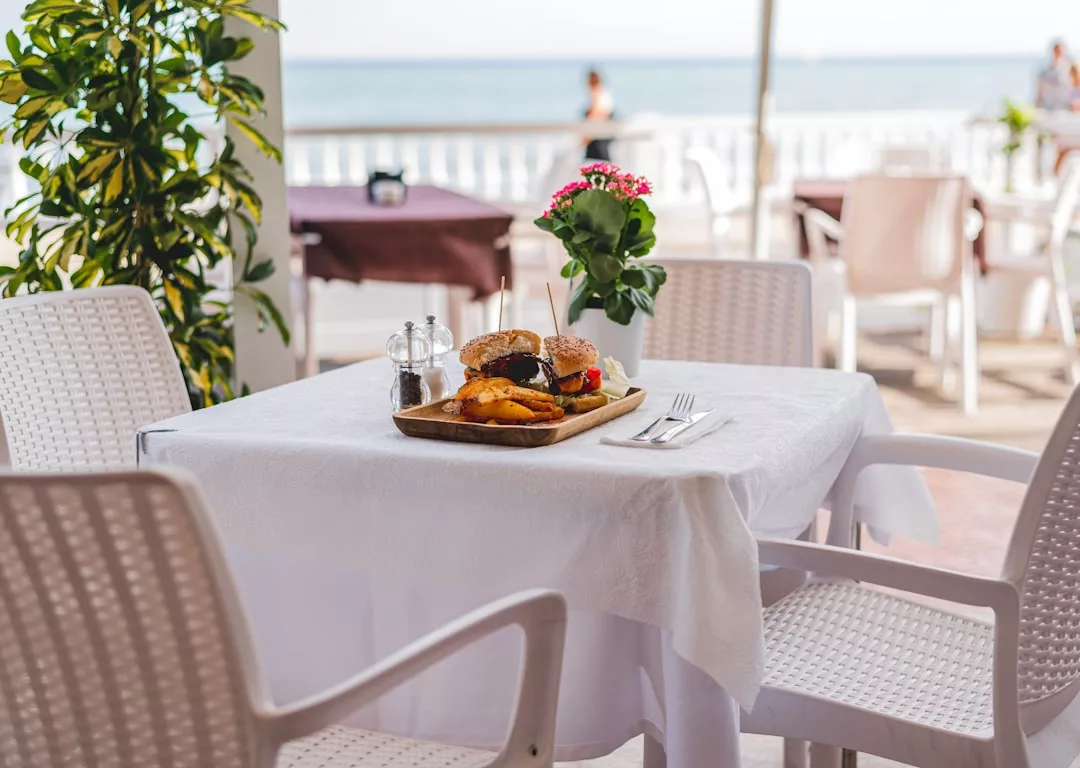
Imagine dining in a quaint restaurant adorned with wooden beams, vintage farm tools, and fresh flowers sourced from nearby gardens. The atmosphere is warm and inviting, encouraging patrons to linger over their meals and savor each bite. This intimate setting enhances the overall experience, making it not just about eating but about enjoying a moment in time that honors both tradition and innovation.
Key Takeaways
- Farmhouse-to-plate dining offers a charming and authentic culinary experience in Campos.
- The best restaurants in Campos offer delicious farmhouse-to-plate lunches with a focus on local and seasonal ingredients.
- The farm-to-table movement in Campos emphasizes the importance of supporting local farmers and producers.
- Traditional dishes with a modern twist are showcased on the menus of farmhouse-to-plate restaurants in Campos.
- Sustainability plays a crucial role in farmhouse-to-plate dining, reflecting a commitment to the environment and local community.
The Best Restaurants in Campos for Farmhouse-to-Plate Lunches
In Campos, a region known for its rich agricultural heritage, several restaurants stand out for their commitment to farmhouse-to-plate dining. One such establishment is “Sabor do Campo,” which prides itself on sourcing ingredients directly from local farms. The menu changes seasonally, reflecting the freshest produce available, and features dishes like roasted root vegetables drizzled with herb-infused olive oil and grilled meats seasoned with house-made spice blends.
Each plate tells a story of the land, showcasing the vibrant flavors that Campos has to offer. Another gem is “Culinária da Terra,” where the chef collaborates closely with local farmers to create a menu that celebrates traditional recipes while incorporating modern techniques. Diners can indulge in dishes such as slow-braised lamb shanks served with a side of creamy polenta made from locally milled corn.
The restaurant’s commitment to sustainability is evident not only in its ingredient sourcing but also in its waste reduction practices, making it a favorite among eco-conscious diners. The combination of delicious food and ethical practices makes these restaurants essential stops for anyone seeking an authentic farmhouse-to-plate experience in Campos.
A Focus on Local and Seasonal Ingredients
The essence of farmhouse-to-plate dining lies in its unwavering focus on local and seasonal ingredients. In Campos, this commitment is palpable as chefs curate their menus based on what is available at local markets and farms. This approach not only ensures peak freshness but also supports the local economy by fostering relationships between chefs and farmers.
For instance, during the summer months, diners can expect an abundance of heirloom tomatoes, zucchini, and fresh herbs, which are often transformed into vibrant salads or rustic ratatouille. Seasonality also plays a crucial role in flavor profiles. Ingredients harvested at their peak ripeness are more flavorful and nutrient-dense than those that have been transported long distances or stored for extended periods.
This principle is evident in dishes that highlight the natural sweetness of summer fruits or the earthy richness of root vegetables in fall. By embracing seasonal ingredients, restaurants in Campos not only enhance the dining experience but also educate patrons about the importance of eating in harmony with nature’s cycles.

The Farm-to-Table Movement in Campos
The farm-to-table movement has gained significant traction in Campos, driven by a growing awareness of food quality and sustainability among consumers. This movement advocates for transparency in food sourcing, encouraging diners to know where their food comes from and how it is produced. In Campos, this has led to an increase in restaurants that prioritize direct relationships with local farmers, ensuring that ingredients are not only fresh but also ethically produced.
As part of this movement, many establishments host events such as farm tours or cooking classes that allow diners to engage directly with the agricultural community. These experiences deepen the connection between consumers and producers, fostering a sense of responsibility towards supporting local agriculture. Additionally, many restaurants are now incorporating educational elements into their menus, providing information about the farms they source from and the practices employed to cultivate their ingredients.
This transparency not only enhances the dining experience but also empowers consumers to make informed choices about their food.
The Importance of Supporting Local Farmers and Producers
Supporting local farmers and producers is integral to the success of the farmhouse-to-plate dining model. By choosing to source ingredients locally, restaurants contribute to the sustainability of their communities while ensuring that diners receive high-quality food. Local farmers often employ sustainable practices that prioritize soil health and biodiversity, which are essential for long-term agricultural viability.
When restaurants commit to purchasing from these farmers, they help create a market for responsibly grown produce. Moreover, this support fosters economic resilience within the community. Local farms provide jobs and stimulate economic activity, which can have a ripple effect throughout the region.
When diners choose to eat at restaurants that prioritize local sourcing, they are not just enjoying a meal; they are investing in their community’s future. This symbiotic relationship between restaurants and farmers cultivates a thriving local food system that benefits everyone involved—from producers to consumers.
Exploring the Menu: Traditional Dishes with a Modern Twist
The menus at farmhouse-to-plate restaurants in Campos often feature traditional dishes reimagined through modern culinary techniques. Chefs draw inspiration from regional recipes passed down through generations while incorporating contemporary flavors and presentation styles. For example, a classic feijoada—a hearty black bean stew traditionally made with various cuts of pork—might be elevated with artisanal sausages or served alongside a refreshing citrus salad that adds brightness to the dish. This creative approach not only honors culinary heritage but also invites diners to experience familiar flavors in new ways. The result is a menu that feels both nostalgic and innovative, appealing to a wide range of palates while celebrating the rich culinary tapestry of Campos.
The Role of Sustainability in Farmhouse-to-Plate Dining
Sustainability is at the heart of farmhouse-to-plate dining, influencing every aspect from ingredient sourcing to waste management practices. Restaurants in Campos are increasingly adopting eco-friendly initiatives that minimize their environmental impact while promoting responsible consumption. Many establishments have implemented composting programs to reduce food waste or utilize biodegradable packaging for takeout orders. This commitment to sustainability extends beyond just food sourcing; it encompasses energy use, water conservation, and community engagement as well. By prioritizing sustainable practices, these restaurants not only contribute to environmental stewardship but also inspire diners to consider their own impact on the planet.
A Culinary Journey Through Campos’ Agricultural Landscape
Dining at farmhouse-to-plate restaurants in Campos offers more than just a meal; it provides a culinary journey through the region’s diverse agricultural landscape. As diners savor each dish, they are transported through the seasons and terrains that shape the local cuisine. Fields of vibrant vegetables, orchards bursting with fruit, and pastures where livestock graze all contribute to the rich tapestry of flavors found on their plates.
This journey is often reflected in tasting menus that showcase a progression of dishes inspired by different aspects of Campos’ agriculture. For instance, a meal might begin with an appetizer featuring fresh greens harvested from nearby farms, followed by a main course highlighting locally raised meats paired with seasonal vegetables. Each course tells a story of place and time, allowing diners to appreciate not only what they are eating but also where it comes from.

The Art of Food Presentation in Farmhouse-to-Plate Restaurants
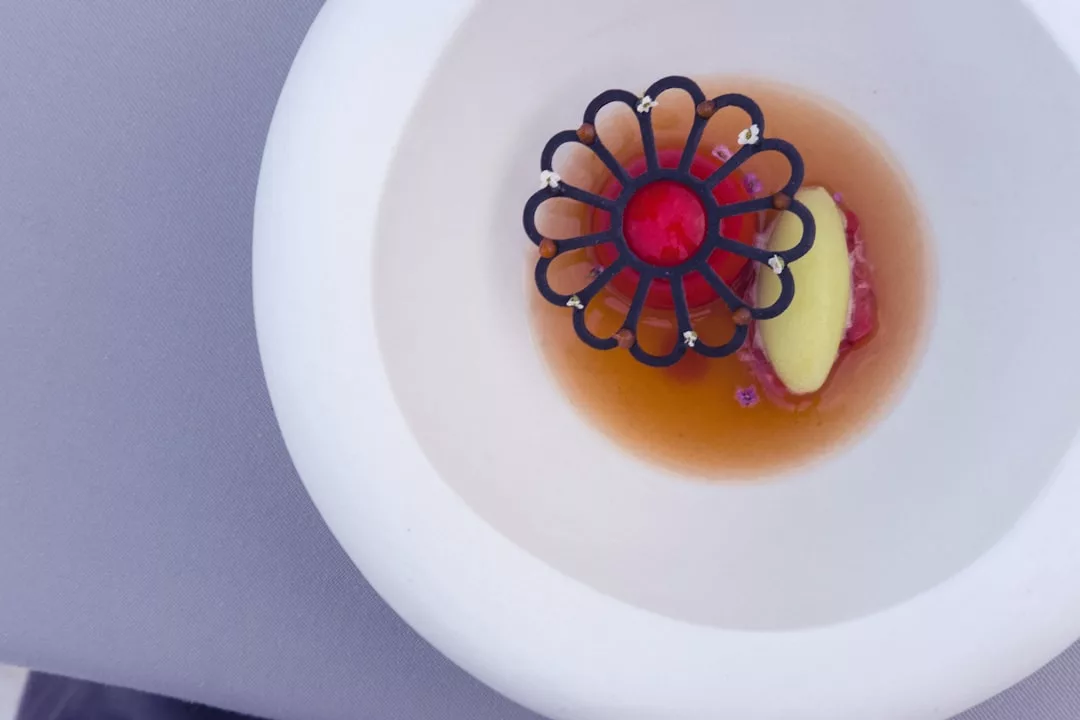
In farmhouse-to-plate dining, food presentation plays a crucial role in enhancing the overall experience. Chefs understand that visual appeal can elevate a meal from ordinary to extraordinary, transforming each dish into a work of art. In Campos, this artistic approach often reflects the natural beauty of the ingredients themselves—vibrant colors, varied textures, and thoughtful arrangements come together to create visually stunning plates.
For example, a dish featuring heirloom tomatoes might be presented alongside delicate microgreens and edible flowers, creating a vibrant tableau that celebrates the bounty of summer. Similarly, rustic wooden boards may be used for serving charcuterie or cheese platters, emphasizing the farm-fresh quality of each item while inviting diners to share and engage with their food. This attention to detail not only enhances the aesthetic appeal but also reinforces the connection between food and nature.
The Unique Flavors of Campos: A Culinary Exploration
The culinary landscape of Campos is characterized by its unique flavors that reflect both its agricultural bounty and cultural influences. Traditional Brazilian ingredients such as cassava, tropical fruits, and various herbs play prominent roles in local cuisine, often combined with techniques brought by immigrant communities over generations. This fusion creates a rich tapestry of flavors that is distinctly Campos.
Diners can explore these unique flavors through dishes like moqueca—a traditional fish stew made with coconut milk and palm oil—reimagined with locally caught seafood or served alongside artisanal bread baked using ancient grains sourced from nearby farms. Each bite offers an opportunity to discover new tastes while honoring the region’s culinary heritage. The exploration of flavors becomes an adventure for diners as they navigate through familiar tastes presented in innovative ways.
Tips for Enjoying a Memorable Farmhouse-to-Plate Lunch in Campos
To fully appreciate a farmhouse-to-plate lunch in Campos, diners should consider several tips that enhance their experience. First and foremost, engaging with staff about ingredient sourcing can provide valuable insights into the restaurant’s commitment to local producers. Asking questions about seasonal specials or recommended pairings can lead to delightful discoveries.
Additionally, taking time to savor each course allows diners to fully appreciate the flavors and craftsmanship behind each dish. Pairing meals with local wines or craft beverages can further elevate the experience by complementing the unique flavors found in each dish. Lastly, embracing the communal aspect of dining—whether sharing plates or engaging in conversation with fellow diners—can create lasting memories that extend beyond just the meal itself.
By immersing oneself in the rich tapestry of farmhouse-to-plate dining in Campos, patrons not only enjoy exceptional cuisine but also become part of a larger narrative that celebrates community, sustainability, and culinary artistry.