Financing coastal restoration projects near Portocolom
January 13, 2025
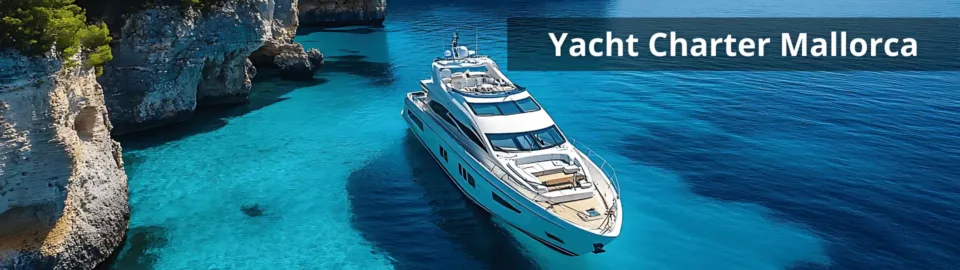
Portocolom, a picturesque fishing village located on the southeastern coast of Mallorca, Spain, is renowned for its stunning natural harbor and vibrant marine life. The town, with its charming streets and traditional Mediterranean architecture, attracts tourists and locals alike, drawn by its serene beaches and rich cultural heritage. However, the coastal ecosystem surrounding Portocolom faces significant challenges that threaten its ecological balance and the livelihoods of the community.
Over the years, factors such as pollution, climate change, and unsustainable tourism practices have led to the degradation of vital coastal habitats, necessitating urgent restoration efforts. The need for coastal restoration in Portocolom is underscored by the increasing frequency of extreme weather events and rising sea levels, which have exacerbated erosion and habitat loss. The local community, heavily reliant on fishing and tourism, is acutely aware of the implications of a deteriorating coastal environment.
As marine biodiversity declines and water quality deteriorates, the economic stability of Portocolom hangs in the balance. Therefore, addressing these restoration needs is not merely an environmental concern; it is a matter of preserving the community’s cultural identity and economic viability.
Key Takeaways
- Portocolom is in need of coastal restoration due to environmental degradation and its impact on the community.
- The current state of the coastal ecosystem in Portocolom is negatively affecting the community, including economic and environmental impacts.
- Financing coastal restoration projects in Portocolom is crucial for the long-term sustainability of the coastal ecosystem and the well-being of the community.
- Challenges and obstacles in funding coastal restoration projects include limited resources, competing priorities, and bureaucratic processes.
- Potential sources of funding for coastal restoration projects in Portocolom include government initiatives, private sector investment, and community involvement through crowdfunding.
Current state of the coastal ecosystem and its impact on the community
The coastal ecosystem of Portocolom is characterized by a diverse array of habitats, including sandy beaches, rocky shorelines, and seagrass meadows. However, the current state of these habitats is alarming.
Overfishing has led to a decline in fish populations, while pollution from agricultural runoff and urban development has compromised water quality. Additionally, invasive species have disrupted local ecosystems, further threatening native marine life. The impact of this ecological decline on the community is profound.
Fishermen in Portocolom have reported dwindling catches, leading to economic uncertainty for families that have relied on fishing for generations. The tourism sector, which thrives on the natural beauty and biodiversity of the area, is also at risk. Tourists are increasingly seeking destinations that prioritize environmental sustainability; thus, a degraded coastal environment could deter visitors and diminish revenue for local businesses.
The interconnectedness of the ecosystem and the community underscores the urgency of implementing effective coastal restoration initiatives.
Importance of financing coastal restoration projects in Portocolom
Financing coastal restoration projects in Portocolom is crucial for several reasons. First and foremost, adequate funding enables the implementation of scientifically informed restoration strategies that can effectively rehabilitate damaged ecosystems. These projects often require specialized expertise and resources to assess ecological conditions, design interventions, and monitor outcomes over time.
Without sufficient financial backing, these essential activities may be neglected or inadequately executed. Moreover, investing in coastal restoration has far-reaching benefits that extend beyond environmental recovery. Healthy coastal ecosystems contribute to enhanced tourism experiences, improved fisheries productivity, and increased resilience against climate change impacts.
By securing funding for restoration projects, Portocolom can not only revitalize its natural environment but also stimulate economic growth and job creation within the community. The potential return on investment from restored ecosystems can be substantial, making financing a critical component of sustainable development in the region.
Challenges and obstacles in funding coastal restoration projects
Despite the clear need for funding coastal restoration projects in Portocolom, several challenges hinder progress. One significant obstacle is the competition for limited financial resources among various environmental initiatives. Local governments often face budget constraints and must prioritize funding across multiple sectors, including education, healthcare, and infrastructure.
As a result, coastal restoration projects may struggle to secure necessary funding amidst competing demands. Additionally, there is often a lack of awareness or understanding among stakeholders about the long-term benefits of investing in coastal restoration. While immediate economic concerns may dominate discussions, the value of healthy ecosystems can be overlooked.
This disconnect can lead to insufficient political will to allocate funds for restoration efforts. Furthermore, bureaucratic hurdles can complicate the funding process; navigating grant applications and compliance requirements can be daunting for local organizations seeking financial support.
Potential sources of funding for coastal restoration projects
Identifying potential sources of funding for coastal restoration projects in Portocolom is essential for overcoming financial barriers. One promising avenue is European Union (EU) funding programs aimed at environmental conservation and sustainable development. Initiatives such as the European Maritime and Fisheries Fund (EMFF) provide financial support for projects that promote sustainable fisheries management and marine conservation efforts.
In addition to EU funding, national government grants can also play a vital role in financing restoration initiatives. Spain has various programs dedicated to environmental protection that local governments can tap into for support. Non-governmental organizations (NGOs) focused on marine conservation may also offer grants or partnership opportunities to bolster restoration efforts in Portocolom.
Philanthropic foundations dedicated to environmental causes represent another potential source of funding. Many organizations are increasingly recognizing the importance of coastal ecosystems and are willing to invest in projects that demonstrate clear ecological benefits. By leveraging these diverse funding sources, Portocolom can enhance its capacity to implement effective coastal restoration strategies.
Government initiatives and grants for coastal restoration in Portocolom
The Spanish government has recognized the importance of coastal conservation and has established various initiatives aimed at supporting restoration efforts across the country. In particular, programs under the Ministry for Ecological Transition focus on promoting sustainable management of marine resources and protecting vulnerable coastal areas. These initiatives often include grant opportunities specifically designed for local governments and organizations engaged in restoration projects.
In addition to national programs, regional authorities in Mallorca have developed their own strategies to address coastal degradation. The Balearic Islands government has launched initiatives aimed at preserving marine biodiversity and enhancing resilience against climate change impacts. These programs often provide financial assistance for local communities seeking to implement restoration projects that align with broader environmental goals.
Furthermore, collaboration between government agencies and local stakeholders can enhance access to funding opportunities. By fostering partnerships between municipalities, NGOs, and research institutions, Portocolom can create a unified approach to securing grants and implementing effective restoration strategies.
Private sector investment opportunities for coastal restoration projects
The private sector can play a pivotal role in financing coastal restoration projects in Portocolom through various investment opportunities. Companies with a vested interest in sustainable practices may seek to support environmental initiatives as part of their corporate social responsibility (CSR) strategies. By partnering with local organizations or government agencies, businesses can contribute financially to restoration efforts while enhancing their brand image and community relations.
Moreover, ecotourism presents a unique opportunity for private sector investment in coastal restoration. As travelers increasingly prioritize sustainability in their travel choices, businesses that promote eco-friendly practices can attract environmentally conscious tourists. Investing in coastal restoration not only helps preserve natural resources but also enhances the overall appeal of Portocolom as a tourist destination.
Impact investing is another avenue through which private sector funds can be directed toward coastal restoration projects. Investors seeking both financial returns and positive environmental outcomes may be interested in supporting initiatives that demonstrate measurable ecological benefits. By aligning financial interests with environmental goals, private sector investment can significantly bolster funding for restoration efforts in Portocolom.
Community involvement and crowdfunding for coastal restoration efforts
Community involvement is essential for successful coastal restoration projects in Portocolom. Engaging local residents fosters a sense of ownership over environmental initiatives and encourages active participation in restoration activities. Community-led efforts can take various forms, including volunteer clean-up events, educational workshops on sustainable practices, and citizen science programs that involve residents in monitoring local ecosystems.
Crowdfunding has emerged as an innovative way to mobilize community support for coastal restoration efforts. Online platforms allow individuals to contribute financially to specific projects that resonate with them personally. By leveraging social media and local networks, project organizers can raise awareness about the importance of restoring Portocolom’s coastal ecosystems while generating funds from community members who are passionate about preserving their environment.
Successful crowdfunding campaigns often highlight tangible goals and outcomes that resonate with potential donors. For instance, a campaign focused on restoring seagrass meadows could emphasize the benefits of improved water quality and enhanced fish populations—key elements that directly impact both the environment and local livelihoods. By fostering community engagement through crowdfunding initiatives, Portocolom can build momentum for its coastal restoration efforts while strengthening social ties among residents.

Case studies of successful coastal restoration projects and their funding sources
Examining successful case studies of coastal restoration projects can provide valuable insights into effective funding strategies and implementation approaches. One notable example is the “Living Shorelines” project along the U.S. East Coast, which focuses on restoring natural habitats while providing protection against erosion and storm surges.
Funded through a combination of federal grants, state programs, and private donations, this initiative has demonstrated how collaborative efforts can yield significant ecological benefits while engaging local communities. Another compelling case study is found in Australia’s Great Barrier Reef Restoration Program, which aims to rehabilitate coral reefs through innovative techniques such as coral gardening and artificial reefs. This project has attracted funding from various sources, including government grants, philanthropic contributions, and partnerships with private companies invested in marine conservation.
The success of these initiatives highlights the importance of diversifying funding sources while fostering collaboration among stakeholders. By learning from these examples, Portocolom can develop tailored strategies that align with its unique ecological context while maximizing available funding opportunities for its own coastal restoration projects.
The economic and environmental benefits of financing coastal restoration projects
Financing coastal restoration projects in Portocolom offers numerous economic benefits that extend beyond immediate ecological improvements. Restored ecosystems contribute to enhanced fisheries productivity by providing critical habitats for juvenile fish species.
Moreover, healthy coastal ecosystems serve as natural buffers against climate change impacts such as storm surges and flooding. By investing in restoration efforts that enhance resilience against these threats, Portocolom can reduce potential damages to infrastructure and property—ultimately saving costs associated with disaster recovery efforts. From an environmental perspective, financing coastal restoration leads to improved water quality through reduced pollution runoff and enhanced habitat diversity.
Restored habitats such as wetlands and seagrass meadows play a crucial role in carbon sequestration—mitigating climate change impacts while supporting biodiversity conservation efforts.
the way forward for financing coastal restoration projects in Portocolom
As Portocolom grapples with pressing challenges related to its coastal ecosystem’s health, it becomes increasingly clear that financing coastal restoration projects is not just an option but a necessity for ensuring long-term sustainability. By leveraging diverse funding sources—ranging from government grants to private sector investments—Portocolom can embark on a comprehensive approach to restoring its natural environment while simultaneously bolstering its economy. Community involvement will be pivotal in driving these efforts forward; engaging residents through educational initiatives and crowdfunding campaigns will foster a sense of shared responsibility toward preserving their unique coastal heritage.
By learning from successful case studies around the world and adapting those lessons to fit local contexts, Portocolom can chart a path toward revitalizing its coastlines—ensuring that future generations inherit a thriving ecosystem that supports both nature and community well-being.