Fine-dining Peruvian restaurants in Portocolom
December 22, 2025

In recent years, Portocolom, a picturesque fishing village on the eastern coast of Mallorca, has witnessed a culinary transformation that has brought Peruvian cuisine to the forefront. This rise can be attributed to a growing global interest in diverse culinary traditions, coupled with the unique flavors and ingredients that Peruvian cuisine offers. As travelers and locals alike seek new gastronomic experiences, the vibrant and multifaceted nature of Peruvian food has captured their attention.
The influx of Peruvian chefs and restaurateurs has played a significant role in this culinary renaissance, introducing traditional dishes and innovative interpretations that resonate with the local palate. The establishment of fine-dining Peruvian restaurants in Portocolom has not only enriched the local dining scene but has also fostered a cultural exchange. These restaurants serve as a bridge between Peru’s rich culinary heritage and the Mediterranean lifestyle of Mallorca.
By incorporating local ingredients and flavors into traditional Peruvian recipes, chefs are creating a unique fusion that appeals to both locals and tourists. This blending of cultures is evident in the menus, which often feature dishes that pay homage to Peru’s indigenous roots while embracing the fresh produce available in the region. As a result, Peruvian cuisine is no longer an obscure culinary niche but a celebrated part of Portocolom’s gastronomic landscape.
Key Takeaways
- Peruvian cuisine is on the rise in Portocolom, offering a unique and diverse culinary experience.
- Fine-dining Peruvian restaurants showcase the unique flavors of Peruvian cuisine through innovative and creative dishes.
- The ambiance and decor of Peruvian fine-dining establishments reflect the rich cultural heritage of Peru, creating a unique dining experience.
- Signature dishes at Peruvian fine-dining restaurants highlight the diverse and flavorful ingredients of Peruvian cuisine.
- Peruvian culture influences the dining experience at fine-dining restaurants in Portocolom, creating a fusion of tradition and innovation.
The Unique Flavors of Fine-dining Peruvian Restaurants
Peruvian cuisine is renowned for its bold and diverse flavors, which stem from a rich tapestry of cultural influences, including indigenous, Spanish, African, and Asian elements. Fine-dining Peruvian restaurants in Portocolom showcase this complexity through meticulously crafted dishes that highlight the country’s unique ingredients. One of the most iconic components of Peruvian cuisine is its use of fresh seafood, particularly in dishes like ceviche.
The combination of fresh fish marinated in citrus juices, often accompanied by a medley of herbs and spices, creates a refreshing and vibrant dish that tantalizes the taste buds. In addition to seafood, Peruvian cuisine is characterized by its use of native ingredients such as quinoa, potatoes, and a variety of chili peppers. These elements contribute to the depth of flavor found in dishes like causa, a layered potato dish often filled with avocado and seafood.
The interplay of textures and flavors—creamy, spicy, tangy—creates an unforgettable dining experience. Furthermore, fine-dining establishments often elevate these traditional dishes by incorporating modern cooking techniques and artistic presentations, transforming them into culinary masterpieces that reflect both tradition and innovation.
The Ambiance and Decor of Peruvian Fine-dining Establishments
The ambiance of fine-dining Peruvian restaurants in Portocolom plays a crucial role in enhancing the overall dining experience. Many establishments draw inspiration from Peru’s rich cultural heritage, incorporating elements that reflect its history and traditions.
This thoughtful curation creates an inviting atmosphere that transports diners to Peru while still feeling at home in Mallorca. Lighting also plays a significant role in setting the mood within these restaurants. Soft, warm lighting complements the colorful dishes being served, creating an intimate setting perfect for enjoying a leisurely meal.
Additionally, many fine-dining establishments feature open kitchens or chef’s tables, allowing guests to witness the culinary artistry firsthand. This transparency not only enhances the dining experience but also fosters a connection between diners and chefs, emphasizing the skill and passion that goes into each dish.
The Signature Dishes of Peruvian Fine-dining Restaurants
Signature dishes at fine-dining Peruvian restaurants in Portocolom often reflect the country’s diverse culinary landscape while showcasing the chefs’ creativity. One such dish is the classic ceviche, which varies from region to region in Peru.
This dish exemplifies the freshness and vibrancy that define Peruvian cuisine. Another standout dish is lomo saltado, a stir-fry that marries Peruvian ingredients with Asian influences. Tender strips of beef are sautéed with onions, tomatoes, and soy sauce, served alongside crispy fries and rice.
This fusion reflects the historical migration patterns that have shaped Peru’s culinary identity. Additionally, many fine-dining establishments offer innovative takes on traditional dishes, such as quinoa risotto or deconstructed causa, allowing diners to experience familiar flavors in new and exciting ways.
The Influence of Peruvian Culture on Fine-dining Restaurants in Portocolom
Peruvian culture is deeply intertwined with its culinary practices, and this influence is palpable in fine-dining restaurants throughout Portocolom. The emphasis on communal dining reflects Peru’s social fabric; meals are often seen as an opportunity to gather with family and friends. Many restaurants embrace this ethos by offering shared plates or tasting menus that encourage diners to explore a variety of flavors together.
Moreover, the celebration of local festivals and traditions is often mirrored in the restaurant’s offerings. For instance, during national holidays or festivals like Inti Raymi (Festival of the Sun), special menus may be created to honor traditional dishes associated with these events. This cultural connection not only enriches the dining experience but also educates patrons about Peru’s vibrant heritage, fostering appreciation for its culinary diversity.
The Wine and Cocktail Selection at Peruvian Fine-dining Restaurants
An essential aspect of any fine-dining experience is the beverage selection, and Peruvian restaurants in Portocolom excel in offering an array of wines and cocktails that complement their dishes beautifully. The wine list often features selections from both Peru and other renowned wine regions around the world. Peruvian wines have gained recognition for their quality, particularly those produced in regions like Ica and Arequipa.
These wines often pair well with traditional dishes; for example, a crisp white wine can enhance the citrus notes in ceviche. Cocktails are another highlight at these establishments, with pisco sour being a quintessential offering. This classic Peruvian cocktail combines pisco (a grape brandy), lime juice, simple syrup, egg white, and bitters to create a frothy and refreshing drink that perfectly balances sweetness and acidity.
Many fine-dining restaurants take pride in crafting unique variations of this cocktail or introducing other traditional drinks like chilcano or maracuyá sour, showcasing Peru’s rich cocktail culture while providing guests with an authentic taste of Peru.
The Importance of Fresh Ingredients in Peruvian Fine-dining Cuisine
Freshness is paramount in Peruvian fine-dining cuisine, where high-quality ingredients are essential for creating authentic flavors. Many restaurants prioritize sourcing local produce and seafood to ensure that each dish reflects the best of what both Peru and Mallorca have to offer. This commitment to freshness not only enhances flavor but also supports local farmers and fishermen, fostering sustainable practices within the community.
Incorporating seasonal ingredients allows chefs to experiment with new flavors while maintaining authenticity. For instance, during summer months when tomatoes are at their peak ripeness, chefs may create vibrant salads or salsas that highlight this ingredient’s natural sweetness. Similarly, fresh herbs like cilantro and rocoto peppers are often used to elevate dishes with their aromatic qualities.
By focusing on fresh ingredients, fine-dining Peruvian restaurants in Portocolom create dishes that are not only delicious but also reflective of their commitment to quality.
The Role of Presentation in Peruvian Fine-dining Restaurants
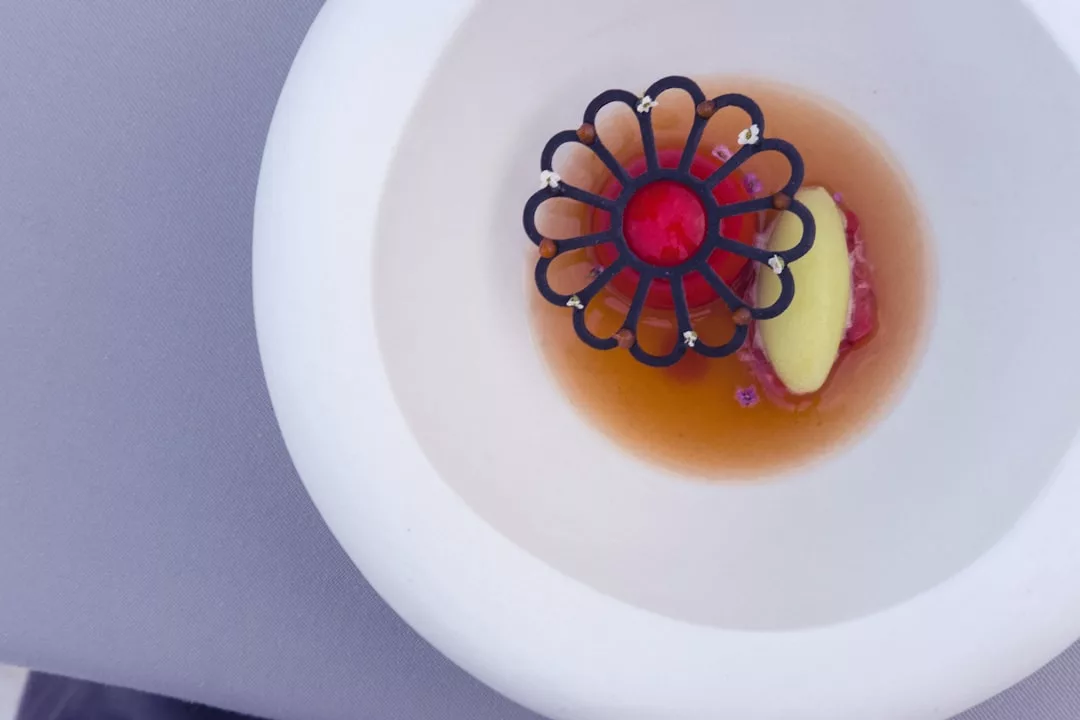
In fine dining, presentation is as crucial as flavor; it transforms a meal into an art form. Peruvian fine-dining establishments take great care in plating their dishes to create visually stunning presentations that entice diners before they even take their first bite. Chefs often employ techniques such as layering ingredients or using vibrant garnishes to enhance visual appeal while maintaining balance on the plate.
The use of color is particularly significant in Peruvian cuisine; bright hues from ingredients like purple potatoes or yellow chili sauces can create striking contrasts against more neutral backgrounds. Additionally, many chefs incorporate elements inspired by traditional Peruvian art or textiles into their presentations, further connecting diners to the culture behind the food they are enjoying. This attention to detail not only elevates the dining experience but also reflects the artistry involved in crafting each dish.

The Culinary Techniques Used in Peruvian Fine-dining Cuisine
The culinary techniques employed in fine-dining Peruvian cuisine are diverse and reflect both traditional practices and modern innovations. Techniques such as marinating fish for ceviche or slow-cooking meats for stews showcase time-honored methods passed down through generations. These techniques emphasize flavor development while respecting the integrity of each ingredient.
In addition to traditional methods, many chefs incorporate contemporary cooking techniques such as sous-vide or molecular gastronomy to enhance their dishes further. For example, sous-vide cooking allows for precise temperature control when preparing proteins like beef or chicken, resulting in perfectly tender textures that elevate classic dishes like lomo saltado. Molecular gastronomy techniques may be used to create unique textures or flavor experiences—such as foams or gels—that surprise diners while maintaining the essence of traditional flavors.
The Service and Hospitality at Peruvian Fine-dining Restaurants
Service excellence is a hallmark of fine dining, and Peruvian restaurants in Portocolom strive to provide an exceptional level of hospitality that reflects their cultural values. Staff members are often trained not only in food service but also in sharing knowledge about the dishes being served—an essential aspect when introducing diners to unfamiliar flavors or ingredients. This educational approach fosters a deeper appreciation for the cuisine while enhancing the overall dining experience.
Moreover, many establishments emphasize personalized service; waitstaff may take time to engage with guests about their preferences or dietary restrictions before recommending specific dishes or pairings. This attention to detail creates an inviting atmosphere where diners feel valued and cared for throughout their meal. Such hospitality is rooted in Peru’s cultural emphasis on community and connection—values that resonate strongly within these fine-dining establishments.
The Future of Peruvian Fine-dining in Portocolom
As interest in global cuisines continues to grow among diners worldwide, the future of Peruvian fine dining in Portocolom appears promising. With an increasing number of chefs exploring innovative ways to present traditional dishes while incorporating local ingredients from Mallorca’s rich agricultural landscape, there is ample opportunity for growth within this culinary niche. Furthermore, as more travelers seek authentic experiences during their visits to Mallorca, fine-dining Peruvian restaurants are well-positioned to attract both locals and tourists alike.
The potential for collaboration between local chefs and those from Peru could lead to exciting culinary fusions that further enrich Portocolom’s dining scene. As these establishments continue to evolve—embracing sustainability practices while honoring tradition—their influence will likely extend beyond just food; they will serve as cultural ambassadors for Peru’s vibrant heritage within this charming Mediterranean village. With each new dish served and every cocktail crafted with care, fine-dining Peruvian restaurants will undoubtedly play an integral role in shaping Portocolom’s gastronomic future.