Fine wine tours in Binissalem: top wineries in Mallorca’s heartland
January 26, 2025

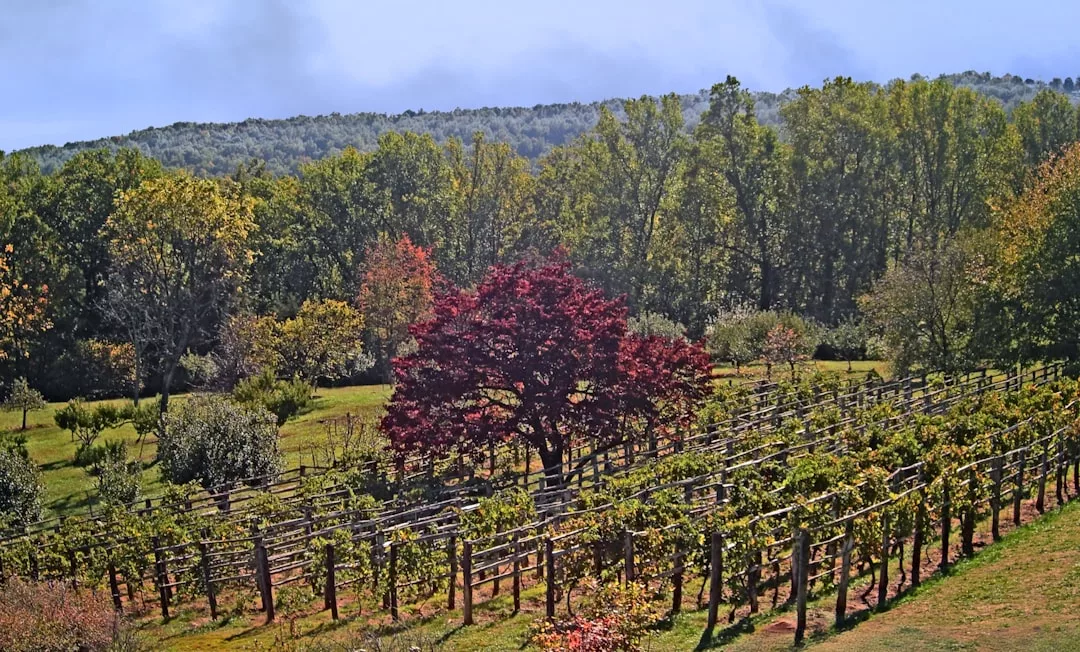
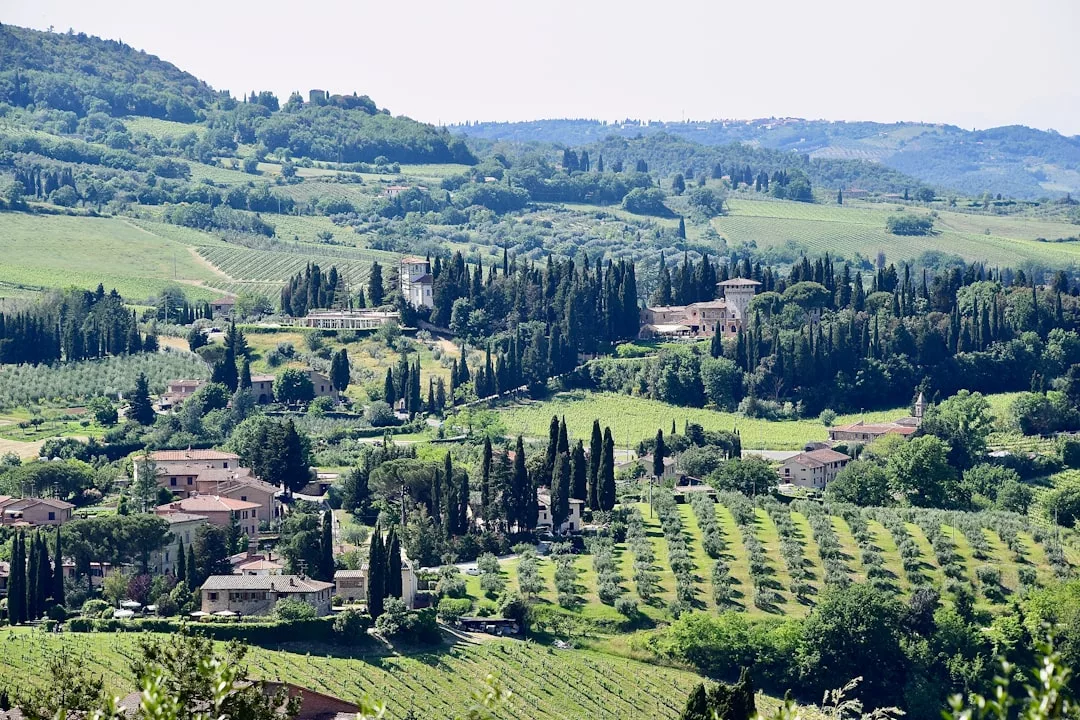
Nestled in the heart of Mallorca, Binissalem is a charming village that has become synonymous with quality winemaking. This picturesque locale, characterized by its rolling hills and Mediterranean climate, is home to a burgeoning wine industry that has gained recognition both locally and internationally.
Visitors to Binissalem can expect to find a blend of traditional and modern winemaking techniques, resulting in a diverse array of wines that cater to various palates. The allure of Binissalem extends beyond its vineyards. The village itself boasts a quaint atmosphere, with narrow streets lined with traditional stone houses and vibrant bougainvillea.
As one strolls through the town, the aroma of fermenting grapes wafts through the air, hinting at the craftsmanship that takes place in the nearby wineries. For wine enthusiasts, Binissalem offers an immersive experience where one can explore the intricacies of winemaking while enjoying the stunning landscapes that define this part of Mallorca.
Key Takeaways
- Binissalem is a charming town in Mallorca known for its wineries and wine production, making it a perfect destination for wine enthusiasts.
- The history of winemaking in Binissalem dates back to the Roman times, and the tradition has been passed down through generations, resulting in high-quality wines.
- The unique terroir of Binissalem, with its limestone soil, Mediterranean climate, and cooling sea breezes, plays a significant role in the production of exceptional wines.
- Top wineries to visit in Binissalem include Bodegas José L. Ferrer, Bodegas Macià Batle, and Bodegas Ribas, offering guided tours and wine tastings.
- Binissalem is known for producing red, white, and rosé wines, with grape varieties such as Manto Negro, Callet, and Prensal Blanc, each offering distinct characteristics and flavors.
The history of winemaking in Binissalem
The history of winemaking in Binissalem dates back to ancient times, with evidence suggesting that the Phoenicians were among the first to cultivate vines on the island. However, it was during the 19th century that the region truly began to establish itself as a significant player in the wine industry. The introduction of new grape varieties and advancements in viticulture techniques led to a renaissance in local winemaking.
By the late 1800s, Binissalem had gained recognition for its high-quality wines, particularly those made from the indigenous Manto Negro grape. The establishment of the Binissalem Denomination of Origin (DO) in 1990 marked a pivotal moment in the region’s winemaking history. This designation not only protected the integrity of local wines but also promoted the unique characteristics of Binissalem’s terroir.
The DO regulations encourage sustainable practices and emphasize the importance of traditional grape varieties, ensuring that the wines produced here remain true to their roots. As a result, Binissalem has become a focal point for wine tourism, attracting visitors eager to learn about its storied past and taste its exceptional offerings.
The unique terroir of Binissalem and its impact on wine production
The terroir of Binissalem is a defining factor in the quality and character of its wines. The region’s climate is characterized by hot summers and mild winters, with a Mediterranean influence that provides ample sunshine for grape ripening. The soil composition varies across the area, with clay and limestone being predominant.
This combination creates an ideal environment for growing a variety of grape types, allowing winemakers to experiment with blends that showcase the region’s unique attributes. Moreover, the elevation of Binissalem plays a crucial role in shaping its wines. Vineyards situated at higher altitudes benefit from cooler temperatures, which help preserve acidity and enhance flavor profiles.
This elevation also contributes to a greater diurnal temperature variation, allowing grapes to develop complexity and depth. As a result, wines from Binissalem often exhibit vibrant fruit flavors balanced by earthy undertones, making them distinctively expressive of their origin.

Top wineries to visit in Binissalem
When exploring Binissalem, several wineries stand out for their commitment to quality and innovation. One such establishment is Bodega José L. Ferrer, one of the oldest wineries in the region, founded in 1931.
Known for its dedication to traditional methods combined with modern technology, Ferrer produces a range of wines that highlight local grape varieties such as Manto Negro and Callet. Visitors can enjoy guided tours that delve into the winemaking process, followed by tastings of their acclaimed selections. Another notable winery is Bodega Son Prim, which has garnered attention for its organic practices and focus on sustainability.
Set against a backdrop of stunning vineyards, Son Prim offers an intimate experience where guests can learn about biodynamic farming techniques while sampling their exquisite wines. The winery’s commitment to preserving the environment is evident in every aspect of its operations, making it a must-visit for eco-conscious wine lovers.
The wine varieties produced in Binissalem and their characteristics
Binissalem is renowned for its diverse range of wine varieties, each reflecting the unique terroir and winemaking traditions of the region. Among the most prominent indigenous grapes is Manto Negro, which thrives in the local climate and produces wines with rich fruit flavors and soft tannins. This grape is often blended with other varieties to create complex red wines that are both approachable and age-worthy.
In addition to Manto Negro, Callet is another indigenous variety that has gained popularity among local winemakers. Known for its aromatic profile and vibrant acidity, Callet contributes freshness and elegance to blends. White wine enthusiasts will also find delight in the local variety known as Prensal Blanc, which yields crisp wines with notes of citrus and stone fruits.
These indigenous grapes are often complemented by international varieties such as Cabernet Sauvignon and Merlot, resulting in a harmonious fusion that showcases both tradition and innovation.
The wine tasting experiences offered by Binissalem wineries
Wine tasting experiences in Binissalem are designed to engage visitors on multiple levels, offering not just a chance to sample exceptional wines but also an opportunity to learn about the intricate processes behind their creation. Many wineries provide guided tours that take guests through vineyards, fermentation rooms, and aging cellars, allowing them to witness firsthand how grapes transform into wine. Knowledgeable staff members share insights into viticulture practices, grape selection, and blending techniques.
Tastings often feature a curated selection of wines paired with local delicacies, enhancing the overall experience. For instance, some wineries offer tastings accompanied by artisanal cheeses or cured meats sourced from nearby producers. This emphasis on local gastronomy not only elevates the tasting experience but also highlights the harmonious relationship between food and wine in Mallorcan culture.
The cultural and culinary experiences available on a wine tour in Binissalem
A wine tour in Binissalem extends beyond just sampling wines; it encompasses a rich tapestry of cultural and culinary experiences that reflect the essence of Mallorca. Visitors can explore traditional markets where local artisans showcase their crafts, from handmade pottery to textiles. These markets often feature stalls selling regional products such as olive oil, honey, and pastries like ensaimada, providing an authentic taste of Mallorcan cuisine.
Culinary experiences are further enhanced by opportunities to dine at local restaurants that emphasize farm-to-table practices. Many establishments collaborate with nearby wineries to create menus that pair perfectly with their wines, allowing diners to savor dishes made from fresh, seasonal ingredients. Participating in cooking classes or food workshops can also be an enriching addition to a wine tour, where visitors learn how to prepare traditional Mallorcan dishes while discovering how these flavors complement local wines.
Tips for planning a successful wine tour in Binissalem
Planning a successful wine tour in Binissalem requires careful consideration to ensure an enjoyable experience. First and foremost, it’s advisable to book winery visits in advance, especially during peak tourist seasons when demand can be high. Many wineries offer guided tours and tastings by reservation only, so securing a spot ahead of time can prevent disappointment.
Additionally, consider arranging transportation options if planning to visit multiple wineries in one day. While some may prefer driving themselves, hiring a local guide or joining an organized tour can enhance the experience by providing insights into each winery’s history and offerings without the worry of navigating unfamiliar roads. Lastly, be sure to allocate time for leisurely exploration; wandering through Binissalem’s charming streets or enjoying a meal at a local eatery can enrich your visit beyond just wine tasting.
The best times of year to visit Binissalem for a wine tour
The timing of your visit can significantly impact your experience in Binissalem. The best times for a wine tour generally fall during spring (April to June) and autumn (September to October). During these months, temperatures are mild and pleasant, making it ideal for vineyard tours and outdoor tastings.
Spring brings vibrant blooms across the landscape, while autumn offers stunning foliage as grapes are harvested. Visiting during harvest season provides a unique opportunity to witness the winemaking process firsthand as vineyards come alive with activity. Many wineries host special events or harvest festivals during this time, allowing visitors to participate in grape picking or enjoy celebratory tastings featuring newly produced wines.
Regardless of when you choose to visit, Binissalem’s charm is ever-present; however, timing your trip can enhance your overall experience.
The impact of sustainable and organic practices on winemaking in Binissalem
Sustainability has become an integral part of winemaking in Binissalem as more wineries adopt organic practices aimed at preserving both the environment and the quality of their wines. These practices include using natural fertilizers, minimizing chemical interventions, and promoting biodiversity within vineyards. By focusing on organic farming methods, winemakers not only enhance soil health but also improve grape quality over time.
The shift towards sustainability has garnered attention from consumers who increasingly seek out wines produced with environmentally friendly methods. Wineries like Bodega Son Prim exemplify this trend by implementing biodynamic principles that respect natural ecosystems while producing exceptional wines. This commitment not only benefits the environment but also fosters a deeper connection between consumers and producers who share values centered around sustainability.
Why Binissalem is a must-visit destination for wine enthusiasts
For wine enthusiasts seeking an authentic experience steeped in tradition and innovation, Binissalem stands out as an unmissable destination. Its rich history of winemaking combined with unique terroir creates an environment where exceptional wines flourish. Visitors are welcomed into this vibrant community where they can explore top-notch wineries while indulging in local culinary delights.
The cultural experiences available alongside wine tours further enrich any visit to Binissalem, making it more than just a destination for tastings but rather an immersive journey into Mallorcan life. With its commitment to sustainability and organic practices shaping the future of winemaking here, Binissalem not only preserves its heritage but also embraces modernity—making it an essential stop for anyone passionate about wine and culture alike.