Gourmet tapas tours in Santa Catalina, Palma de Mallorca
May 22, 2025
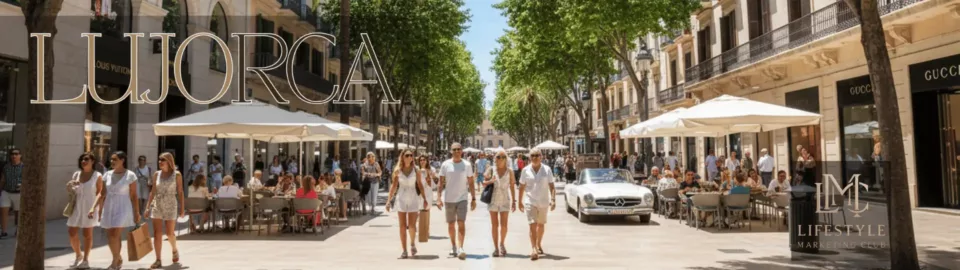
Santa Catalina, a vibrant neighborhood in Palma de Mallorca, is a culinary haven that reflects the rich gastronomic heritage of Spain while embracing modern influences. The area is characterized by its lively atmosphere, where the aroma of freshly prepared dishes wafts through the air, enticing locals and tourists alike. The streets are lined with an eclectic mix of traditional eateries, contemporary restaurants, and bustling markets, creating a dynamic food landscape that invites exploration.
The neighborhood’s charm lies not only in its diverse culinary offerings but also in its ability to foster a sense of community among food lovers. As you wander through Santa Catalina, you will encounter a plethora of tapas bars, each with its unique flair and specialties. The vibrant street life is complemented by the colorful facades of the buildings, which house establishments ranging from rustic taverns to chic bistros.
This neighborhood is particularly known for its emphasis on fresh, local ingredients, often sourced from nearby markets. The culinary scene here is a testament to the island’s agricultural bounty, with many chefs prioritizing seasonal produce and sustainable practices. Whether you are a seasoned foodie or a casual diner, Santa Catalina offers an array of experiences that cater to all palates.
Key Takeaways
- Santa Catalina offers a diverse culinary scene with a mix of traditional and modern tapas options.
- Palma de Mallorca is home to some of the best tapas bars, each offering a unique and flavorful experience.
- Authentic Spanish tapas showcase the rich and delicious traditions of Spanish cuisine.
- Modern tapas in Santa Catalina bring a fusion of flavors and innovative culinary techniques to the table.
- A walking tour of Santa Catalina’s tapas hotspots provides a delightful and immersive experience of the local food scene.
The Best Tapas Bars in Palma de Mallorca
When it comes to tapas bars in Palma de Mallorca, Santa Catalina stands out as a hotspot for both traditional and innovative small plates. One of the most celebrated establishments is Bar Coto, renowned for its authentic atmosphere and extensive menu that features classic Spanish tapas alongside local specialties. The bar’s signature dish, patatas bravas, is a must-try, with perfectly fried potatoes served with a spicy aioli that adds a delightful kick.
The ambiance is lively, often filled with laughter and chatter as patrons enjoy their meals at communal tables. Another gem in Santa Catalina is La Rosa Vermutería, which offers a unique twist on the traditional tapas experience by pairing its dishes with an impressive selection of vermouths. The bar’s focus on quality ingredients shines through in its offerings, such as the marinated anchovies and homemade croquettes.
The cozy interior, adorned with vintage decor, creates an inviting space for guests to unwind and savor their food. Each visit to La Rosa feels like a celebration of Spanish culture, where the joy of sharing food is at the forefront.
A Taste of Tradition: Authentic Spanish Tapas
Authentic Spanish tapas are more than just small plates; they represent a cultural tradition that emphasizes social interaction and communal dining. In Santa Catalina, traditional tapas can be found in abundance, showcasing the rich flavors and techniques that have been passed down through generations. Dishes such as jamón ibérico, a cured ham that is considered one of Spain’s finest delicacies, exemplify the country’s dedication to quality ingredients.
Served thinly sliced and often accompanied by crusty bread, this dish is a staple in any tapas bar. Another quintessential tapas dish is tortilla española, a Spanish omelet made with eggs and potatoes. Each bar has its own variation, with some adding onions or herbs for extra flavor. In Santa Catalina, you can find tortilla española served alongside a refreshing glass of sangria or a crisp white wine, making for an authentic Spanish dining experience that captures the essence of the region.

The Fusion of Flavors: Modern Tapas in Santa Catalina
While traditional tapas hold a special place in the hearts of many, modern interpretations have emerged in Santa Catalina, showcasing the creativity and innovation of contemporary chefs. These modern tapas often incorporate international flavors and techniques, resulting in unique dishes that surprise and delight diners. For instance, one might encounter Asian-inspired tapas such as bao buns filled with slow-cooked pork or spicy tuna tartare served on crispy wonton chips.
These dishes reflect the global influences that have permeated Mallorca’s culinary scene. One standout establishment that exemplifies this fusion is OMBU, where the chef combines Mediterranean ingredients with Asian cooking methods to create visually stunning plates. The menu features items like grilled octopus with miso glaze and avocado puree, highlighting the harmonious blend of flavors that can be achieved when different culinary traditions intersect.
This innovative approach not only appeals to adventurous eaters but also encourages a dialogue about the evolving nature of Spanish cuisine in a globalized world.
A Walking Tour of Santa Catalina’s Tapas Hotspots
Embarking on a walking tour of Santa Catalina’s tapas hotspots is an exhilarating way to immerse oneself in the neighborhood’s culinary culture. Starting at Mercado de Santa Catalina, the local market is a treasure trove of fresh produce, seafood, and artisanal products. Here, visitors can sample local cheeses and cured meats while mingling with vendors who are passionate about their craft.
The market serves as an excellent introduction to the ingredients that will later feature in various tapas dishes throughout the neighborhood. As you continue your tour, make your way to some of the most popular tapas bars nearby. Each stop offers an opportunity to taste different styles and flavors while enjoying the vibrant atmosphere of Santa Catalina.
For example, at Bar Coto, you can indulge in their famous patatas bravas before heading to La Rosa Vermutería for a refreshing vermouth paired with marinated olives. This walking tour not only satisfies your taste buds but also allows you to appreciate the neighborhood’s unique character and charm as you navigate its lively streets.
Pairing Tapas with Spanish Wines and Cocktails
The experience of enjoying tapas in Santa Catalina is elevated by thoughtfully pairing these small plates with Spanish wines and cocktails. Spain boasts a rich wine heritage, with regions such as Rioja and Ribera del Duero producing exceptional reds that complement hearty dishes like chorizo al vino or grilled meats. A glass of Tempranillo or Garnacha can enhance the flavors of these robust dishes while providing a delightful contrast to their richness.
In addition to wine pairings, cocktails also play a significant role in the tapas experience. One cannot visit Santa Catalina without trying a classic gin and tonic, which has become increasingly popular across Spain. Bartenders often take pride in crafting unique versions using artisanal gins infused with botanicals and served with an array of garnishes such as herbs and citrus fruits.
This refreshing drink pairs beautifully with lighter tapas like calamari or shrimp ceviche, making it an ideal choice for those looking to explore different flavor profiles while enjoying their meal.
Meeting the Chefs: Behind the Scenes of Tapas Creation
To truly appreciate the art of tapas creation in Santa Catalina, one must delve into the stories behind the chefs who bring these dishes to life. Many chefs in this neighborhood are deeply passionate about their craft and take pride in sourcing local ingredients to create authentic flavors. For instance, Chef Maria at La Bodeguilla emphasizes her commitment to using seasonal produce from nearby farms, ensuring that her dishes reflect the best of what Mallorca has to offer.
Visiting kitchens and engaging with chefs provides insight into their creative processes and inspirations. Some chefs may share anecdotes about their culinary journeys or explain how they incorporate traditional techniques into their modern interpretations of tapas. This behind-the-scenes experience not only enhances your understanding of Spanish cuisine but also fosters a deeper appreciation for the craftsmanship involved in each dish served at local tapas bars.
Vegetarian and Vegan Tapas Options in Santa Catalina
As dietary preferences evolve, so too does the tapas scene in Santa Catalina, which now offers an impressive array of vegetarian and vegan options. Many bars have embraced this shift by crafting innovative dishes that highlight seasonal vegetables and plant-based ingredients without compromising on flavor. For example, one might find roasted vegetable skewers drizzled with balsamic reduction or stuffed peppers filled with quinoa and herbs.
Additionally, traditional Spanish dishes have been adapted to cater to vegetarian and vegan diets. A popular choice among diners is escalivada, a dish made from roasted eggplant and bell peppers served on crusty bread drizzled with olive oil. Many establishments also offer creative takes on classic dishes like patatas bravas using plant-based aioli or chickpea-based croquettes that provide a satisfying crunch without any animal products.
This inclusivity ensures that everyone can enjoy the vibrant flavors of Santa Catalina’s culinary scene.

The History of Tapas: From Tradition to Trend
The history of tapas is as rich as the flavors they embody, tracing back to Spain’s cultural evolution over centuries. Originally conceived as small snacks served alongside drinks to curb hunger while socializing, tapas have transformed into an integral part of Spanish dining culture. The word “tapa” itself means “lid” or “cover,” which is believed to refer to how these small plates were once used to cover drinks from flies or dust.
Over time, tapas evolved from simple fare into elaborate dishes that showcase regional ingredients and culinary techniques. In recent years, they have gained international acclaim as food trends have shifted towards shared dining experiences. This evolution has led to an explosion of creativity within the tapas realm, where chefs experiment with flavors and presentation while still honoring traditional roots.
Tips for Navigating the Tapas Scene in Santa Catalina
Navigating the tapas scene in Santa Catalina can be both exciting and overwhelming due to the sheer number of options available. To make the most of your experience, it’s essential to approach it with an open mind and a sense of adventure. One helpful tip is to start your journey early in the evening when bars are less crowded; this allows you to engage more easily with staff who can provide recommendations based on your preferences.
Another strategy is to order several small plates to share among your group rather than opting for individual entrees. This communal approach not only enhances the social aspect of dining but also allows you to sample a wider variety of flavors and textures throughout your meal. Don’t hesitate to ask your server for suggestions or daily specials; many establishments take pride in showcasing seasonal ingredients that may not be listed on the menu.
Creating Your Own Tapas Experience: Cooking Classes and Market Visits
For those looking to deepen their connection with Spanish cuisine beyond dining out, participating in cooking classes or market visits can be an enriching experience. Many local chefs offer hands-on classes where participants learn how to prepare traditional tapas using fresh ingredients sourced from nearby markets. These classes often begin with guided tours through local markets like Mercado de Santa Catalina, where participants can select produce and meats while learning about their significance in Spanish cooking.
Once back in the kitchen, participants are guided through each step of creating classic dishes such as gambas al ajillo (garlic shrimp) or pimientos de padrón (fried green peppers). This immersive experience not only equips you with new culinary skills but also fosters a deeper appreciation for the art of tapas preparation. By understanding how these dishes are crafted from start to finish, you gain insight into Spain’s rich culinary heritage while creating lasting memories through food.