Investing in vineyard estates near Binissalem: agritourism potential
July 19, 2025

Investing in vineyard estates near Binissalem, a picturesque town located in the heart of Mallorca, offers a unique blend of natural beauty, cultural richness, and economic potential. The region is renowned for its wine production, particularly the indigenous grape varieties that thrive in its Mediterranean climate. This combination of factors makes vineyard estates not only a sound financial investment but also an opportunity to engage with a vibrant community and a time-honored tradition.
The allure of owning a vineyard estate is further enhanced by the increasing global interest in organic and sustainable wines, which aligns perfectly with the practices adopted by many local producers. Moreover, the proximity of Binissalem to Palma, the capital of Mallorca, adds to its appeal. The town is easily accessible, making it an attractive destination for both tourists and potential buyers.
The growing trend of agritourism has also contributed to the desirability of vineyard estates in this area. Investors can capitalize on the dual potential of producing high-quality wines while simultaneously offering unique experiences to visitors. This dual revenue stream can significantly enhance the profitability of vineyard estates, making them an attractive option for those looking to invest in real estate with a twist.
Key Takeaways
- Investing in vineyard estates near Binissalem offers a unique appeal due to the region’s rich history and culture of winemaking.
- Binissalem has significant agritourism potential, with its picturesque landscapes and traditional wine production methods attracting visitors.
- The history and culture of Binissalem’s wine industry provide a compelling narrative for tourists and investors alike.
- The rise of agritourism has had a positive impact on vineyard estates, creating new opportunities for investment and business development.
- When considering investing in a vineyard estate in Binissalem, factors such as terroir, grape varieties, and sustainability should be carefully evaluated.
Understanding the agritourism potential in Binissalem
Agritourism has emerged as a significant trend in recent years, particularly in regions known for their agricultural heritage. Binissalem is no exception, as its rich viticultural landscape provides an ideal backdrop for agritourism ventures. Visitors are increasingly seeking authentic experiences that connect them with local culture and traditions, and vineyard estates offer just that.
By providing tours, tastings, and educational workshops, vineyard owners can create immersive experiences that not only showcase their wines but also educate guests about the winemaking process and the history of the region. The potential for agritourism in Binissalem is further amplified by the town’s commitment to preserving its cultural identity and promoting local products. Events such as wine festivals and harvest celebrations attract both locals and tourists, creating opportunities for vineyard estates to engage with a broader audience.
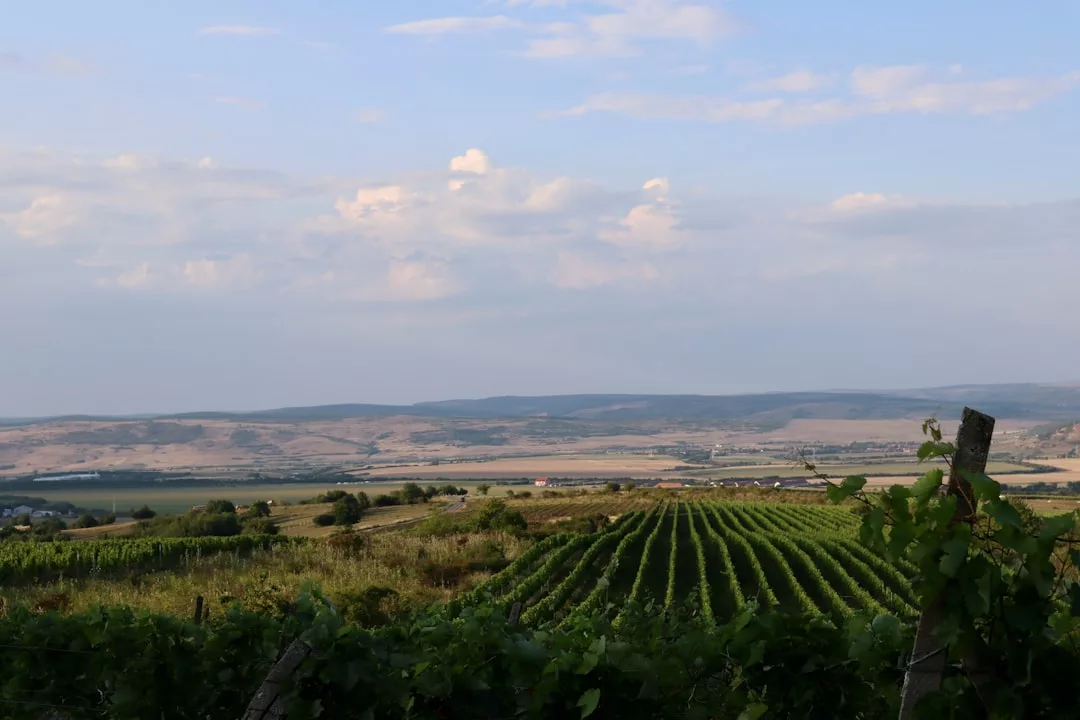
Additionally, the scenic beauty of the surrounding landscape, characterized by rolling hills and lush vineyards, enhances the overall experience for visitors. By tapping into this agritourism potential, investors can create a thriving business model that benefits both their estate and the local community.
Exploring the history and culture of Binissalem’s wine industry
The wine industry in Binissalem boasts a rich history that dates back centuries, with evidence of viticulture in the region as early as Roman times. Over the years, Binissalem has developed a reputation for producing high-quality wines, particularly those made from indigenous grape varieties such as Manto Negro and Callet.
This historical context not only adds depth to the investment opportunity but also provides a narrative that can be leveraged in marketing efforts. Culturally, wine is deeply intertwined with the identity of Binissalem. The town hosts various events throughout the year that celebrate its winemaking heritage, including the Fira del Vi, a wine fair that showcases local producers and their offerings.
These events not only attract tourists but also foster a sense of community among residents and vineyard owners. Understanding this cultural backdrop is essential for investors looking to establish themselves in the region; it allows them to connect with local traditions and build relationships with other stakeholders in the wine industry.

The rise of agritourism and its impact on vineyard estates
The rise of agritourism has transformed the landscape of vineyard estates across the globe, and Binissalem is no exception. As consumers increasingly seek out experiences over material goods, vineyard estates have adapted by offering tours, tastings, and hands-on activities that engage visitors in the winemaking process. This shift has not only diversified revenue streams for vineyard owners but has also elevated the status of wine tourism as a significant economic driver in regions like Binissalem.
The impact of agritourism on vineyard estates can be seen in various ways. For one, it encourages sustainable practices as visitors often express interest in how wines are produced and the environmental impact of viticulture. Vineyard owners are thus motivated to adopt eco-friendly practices to appeal to this growing demographic.
Additionally, agritourism fosters community engagement; local businesses benefit from increased foot traffic as tourists seek accommodations, dining options, and other attractions in the area. This interconnectedness creates a thriving ecosystem that supports both vineyard estates and the broader community.
Factors to consider when investing in a vineyard estate in Binissalem
Investing in a vineyard estate in Binissalem requires careful consideration of several factors that can influence both short-term success and long-term sustainability. One critical aspect is understanding the local market dynamics, including consumer preferences and competition among existing vineyards. Conducting thorough market research can provide insights into which grape varieties are currently in demand and what types of experiences tourists are seeking.
This information can guide decisions regarding planting choices and agritourism offerings. Another important factor is assessing the physical characteristics of potential vineyard sites. Soil quality, drainage capabilities, and microclimates all play significant roles in determining which grape varieties will thrive in a given location.
Investors should also consider access to water resources and proximity to transportation networks for distributing their products. Additionally, understanding local regulations regarding land use and agricultural practices is essential to ensure compliance and avoid potential legal issues down the line.
Leveraging the natural beauty of Binissalem for agritourism
The natural beauty of Binissalem is one of its most compelling assets when it comes to agritourism. The region’s stunning landscapes—characterized by rolling hills adorned with vineyards, olive groves, and almond trees—provide an idyllic setting for visitors seeking relaxation and connection with nature. Vineyard estates can leverage this beauty by creating outdoor spaces that enhance the visitor experience, such as picnic areas overlooking vineyards or scenic walking trails that allow guests to explore the surrounding countryside.
Incorporating local flora and fauna into agritourism offerings can further enrich visitors’ experiences. For instance, guided nature walks can educate guests about native plants and wildlife while highlighting sustainable farming practices employed on the estate. Additionally, hosting events such as outdoor concerts or art exhibitions can attract diverse audiences while showcasing the estate’s picturesque surroundings.
By capitalizing on Binissalem’s natural beauty, vineyard owners can create memorable experiences that resonate with visitors long after they leave.
The role of sustainability in vineyard estate investment in Binissalem
Sustainability has become a cornerstone of modern viticulture, particularly as consumers increasingly prioritize environmentally friendly practices when choosing wines. In Binissalem, investors have an opportunity to align their vineyard operations with sustainable principles that not only benefit the environment but also enhance their marketability. Implementing organic farming practices, reducing water usage through efficient irrigation systems, and utilizing renewable energy sources are just a few ways vineyard owners can demonstrate their commitment to sustainability.
Moreover, sustainability extends beyond agricultural practices; it encompasses social responsibility as well. Engaging with local communities through educational programs or partnerships with schools can foster goodwill and strengthen ties between vineyard estates and their neighbors. By positioning themselves as stewards of both the land and the community, investors can cultivate a positive brand image that resonates with environmentally conscious consumers.
Building a successful agritourism business in Binissalem’s wine region
Creating a successful agritourism business within Binissalem’s wine region requires strategic planning and execution across various facets of operations. First and foremost, developing a clear brand identity that reflects the unique characteristics of the vineyard estate is essential. This includes crafting compelling narratives around the wines produced, highlighting their connection to local traditions and terroir. Additionally, offering diverse experiences tailored to different audiences can enhance visitor engagement. For example, hosting workshops on winemaking techniques or food pairings can appeal to enthusiasts looking to deepen their knowledge while providing family-friendly activities such as grape stomping or farm tours can attract families seeking memorable outings.
Collaborating with local chefs or artisans to create special events centered around food and wine pairings can further elevate the experience for guests while supporting other businesses within the community.

Showcasing Binissalem’s unique terroir and grape varieties to attract tourists
Binissalem’s unique terroir plays a pivotal role in shaping its wines’ character and quality, making it an essential aspect to highlight when attracting tourists. The region’s distinct soil composition—primarily clay mixed with limestone—contributes to the complexity of flavors found in its wines. By educating visitors about how these geological features influence grape growth and wine production, vineyard estates can create a deeper appreciation for their offerings.
Additionally, showcasing indigenous grape varieties such as Manto Negro and Callet allows vineyard owners to differentiate themselves from other wine regions. Offering tastings that focus on these unique varietals can provide guests with an authentic taste of Binissalem’s winemaking heritage while fostering curiosity about lesser-known wines. Engaging storytelling around these grape varieties—such as their historical significance or unique growing conditions—can further enhance visitors’ experiences and encourage them to share their newfound knowledge with others.
The potential challenges and opportunities of investing in vineyard estates near Binissalem
While investing in vineyard estates near Binissalem presents numerous opportunities, it is not without its challenges. One significant hurdle is navigating climate variability; changes in weather patterns can impact grape yields and quality from year to year. Investors must remain vigilant about adapting their practices to mitigate these risks through techniques such as crop diversification or implementing advanced irrigation systems.
On the flip side, these challenges also present opportunities for innovation within the industry. For instance, embracing technology such as precision agriculture can help vineyard owners optimize their operations while minimizing environmental impact. Additionally, as consumer preferences shift towards organic and sustainably produced wines, investors who prioritize these practices may find themselves well-positioned to capture market share among discerning consumers seeking high-quality products.
Navigating regulations and legal considerations for vineyard estate investment in Binissalem
Investing in vineyard estates in Binissalem necessitates a thorough understanding of local regulations governing land use, agricultural practices, and business operations. Each municipality may have specific zoning laws that dictate how land can be utilized; therefore, prospective investors should conduct due diligence before purchasing property to ensure compliance with these regulations. Furthermore, understanding licensing requirements for producing and selling wine is crucial for establishing a successful business operation.
This includes obtaining necessary permits for winemaking activities as well as adhering to health and safety standards when hosting agritourism events on-site. Engaging legal counsel familiar with local laws can help navigate these complexities while ensuring that investors remain compliant throughout their operations. In conclusion, investing in vineyard estates near Binissalem offers a multifaceted opportunity that combines agricultural heritage with modern tourism trends.
By understanding the nuances of agritourism potential, local culture, sustainability practices, and regulatory frameworks, investors can position themselves for success within this vibrant wine region.