Property management software comparisons for Palma landlords
August 12, 2025

In the ever-evolving landscape of real estate, property management software has emerged as a vital tool for landlords, property managers, and real estate professionals. This software streamlines various aspects of property management, from tenant screening to rent collection, thereby enhancing operational efficiency and improving tenant satisfaction. As the real estate market becomes increasingly competitive, the adoption of such technology is no longer a luxury but a necessity for those looking to optimize their property management processes.
The rise of property management software can be attributed to the growing complexity of managing multiple properties and the need for real-time data access. With features that cater to both residential and commercial properties, these platforms provide a centralized hub for managing tasks that would otherwise require significant time and effort. By automating routine tasks, property management software allows managers to focus on strategic initiatives that can drive growth and improve tenant relations.
Key Takeaways
- Property management software streamlines and automates tasks related to managing rental properties, such as lease and rental management, maintenance and repair management, tenant communication, and reporting.
- Key features to consider when choosing property management software include online portals for tenants, user-friendly interface, integration with other platforms, and reporting and analytics capabilities.
- Pricing and plans for property management software vary based on the number of units and features included, so it’s important to consider the specific needs of your property management business.
- A user-friendly interface is essential for property management software to ensure ease of use for property managers, landlords, and tenants.
- Integration with other platforms, such as accounting software and maintenance services, is important for a seamless property management experience.
Key Features to Consider
When evaluating property management software, it is essential to consider a range of key features that can significantly impact its effectiveness. One of the most critical features is tenant screening, which typically includes background checks, credit reports, and rental history verification. A robust tenant screening process helps landlords select reliable tenants, reducing the risk of late payments and evictions.
Additionally, many software solutions offer customizable screening criteria, allowing property managers to tailor their approach based on specific property types or market conditions. Another vital feature is online rent collection. This functionality not only simplifies the payment process for tenants but also ensures timely payments for landlords.
Many platforms offer automated reminders and late fee assessments, which can further enhance cash flow management. Furthermore, the ability to accept various payment methods—such as credit cards, ACH transfers, and digital wallets—can cater to a broader range of tenant preferences, making it easier for them to fulfill their rental obligations.
Pricing and Plans
Pricing structures for property management software can vary widely, often depending on the features offered and the scale of operations. Some platforms operate on a subscription model, charging a monthly fee based on the number of units managed or the specific features utilized. For instance, a basic plan may include essential functionalities like tenant screening and rent collection, while more advanced plans might offer comprehensive reporting tools and maintenance management features.
It is also common for software providers to offer tiered pricing plans that cater to different types of users. For example, small landlords managing a handful of properties may find value in a lower-cost plan that provides essential features without overwhelming them with unnecessary complexity. Conversely, larger property management firms may require more sophisticated tools and integrations, justifying a higher investment.
Understanding these pricing models is crucial for property managers to select a solution that aligns with their budget and operational needs.

User-Friendly Interface
A user-friendly interface is paramount in ensuring that property management software is accessible to all users, regardless of their technical expertise. An intuitive design can significantly reduce the learning curve associated with adopting new technology. Features such as drag-and-drop functionality, clear navigation menus, and customizable dashboards can enhance user experience by making it easier to access essential tools and information.
Moreover, a well-designed interface can facilitate better communication among team members. For instance, if multiple staff members are involved in managing properties, a user-friendly platform allows them to collaborate more effectively by sharing notes, assigning tasks, and tracking progress in real time. This collaborative aspect not only improves efficiency but also fosters a sense of teamwork among staff members who may be working remotely or across different locations.
Integration with Other Platforms
The ability to integrate property management software with other platforms is another critical consideration for property managers. Many software solutions offer APIs or built-in integrations with popular accounting software, customer relationship management (CRM) systems, and marketing tools. This interoperability allows for seamless data transfer between systems, reducing the need for manual data entry and minimizing the risk of errors.
For example, integrating property management software with accounting tools like QuickBooks can streamline financial reporting and budgeting processes. Property managers can automatically sync rent payments and expenses, ensuring that financial records are always up-to-date. Additionally, integration with marketing platforms can enhance tenant acquisition efforts by automating listings on rental websites or social media channels, thereby increasing visibility and attracting potential tenants more efficiently.
Customer Support and Training
Multi-Channel Support
Many providers offer multiple channels for support, including live chat, email assistance, and phone support. This allows users to choose the method that best suits their needs and preferences.Self-Help Resources
The availability of comprehensive resources such as FAQs, video tutorials, and user forums can also empower users to troubleshoot issues independently. These resources provide users with the tools they need to find answers to common questions and resolve problems on their own.Training and Onboarding
Training programs are equally important in ensuring that all users are equipped to utilize the software effectively. Some providers offer onboarding sessions or webinars that guide users through the platform’s features and functionalities. This training can be particularly beneficial for larger teams where different members may have varying levels of familiarity with technology. By investing in training resources, property management firms can maximize their return on investment in software by ensuring that all staff members are proficient in its use.Reporting and Analytics
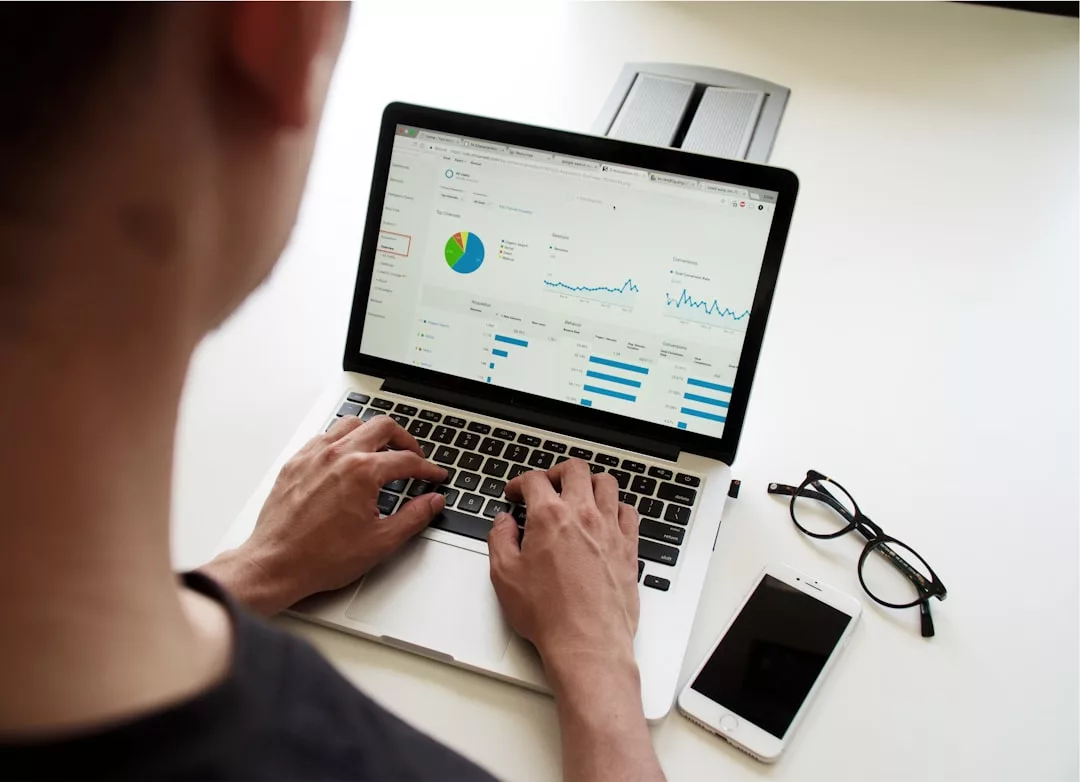
Reporting and analytics capabilities are essential components of property management software that enable managers to make informed decisions based on data-driven insights. Advanced reporting tools allow users to generate customized reports on various aspects of property performance, including occupancy rates, rental income trends, and maintenance costs. These insights can help identify areas for improvement and inform strategic planning.
For instance, if a property manager notices a decline in occupancy rates through their reporting dashboard, they can investigate potential causes—such as pricing strategies or marketing efforts—and take corrective action promptly. Additionally, predictive analytics features can forecast future trends based on historical data, enabling managers to anticipate market shifts and adjust their strategies accordingly. This proactive approach can lead to improved financial performance and enhanced tenant satisfaction.
Maintenance and Repair Management
Maintenance and repair management is another critical feature offered by many property management software solutions. Efficiently handling maintenance requests not only ensures tenant satisfaction but also protects the long-term value of properties. A well-designed maintenance module allows tenants to submit requests online, which can then be tracked by property managers in real time.
Some platforms even offer automated workflows that assign tasks to maintenance staff or external contractors based on predefined criteria such as urgency or type of repair needed. This automation reduces response times and enhances accountability by providing clear records of maintenance activities. Furthermore, integrating maintenance management with financial tracking allows property managers to monitor repair costs against budgets effectively.

Tenant Communication and Online Portals
Effective communication between landlords and tenants is vital for fostering positive relationships and ensuring smooth operations. Property management software often includes built-in communication tools that facilitate direct messaging between parties. This feature allows tenants to ask questions or raise concerns without needing to make phone calls or send emails.
Online portals are another valuable aspect of tenant communication. These portals provide tenants with access to important documents such as lease agreements, payment history, and community announcements. By offering a centralized location for information sharing, online portals enhance transparency and empower tenants to manage their rental experience more effectively.
Additionally, these portals often include features for submitting maintenance requests or accessing community resources, further streamlining communication.
Lease and Rental Management
Lease and rental management functionalities are at the core of any property management software solution. Many platforms offer customizable lease templates that can be tailored to meet specific legal requirements or property types.
Moreover, automated reminders for lease renewals help landlords stay proactive in managing tenant relationships. By notifying tenants well in advance of lease expiration dates, property managers can initiate discussions about renewals or potential rent increases without causing disruptions. This proactive approach not only enhances tenant retention but also contributes to stable cash flow for property owners.
Conclusion and Recommendations
In summary, selecting the right property management software involves careful consideration of various factors including key features, pricing structures, user interface design, integration capabilities, customer support options, reporting tools, maintenance management functionalities, tenant communication channels, and lease management processes. Each of these elements plays a crucial role in determining how effectively a property manager can operate their business. For those entering the market or looking to upgrade their existing systems, it is advisable to conduct thorough research on available options while considering specific operational needs.
Engaging in trials or demos offered by software providers can provide valuable insights into how well a platform aligns with individual requirements. Ultimately, investing in robust property management software can lead to enhanced efficiency, improved tenant satisfaction, and greater overall success in managing real estate assets.