Real estate photography tips for Mallorca listings
July 27, 2025

In the competitive realm of real estate, high-quality photography serves as a pivotal element in attracting potential buyers. The visual representation of a property can significantly influence a buyer’s first impression, often determining whether they choose to explore further or move on to the next listing. In an age where online searches dominate the property market, listings adorned with professional photographs stand out amidst a sea of mediocre images.
High-quality photography not only showcases the property’s best features but also conveys a sense of professionalism and care that can instill confidence in prospective buyers. Moreover, the impact of high-quality photography extends beyond mere aesthetics; it plays a crucial role in storytelling. Each photograph can narrate a unique story about the property, highlighting its character and inviting potential buyers to envision their lives within those walls.
For instance, a well-captured image of a sunlit living room can evoke feelings of warmth and comfort, while a striking exterior shot can emphasize the property’s curb appeal. This emotional connection is vital in real estate, as it can motivate buyers to take the next step, whether that be scheduling a viewing or making an offer.
Key Takeaways
- High-quality photography is crucial for real estate listings as it can attract potential buyers and make a property stand out.
- Understanding the unique features of Mallorca properties is essential for capturing the essence of the property and its surroundings in photography.
- Choosing the right time of day for photography, such as during golden hour, can enhance the overall appeal of the property.
- Highlighting outdoor spaces and views in photography can showcase the lifestyle and potential of the property.
- Emphasizing architectural details and design elements through photography can highlight the craftsmanship and unique features of the property.
Understanding the unique features of Mallorca properties
Mallorca, one of the Balearic Islands in Spain, boasts a diverse array of properties that reflect its rich cultural heritage and stunning natural landscapes. From traditional stone villas nestled in the countryside to modern beachfront apartments with panoramic sea views, each property has its own unique features that appeal to different types of buyers. Understanding these characteristics is essential for effective photography, as it allows photographers to capture the essence of each property and highlight what makes it special.
For instance, many properties in Mallorca feature traditional Mediterranean architecture, characterized by terracotta roofs, arched doorways, and vibrant bougainvillea. Capturing these architectural details requires an eye for composition and an understanding of how to best showcase these elements. Additionally, properties often come with expansive outdoor spaces, such as gardens or terraces that offer breathtaking views of the surrounding landscape.
Photographers must be adept at framing these outdoor areas to convey the lifestyle that comes with owning such a property, emphasizing not just the physical space but also the experience it offers.
Choosing the right time of day for photography
The time of day at which photographs are taken can dramatically affect the quality and mood of the images. The golden hour—shortly after sunrise or before sunset—provides soft, diffused lighting that enhances colors and reduces harsh shadows. This time is particularly advantageous for capturing outdoor spaces and exteriors, as it bathes properties in warm light, creating an inviting atmosphere.
Photographers should plan their shoots around these times to maximize the visual appeal of the property. Conversely, midday light can be harsh and unflattering, often resulting in overexposed images that fail to capture the true essence of a space. However, this time can be beneficial for interior shots if managed correctly.
Utilizing window light can create dramatic contrasts and highlight textures within a room. Understanding how different times of day affect lighting conditions allows photographers to strategically plan their shoots, ensuring that each image reflects the property’s best attributes.
Highlighting outdoor spaces and views
Outdoor spaces are often a significant selling point for properties in Mallorca, where the climate encourages outdoor living year-round. Capturing these areas effectively requires careful consideration of composition and lighting. Photographers should aim to showcase not only the physical attributes of gardens, terraces, or pools but also the lifestyle they promote.
For example, an image featuring a beautifully set dining table on a terrace overlooking the sea can evoke feelings of relaxation and leisure, enticing potential buyers to imagine themselves enjoying such moments. Additionally, capturing views is essential in highlighting what makes a property unique. Whether it’s a panoramic vista of the Mediterranean or a serene landscape of rolling hills, these views should be framed thoughtfully within the composition.
Using techniques such as leading lines or foreground interest can draw the viewer’s eye toward these breathtaking sights. By effectively showcasing outdoor spaces and views, photographers can create compelling images that resonate with buyers seeking a lifestyle change.

Emphasizing architectural details and design elements
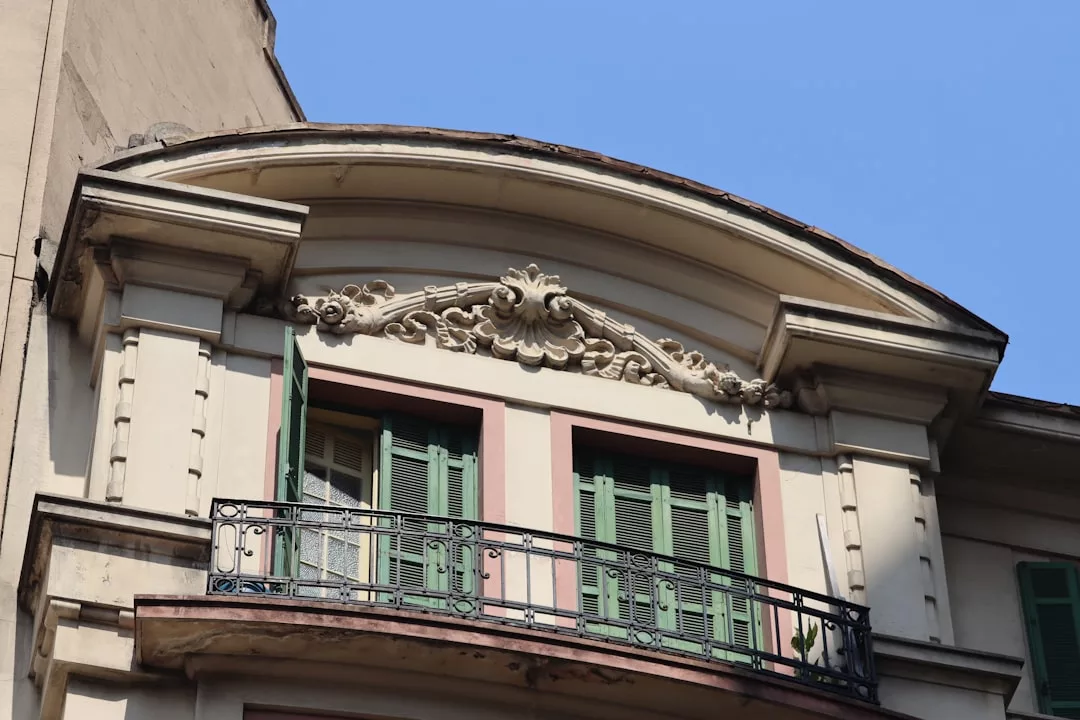
The architectural details and design elements of a property are often what set it apart from others on the market. In Mallorca, many homes feature intricate stonework, traditional tiles, and unique design features that reflect the island’s cultural heritage. Photographers should focus on capturing these details through close-up shots that highlight craftsmanship and artistry.
For instance, an image showcasing ornate door handles or decorative tiles can tell a story about the property’s history and character. In addition to architectural details, interior design elements play a crucial role in creating an inviting atmosphere. Features such as fireplaces, built-in shelving, or custom cabinetry should be highlighted to convey the property’s charm and functionality.
By using techniques such as depth of field to blur backgrounds while focusing on specific details, photographers can create striking images that draw attention to these unique aspects. This approach not only enhances the visual appeal but also helps potential buyers appreciate the thoughtfulness behind the design.
Using natural light to enhance interior spaces
Natural light is one of the most powerful tools in real estate photography, particularly when it comes to interior spaces. Well-lit rooms appear more spacious and inviting, making them more appealing to potential buyers. Photographers should take advantage of windows and other sources of natural light to illuminate rooms effectively.
This may involve shooting at specific times when sunlight streams through windows or using reflectors to bounce light into darker corners. In addition to enhancing visibility, natural light can also create mood and atmosphere within a space. For example, soft morning light can impart a sense of tranquility, while warm afternoon light can evoke feelings of comfort and coziness.
Photographers should consider how different lighting conditions affect the overall ambiance of each room and adjust their shooting techniques accordingly. By harnessing natural light effectively, photographers can create images that not only showcase the property but also evoke emotional responses from potential buyers.
Incorporating staging techniques to showcase the property
Staging is an essential aspect of real estate photography that can significantly enhance the appeal of a property. By arranging furniture and decor in a way that highlights each room’s functionality and potential uses, photographers can help buyers visualize themselves living in the space. This may involve decluttering rooms to create a sense of openness or strategically placing furniture to guide viewers through the space.
Incorporating staging techniques also involves paying attention to color schemes and decor styles that resonate with target buyers. For instance, using neutral tones can create a calming environment that appeals to a broad audience, while bold accents may attract those looking for something unique. Additionally, adding elements such as fresh flowers or tasteful artwork can infuse life into images without overwhelming them.
By thoughtfully staging properties before photographing them, real estate professionals can create compelling visuals that resonate with potential buyers.
Utilizing aerial photography for a different perspective
Aerial photography has become increasingly popular in real estate marketing due to its ability to provide unique perspectives that ground-level shots cannot achieve. This technique is particularly effective for showcasing larger properties or those with expansive outdoor spaces. Aerial images can capture not only the property itself but also its surroundings—such as nearby beaches, parks, or other amenities—that may be attractive to potential buyers.
Drones have revolutionized aerial photography by making it more accessible and affordable for real estate professionals. With high-resolution cameras mounted on drones, photographers can capture stunning images from various heights and angles, providing a comprehensive view of the property’s location and context within its environment. This bird’s-eye view can help buyers appreciate aspects such as landscaping or proximity to key attractions that may not be evident from traditional photographs alone.

Editing and enhancing photos for maximum impact
Post-processing is an integral part of real estate photography that allows photographers to enhance their images further and ensure they make a lasting impression on potential buyers. Editing software enables professionals to adjust exposure levels, correct color balance, and sharpen details—all essential steps in creating visually appealing photographs. However, it is crucial to strike a balance between enhancement and authenticity; overly edited images may misrepresent a property and lead to disappointment during viewings.
One common technique used in editing is HDR (High Dynamic Range) imaging, which combines multiple exposures to create an image with greater detail in both highlights and shadows. This technique is particularly useful for interiors where lighting conditions may vary significantly from one area to another. Additionally, subtle adjustments such as cropping for better composition or removing distracting elements can elevate an image’s overall quality.
By investing time in post-processing, photographers can ensure their images stand out in listings and marketing materials.
Selecting the best angles and compositions for each room
The choice of angles and compositions plays a critical role in how effectively a property is presented through photography. Each room has its own unique characteristics that may be best highlighted from specific vantage points. For example, shooting from a corner can create depth and make a space feel larger than it is by capturing multiple walls within one frame.
Similarly, using leading lines—such as hallways or staircases—can guide viewers’ eyes through an image and create visual interest. In addition to angles, composition techniques such as the rule of thirds can help create balanced images that are pleasing to the eye. By positioning key elements along imaginary lines dividing the frame into thirds, photographers can draw attention to focal points within each room while maintaining harmony throughout the image.
Experimenting with different angles and compositions allows photographers to find the most flattering perspectives for each space, ultimately enhancing the overall presentation of the property.
Showcasing the surrounding area and amenities to attract potential buyers
While highlighting individual properties is essential in real estate photography, showcasing the surrounding area and amenities is equally important in attracting potential buyers. Buyers are often interested not only in the home itself but also in what lies beyond its walls—schools, parks, shopping centers, restaurants, and recreational activities all contribute to a property’s appeal. Including images that capture these aspects provides context for prospective buyers and helps them envision their lifestyle within that community.
Photographers should consider incorporating images that depict local attractions or features unique to Mallorca—such as stunning beaches or vibrant markets—into their marketing materials. These images can serve as powerful selling points by illustrating not just what it means to live in a particular home but also what it means to be part of that community. By effectively showcasing both properties and their surroundings through thoughtful photography, real estate professionals can create compelling narratives that resonate with potential buyers looking for their dream home.