Renovating heritage homes in Banyalbufar: a case study
May 14, 2025

Nestled on the western coast of Mallorca, the picturesque village of Banyalbufar is renowned for its stunning landscapes, terraced vineyards, and rich cultural history. The village is home to a collection of heritage homes that reflect the architectural styles and building techniques of past centuries. These structures, often characterized by their stone facades, wooden beams, and traditional Mallorcan design elements, serve as a testament to the region’s agricultural roots and the lifestyle of its inhabitants.
The heritage homes of Banyalbufar are not merely buildings; they are repositories of stories, embodying the essence of the community’s identity and history. The significance of these homes extends beyond their aesthetic appeal. They are integral to the cultural fabric of Banyalbufar, attracting visitors who seek to experience the charm of traditional Mallorcan life.
As tourism continues to grow, the challenge of preserving these heritage homes while accommodating modern needs becomes increasingly pressing. The delicate balance between maintaining historical integrity and adapting to contemporary living standards is a topic of great importance for homeowners, architects, and local authorities alike.
Key Takeaways
- Banyalbufar’s heritage homes are an important part of the town’s history and culture, reflecting traditional architecture and design.
- Preserving heritage homes is crucial for maintaining the town’s unique identity and heritage, and for passing on its legacy to future generations.
- Renovating heritage homes in Banyalbufar comes with challenges such as navigating strict regulations, sourcing traditional materials, and preserving historical features.
- The renovation process of a heritage home in Banyalbufar involves careful planning, skilled craftsmanship, and a deep understanding of the building’s historical significance.
- Balancing the preservation of architectural integrity with the incorporation of modern amenities is essential for ensuring the functionality and comfort of heritage homes in Banyalbufar.
Understanding the Importance of Preserving Heritage Homes
Preserving heritage homes is crucial for several reasons, primarily their role in maintaining cultural identity. These structures are tangible links to the past, offering insights into the architectural styles, materials, and construction methods that defined a particular era. In Banyalbufar, the preservation of heritage homes allows future generations to connect with their history and understand the evolution of their community.
Each home tells a unique story, reflecting the lives of those who lived there and the socio-economic conditions of their time. Moreover, heritage homes contribute significantly to local economies through tourism. Visitors are often drawn to areas rich in history and culture, and well-preserved heritage homes can enhance the attractiveness of a destination.
In Banyalbufar, tourists flock to admire the traditional architecture and experience the local way of life. This influx of visitors can provide economic benefits to the community, supporting local businesses and creating job opportunities. Therefore, preserving these homes is not only about safeguarding history but also about fostering economic sustainability.
Challenges of Renovating Heritage Homes in Banyalbufar
Renovating heritage homes presents a unique set of challenges that require careful consideration and planning. One of the primary obstacles is navigating the complex regulations that govern heritage properties. In Banyalbufar, local authorities impose strict guidelines to ensure that renovations respect the historical significance of these buildings.
Homeowners must often engage in lengthy approval processes, which can be both time-consuming and costly. This bureaucratic hurdle can deter potential renovators who may feel overwhelmed by the requirements. Additionally, the physical condition of many heritage homes poses significant challenges.
Over time, these structures may have suffered from neglect or damage due to environmental factors. Issues such as crumbling walls, outdated plumbing, and inadequate insulation are common in older buildings. Renovators must balance the need for modern amenities with the imperative to preserve original features.
This often requires specialized skills and knowledge in traditional construction techniques, which may not be readily available in the local labor market.

Case Study: The Renovation Process of a Heritage Home in Banyalbufar
To illustrate the complexities involved in renovating a heritage home in Banyalbufar, consider the case of a 19th-century stone house that had been abandoned for decades. The new owners were passionate about restoring the property while maintaining its historical character. The renovation process began with a thorough assessment of the building’s condition, revealing significant structural issues that needed addressing before any cosmetic work could commence.
The owners engaged a local architect specializing in heritage renovations who understood the importance of preserving original materials and techniques. The first step involved reinforcing the foundation and repairing damaged walls using traditional stone masonry methods. This approach not only ensured structural integrity but also maintained the home’s authentic appearance.
Preserving the Architectural Integrity of Heritage Homes
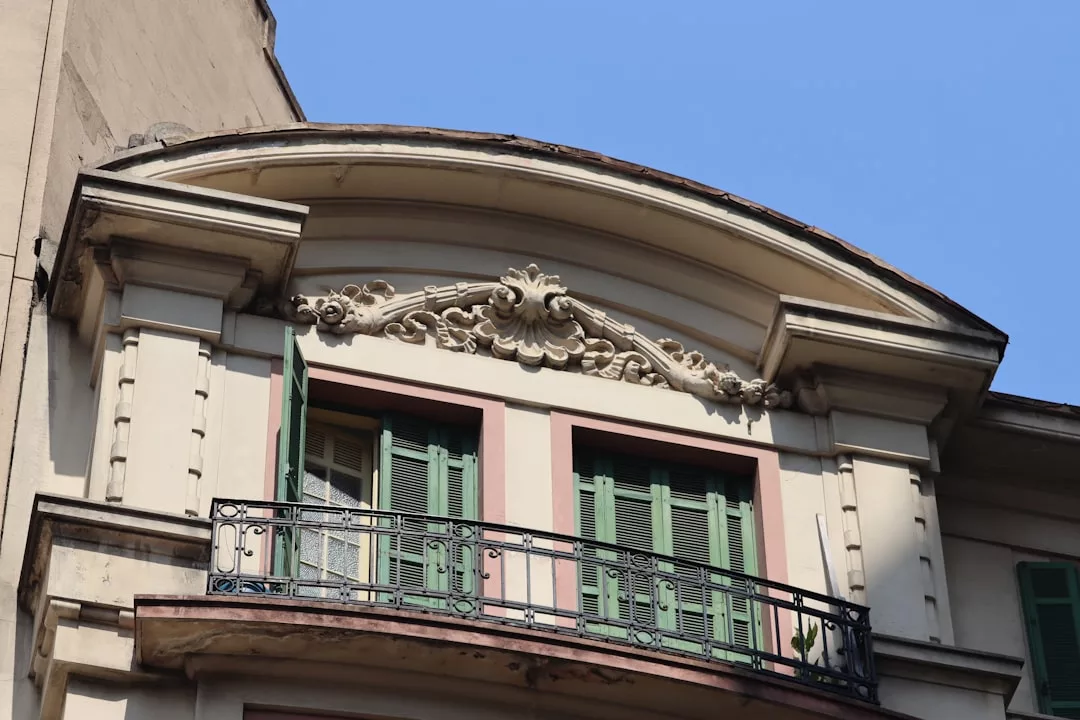
Preserving architectural integrity is paramount when renovating heritage homes. This involves not only maintaining the original design elements but also ensuring that any modifications are sympathetic to the building’s historical context. In Banyalbufar, this means adhering to traditional Mallorcan architectural styles characterized by simplicity and functionality.
For instance, any new windows or doors must reflect the proportions and materials used in the original construction. One effective strategy for preserving architectural integrity is to conduct thorough research on the building’s history before commencing renovations. Understanding the original design intentions can guide homeowners in making informed decisions about alterations.
Additionally, collaborating with conservation specialists can provide valuable insights into appropriate restoration techniques and materials that align with historical standards.
Incorporating Modern Amenities in Heritage Home Renovations
While preserving historical features is essential, incorporating modern amenities is equally important for making heritage homes livable in today’s context. Homeowners often face the challenge of integrating contemporary comforts such as updated kitchens and bathrooms without compromising the home’s character. In Banyalbufar, successful renovations have demonstrated that it is possible to achieve this balance through thoughtful design choices.
For example, one renovation project involved transforming a cramped kitchen into a functional space while retaining its rustic charm. The homeowners opted for custom cabinetry that mirrored traditional designs but included modern appliances discreetly integrated into the layout. Similarly, bathrooms were updated with contemporary fixtures while using materials like natural stone that harmonized with the home’s overall aesthetic.
By prioritizing quality craftsmanship and materials that resonate with the original design, homeowners can create spaces that are both functional and respectful of their heritage.
The Role of Local Regulations and Authorities in Heritage Home Renovations
Local regulations play a critical role in shaping how heritage home renovations are conducted in Banyalbufar. The municipality has established guidelines aimed at protecting the architectural and historical significance of these properties. Homeowners must navigate these regulations carefully to ensure compliance while pursuing their renovation goals. The involvement of local authorities extends beyond mere regulation; they also provide resources and support for homeowners undertaking renovation projects. In some cases, municipalities offer grants or financial incentives to encourage preservation efforts.
Additionally, local heritage organizations may provide guidance on best practices for restoration and connect homeowners with skilled artisans familiar with traditional techniques. This collaborative approach fosters a sense of community ownership over heritage preservation efforts.
Sustainable Practices in Heritage Home Renovations
Sustainability has become an increasingly important consideration in renovation projects, including those involving heritage homes. In Banyalbufar, homeowners are recognizing that preserving these structures can align with environmentally friendly practices. One approach is to utilize energy-efficient technologies that minimize environmental impact while enhancing comfort.
For instance, installing solar panels discreetly on rooftops can provide renewable energy without detracting from a home’s historical appearance. Similarly, implementing rainwater harvesting systems can promote water conservation while respecting traditional architectural elements. By integrating sustainable practices into renovations, homeowners not only contribute to environmental stewardship but also enhance the long-term viability of their heritage properties.

Balancing Preservation and Renovation Costs
The financial aspect of renovating heritage homes often presents a significant challenge for homeowners in Banyalbufar. Balancing preservation efforts with budget constraints requires careful planning and prioritization. While restoring original features may incur higher upfront costs due to specialized labor and materials, these investments can yield long-term benefits by increasing property value and attracting tourism.
Homeowners may explore various funding options to alleviate financial burdens associated with renovations. Grants from local authorities or heritage organizations can provide essential support for preservation efforts. Additionally, engaging in community initiatives or partnerships can help share costs while fostering a collective commitment to preserving Banyalbufar’s architectural heritage.
The Impact of Heritage Home Renovations on the Community
The renovation of heritage homes has far-reaching implications for the broader community in Banyalbufar. As these properties are restored to their former glory, they contribute to revitalizing neighborhoods and enhancing overall quality of life for residents. Well-maintained heritage homes can elevate property values and attract new residents who appreciate the unique character of the village.
Moreover, successful renovations often inspire others within the community to undertake similar projects, creating a ripple effect that fosters a culture of preservation. As more homeowners invest in their properties, Banyalbufar’s charm as a historical destination is further solidified, benefiting local businesses and tourism initiatives alike.
Lessons Learned from Renovating Heritage Homes in Banyalbufar
The journey of renovating heritage homes in Banyalbufar offers valuable lessons about balancing preservation with modern needs. Homeowners must navigate complex regulations while remaining committed to maintaining architectural integrity and sustainability practices. Through thoughtful design choices and collaboration with local authorities and artisans, it is possible to create spaces that honor history while accommodating contemporary living standards.
Ultimately, these renovation efforts contribute not only to individual properties but also to the collective identity of Banyalbufar as a vibrant community steeped in history and culture. As more residents embrace the challenge of preserving their heritage homes, they play an essential role in shaping a future that respects the past while embracing progress.