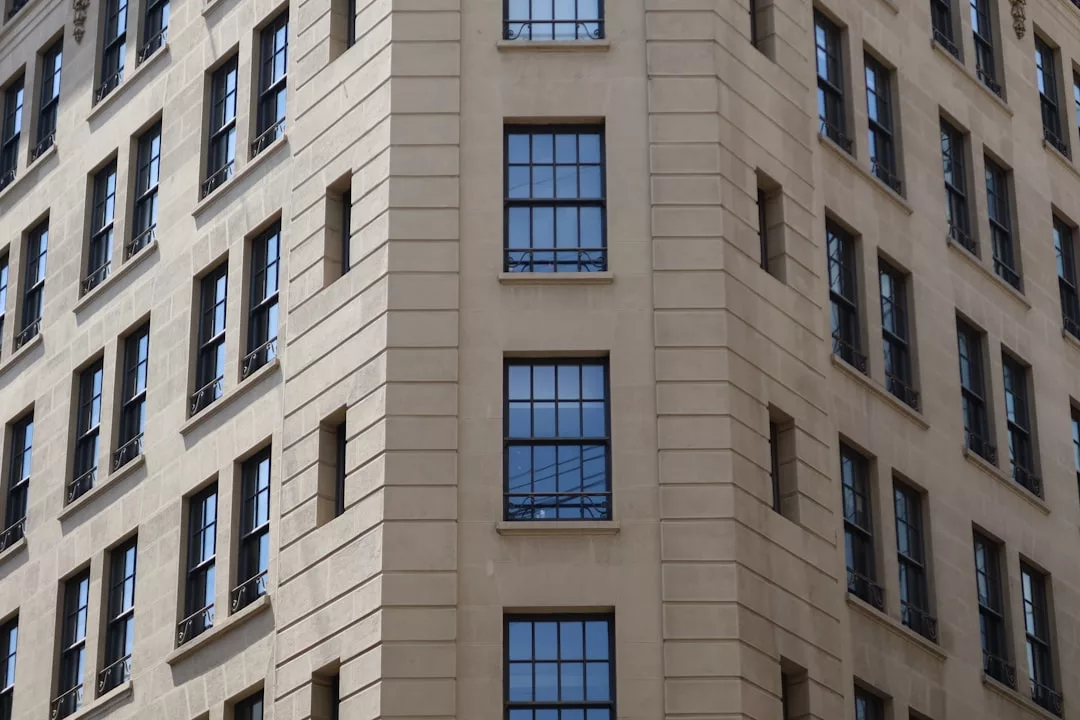
Renovating traditional stone houses in Deià: combining old charm with modern comfort
March 5, 2025
Deià, a picturesque village nestled in the Tramuntana mountain range of Mallorca, is renowned for its stunning landscapes and rich cultural heritage. The traditional stone houses that dot the village are not merely structures; they are embodiments of history, craftsmanship, and the unique character of the region. Renovating these homes presents a unique opportunity to blend the old with the new, preserving their historical essence while adapting them for modern living.
The process of renovation in Deià is not just about physical alterations; it is a journey that respects the past while embracing contemporary needs. The allure of Deià lies in its ability to transport visitors and residents alike to a time when life was simpler, yet deeply connected to nature and community. As more people seek to make this enchanting village their home, the demand for renovating traditional stone houses has surged.
This trend raises important questions about how to maintain the authenticity of these structures while ensuring they meet the demands of modern lifestyles. The challenge lies in striking a balance between preservation and innovation, a task that requires careful planning, respect for local traditions, and an understanding of the architectural nuances that define these homes.
Key Takeaways
- Renovating traditional stone houses in Deià requires a delicate balance between preservation and modernization.
- Understanding the historical significance of traditional stone houses is crucial for preserving their authentic charm.
- Incorporating modern amenities into traditional stone houses must be done thoughtfully to maintain their original character.
- Renovating traditional stone houses comes with challenges such as structural integrity and local regulations.
- Working with local materials and craftspeople is essential for maintaining the authenticity of traditional stone houses.
Understanding the Historical Significance of Traditional Stone Houses in Deià
The traditional stone houses of Deià are steeped in history, reflecting the architectural styles and building techniques that have evolved over centuries. These structures are primarily constructed from local limestone, which not only provides durability but also harmonizes with the natural landscape. The use of stone is emblematic of the region’s agricultural past, where farmers and artisans built homes that could withstand the elements while offering shelter and comfort.
Each house tells a story, from its foundation to its roof, encapsulating the lives of those who have inhabited them. Moreover, these homes are significant for their cultural context. They represent a way of life that is intimately connected to the land and its resources.
The layout of traditional stone houses often includes features such as thick walls for insulation, small windows to keep out the heat, and courtyards that serve as communal spaces. Understanding this historical significance is crucial for anyone looking to renovate these homes. It is essential to appreciate not only the physical structure but also the cultural narratives that these buildings embody.
Preserving the Authentic Charm of Traditional Stone Houses
Preserving the authentic charm of traditional stone houses in Deià requires a thoughtful approach that respects their original design elements. Key features such as exposed stone walls, wooden beams, and terracotta tiles contribute to the unique character of these homes. During renovation, it is vital to retain these elements wherever possible.
For instance, restoring original stone facades can enhance the aesthetic appeal while maintaining historical integrity. Techniques such as lime mortar repointing can be employed to repair and preserve stonework without compromising its authenticity. In addition to structural elements, attention must be paid to decorative features that reflect local craftsmanship.
Handcrafted tiles, wrought iron fixtures, and traditional wooden doors are all integral to the charm of these homes. When renovating, sourcing materials that match or complement these original features can help maintain a cohesive look. Engaging with local artisans who specialize in traditional crafts can also ensure that renovations are carried out with an eye for detail and authenticity.
This commitment to preserving charm not only enhances the home’s value but also enriches the living experience for its inhabitants.
Incorporating Modern Amenities and Comforts into Traditional Stone Houses
While preserving historical elements is crucial, incorporating modern amenities into traditional stone houses is equally important for creating comfortable living spaces. Homeowners often seek to integrate contemporary conveniences such as updated kitchens, modern bathrooms, and efficient heating systems without detracting from the home’s character. This can be achieved through careful planning and design choices that blend seamlessly with the existing architecture.
For example, a modern kitchen can be designed with sleek cabinetry and state-of-the-art appliances while using materials that echo traditional aesthetics, such as wooden countertops or stone backsplashes. Similarly, bathrooms can feature contemporary fixtures paired with vintage-style tiles that reflect the home’s heritage. Energy efficiency is another consideration; installing modern insulation or solar panels discreetly can enhance comfort without compromising the exterior appearance.
The key lies in thoughtful integration—ensuring that modern upgrades enhance rather than overshadow the traditional charm of these homes.
The Challenges of Renovating Traditional Stone Houses
Renovating traditional stone houses in Deià comes with its own set of challenges that require careful navigation. One significant hurdle is adhering to local regulations and preservation guidelines designed to protect the architectural integrity of historic buildings. Homeowners must often work closely with local authorities to ensure that their renovation plans comply with zoning laws and heritage conservation standards.
This process can be time-consuming and may require adjustments to initial designs. Many traditional stone houses may have suffered from years of neglect or inadequate maintenance, leading to issues such as structural instability or water damage.
Identifying and addressing these problems can be complex, requiring expertise in historic building restoration. Homeowners may need to engage specialists who understand both modern construction techniques and traditional methods to ensure repairs are carried out correctly. Balancing these challenges with the desire for modernization can be a delicate process, but it is essential for achieving a successful renovation.
Working with Local Materials and Craftspeople
One of the most rewarding aspects of renovating traditional stone houses in Deià is the opportunity to work with local materials and craftspeople who possess invaluable knowledge of regional building practices. Utilizing locally sourced materials not only supports the community but also ensures that renovations are in harmony with the surrounding environment. For instance, using local limestone for repairs or additions maintains consistency with the original structure while enhancing its authenticity.
Collaborating with local artisans can also bring a unique touch to renovation projects. Craftspeople skilled in traditional techniques can create bespoke elements such as hand-carved wooden doors or custom ironwork that reflect the character of Deià’s architectural heritage. This collaboration fosters a sense of connection between past and present, allowing homeowners to incorporate elements that are both functional and aesthetically pleasing.
By prioritizing local craftsmanship, renovations can celebrate the rich cultural tapestry of Deià while ensuring that each home remains a distinctive representation of its history.
Balancing Preservation with Sustainability in Renovation Projects
In recent years, sustainability has become a critical consideration in renovation projects worldwide, including those involving traditional stone houses in Deià. Balancing preservation with sustainable practices requires innovative thinking and a commitment to environmentally friendly solutions. Homeowners are increasingly seeking ways to reduce their ecological footprint while respecting the historical significance of their homes.
One approach is to incorporate energy-efficient technologies that align with sustainable principles without compromising aesthetic integrity. For example, installing high-performance windows can improve insulation while maintaining traditional styles. Additionally, using reclaimed materials for renovations not only reduces waste but also adds character and history to new elements within the home.
Rainwater harvesting systems or greywater recycling can also be integrated discreetly into renovations, promoting sustainability while preserving outdoor aesthetics. By prioritizing eco-friendly practices alongside preservation efforts, homeowners can create spaces that honor both their heritage and their commitment to environmental stewardship.
Designing Functional and Stylish Interiors for Traditional Stone Houses
The interior design of traditional stone houses presents an exciting opportunity to blend functionality with style while respecting historical elements. The thick stone walls provide a unique canvas for interior design choices that can enhance both comfort and aesthetic appeal. Open floor plans can be created by removing non-structural walls, allowing natural light to flow through spaces while maintaining distinct areas for living, dining, and entertaining.
Incorporating modern furnishings alongside traditional elements can create a harmonious balance within these homes. For instance, pairing contemporary furniture with rustic wooden beams or stone fireplaces can result in an inviting atmosphere that feels both timeless and fresh. Color palettes should reflect the natural surroundings—earthy tones inspired by the landscape can create a cohesive connection between indoor and outdoor spaces.
Thoughtful lighting choices are also essential; using fixtures that complement the home’s character while providing adequate illumination can enhance both functionality and ambiance.

Creating Outdoor Spaces that Complement Traditional Stone Houses
Outdoor spaces play a vital role in enhancing the overall appeal of traditional stone houses in Deià. Given the region’s stunning natural beauty, creating outdoor areas that complement these homes is essential for maximizing their potential as living spaces. Courtyards, terraces, and gardens can serve as extensions of indoor areas, providing opportunities for relaxation and socialization amidst breathtaking views.
When designing outdoor spaces, it is important to consider how they interact with the existing architecture. Using local plants and materials can create a seamless transition between indoor and outdoor environments while respecting the natural landscape. For example, terraced gardens featuring native flora can enhance visual interest while requiring minimal maintenance.
Incorporating shaded areas with pergolas or awnings allows homeowners to enjoy outdoor living even during hot summer months. Thoughtful landscaping not only enhances curb appeal but also fosters a sense of tranquility that aligns with Deià’s serene atmosphere.
Renovating Traditional Stone Houses for Contemporary Lifestyles
As lifestyles evolve, so too must our approach to renovating traditional stone houses in Deià. Homeowners increasingly seek spaces that accommodate modern living while honoring historical roots. This requires innovative design solutions that prioritize flexibility and adaptability within these cherished structures.
Open-concept layouts are becoming more popular as they promote social interaction and fluidity between spaces. By reimagining traditional room configurations, homeowners can create multifunctional areas that serve various purposes—from home offices to entertainment zones—without sacrificing character or charm. Additionally, integrating smart home technology can enhance convenience while remaining discreetly integrated into the overall design scheme.
For instance, automated lighting systems or climate control can be installed without altering the home’s historical features.
Embracing the Timeless Appeal of Renovated Traditional Stone Houses in Deià
The journey of renovating traditional stone houses in Deià is one marked by respect for history and an embrace of modernity. Each project presents an opportunity to celebrate the unique architectural heritage of this enchanting village while adapting homes for contemporary lifestyles. By prioritizing preservation alongside innovation—working with local materials and craftspeople—homeowners can create spaces that resonate with both past and present.
As Deià continues to attract those seeking a connection to nature and culture, renovated traditional stone houses stand as testaments to enduring beauty and craftsmanship. They embody a harmonious blend of history and modernity—a reflection of a lifestyle deeply rooted in tradition yet open to new possibilities. Embracing this timeless appeal ensures that these homes will continue to tell their stories for generations to come.