Renovation permits and regulations in Palma’s Old Quarter
April 28, 2025

Palma’s Old Quarter, with its labyrinthine streets and rich historical tapestry, is a treasure trove of architectural styles and cultural heritage. However, this charm comes with a set of stringent regulations aimed at preserving the integrity of the area. The local government has established a framework of laws and guidelines that dictate what can and cannot be done in terms of renovations and restorations.
These regulations are designed to protect the unique character of the Old Quarter, which is home to numerous buildings that date back centuries, each telling a story of the city’s evolution. Understanding these regulations is crucial for anyone looking to undertake a renovation project in this historic area. The regulations cover various aspects, including the types of materials that can be used, the architectural styles that must be adhered to, and the overall aesthetic that must be maintained.
For instance, any changes to the façade of a building must be approved by local authorities, and alterations that significantly change the appearance or structure of a building are often met with resistance. Therefore, prospective renovators must familiarize themselves with these rules to avoid costly mistakes and ensure their projects align with the preservation goals of Palma’s Old Quarter.
Key Takeaways
- Understanding the regulations in Palma’s Old Quarter:
- Familiarize yourself with the specific regulations and restrictions in Palma’s Old Quarter before starting any renovation project.
- Obtaining the necessary permits for renovation projects:
- Ensure that you have obtained all the required permits and approvals from the local authorities before commencing any renovation work.
- Historical preservation guidelines in Palma’s Old Quarter:
- Adhere to the historical preservation guidelines to maintain the authenticity and cultural significance of the Old Quarter during renovation projects.
- Working with local authorities and heritage organizations:
- Collaborate with local authorities and heritage organizations to ensure that your renovation plans align with the preservation goals of the Old Quarter.
- Navigating zoning and building codes in the Old Quarter:
- Understand and comply with the zoning and building codes specific to the Old Quarter to avoid any legal issues during renovation.
Obtaining the necessary permits for renovation projects
Once an understanding of the regulations is established, the next step involves obtaining the necessary permits for renovation projects. The first step typically involves submitting a detailed proposal that outlines the intended renovations, including architectural drawings and specifications.
This proposal must demonstrate compliance with local regulations and preservation guidelines, which can be a daunting task for those unfamiliar with the process. In addition to architectural plans, applicants may also need to provide historical documentation of the building, showcasing its significance and any previous renovations. The local authorities will review these submissions meticulously, often requiring revisions or additional information before granting approval.
It is not uncommon for this process to take several months, especially if there are concerns about how the proposed changes will impact the historical integrity of the building or surrounding area. Therefore, it is advisable for renovators to start this process early and remain patient as they work through the necessary channels.
Historical preservation guidelines in Palma’s Old Quarter
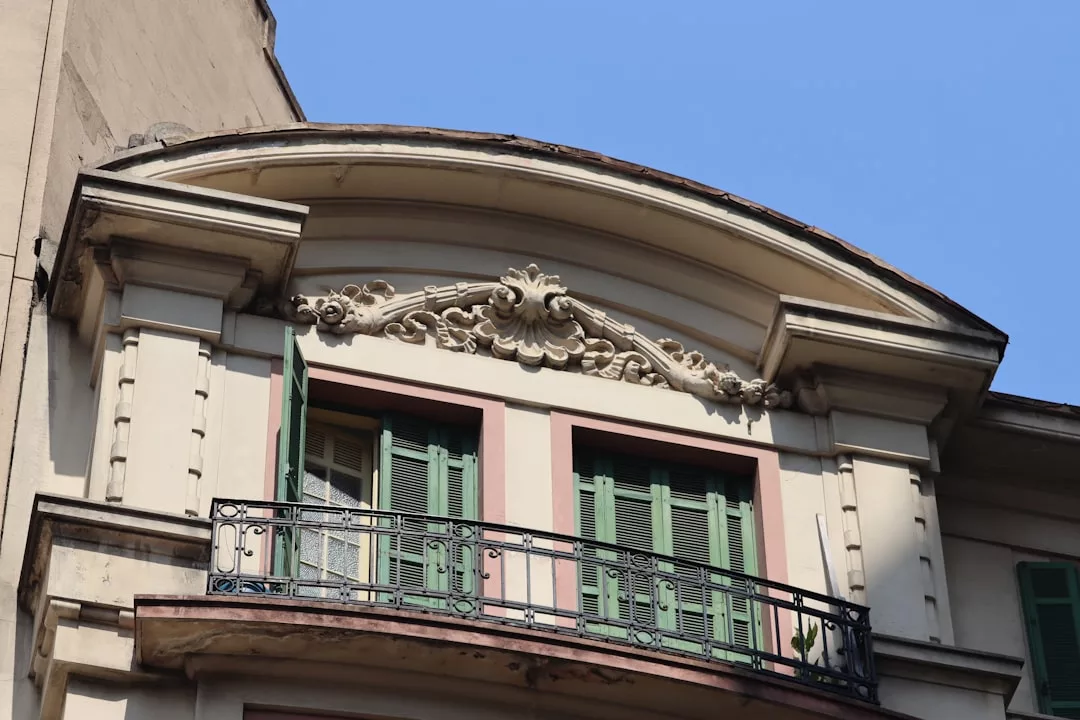
Historical preservation guidelines in Palma’s Old Quarter are designed to maintain the architectural integrity and cultural significance of the area. These guidelines encompass a wide range of considerations, from the preservation of original materials to the maintenance of traditional construction techniques. For example, when renovating a building, it is often required that original stonework, wooden beams, and other historical elements be preserved or restored rather than replaced.
This commitment to authenticity not only honors the past but also enhances the overall aesthetic appeal of the neighborhood. Moreover, these guidelines often dictate specific color palettes and design elements that are in harmony with the historical context of the Old Quarter. For instance, bright colors may be discouraged in favor of more muted tones that reflect traditional Mediterranean architecture.
Additionally, any new construction or additions must be designed in a way that complements existing structures rather than detracting from them. This careful attention to detail ensures that renovations contribute positively to the character of Palma’s Old Quarter while respecting its rich history.

Working with local authorities and heritage organizations
Collaboration with local authorities and heritage organizations is essential for successful renovation projects in Palma’s Old Quarter. These entities play a pivotal role in overseeing compliance with preservation regulations and can provide valuable insights into best practices for maintaining historical integrity. Engaging with these organizations early in the renovation process can facilitate smoother interactions with regulatory bodies and help identify potential challenges before they arise.
Heritage organizations often have resources available for property owners, including guidelines, workshops, and even financial assistance programs aimed at promoting responsible renovations. By establishing a rapport with these groups, renovators can gain access to a wealth of knowledge about historical architecture and preservation techniques. Furthermore, local authorities may offer advice on navigating the permitting process or connecting with skilled craftsmen who specialize in traditional restoration methods.
This collaborative approach not only enhances the quality of renovations but also fosters a sense of community among those invested in preserving Palma’s cultural heritage.
Navigating zoning and building codes in the Old Quarter
Zoning and building codes are critical components of any renovation project in Palma’s Old Quarter. These codes dictate how properties can be used and what types of modifications are permissible within specific zones. For instance, certain areas may be designated for residential use only, while others may allow for commercial activities.
Understanding these distinctions is vital for property owners who wish to avoid legal complications or fines associated with non-compliance. In addition to zoning regulations, building codes outline safety standards that must be adhered to during renovations. These codes cover everything from structural integrity to fire safety measures, ensuring that any modifications made to a building do not compromise its safety or that of its occupants.
Navigating these codes can be complex, particularly in an area where buildings have unique historical features that may not conform to modern standards. Therefore, it is advisable for renovators to consult with professionals who have experience working within these frameworks to ensure compliance while achieving their renovation goals.
Environmental considerations for renovation projects
Environmental considerations are increasingly becoming a focal point in renovation projects within Palma’s Old Quarter. As awareness of sustainability grows, property owners are encouraged to adopt eco-friendly practices during renovations. This includes using sustainable materials, implementing energy-efficient systems, and considering the environmental impact of construction activities on the surrounding area.
For example, when selecting materials for renovations, property owners might opt for reclaimed wood or locally sourced stone that aligns with both sustainability goals and historical preservation guidelines. Additionally, incorporating energy-efficient windows or insulation can significantly reduce a building’s carbon footprint while enhancing comfort for occupants. Furthermore, careful planning around construction schedules can minimize disruption to local wildlife and ecosystems, ensuring that renovation efforts do not negatively impact Palma’s natural environment.
Hiring qualified architects and contractors for Old Quarter renovations
The importance of hiring qualified architects and contractors cannot be overstated when it comes to renovations in Palma’s Old Quarter. Professionals with experience in historical preservation understand the nuances of working within strict regulatory frameworks and are adept at balancing modern needs with historical integrity. Their expertise is invaluable in navigating complex permitting processes and ensuring compliance with local guidelines.
When selecting architects and contractors, it is essential to review their portfolios and seek references from previous clients who have undertaken similar projects in historic areas. A qualified professional will not only possess technical skills but also demonstrate a deep appreciation for architectural history and cultural significance. This combination ensures that renovations are executed thoughtfully and respectfully, preserving the unique character of Palma’s Old Quarter while meeting contemporary standards.
Balancing modern amenities with historical charm in renovations
One of the most significant challenges faced by renovators in Palma’s Old Quarter is balancing modern amenities with historical charm. While contemporary conveniences are essential for comfortable living or operating a business, they must be integrated seamlessly into existing structures without compromising their historical value. This requires innovative design solutions that respect traditional aesthetics while enhancing functionality.
For instance, installing modern heating or cooling systems may necessitate creative approaches to maintain the visual integrity of a building’s interior spaces. Concealed ductwork or strategically placed vents can provide comfort without detracting from original architectural features such as exposed beams or decorative moldings. Similarly, incorporating modern lighting solutions can enhance visibility while highlighting historical elements rather than overshadowing them.
Achieving this balance is crucial for creating spaces that honor the past while accommodating present-day needs.

Ensuring safety and structural integrity in Old Quarter renovations
Ensuring safety and structural integrity is paramount during any renovation project in Palma’s Old Quarter. Many buildings in this historic area have endured centuries of wear and tear, making it essential to assess their condition thoroughly before undertaking any modifications. Structural engineers should be consulted to evaluate load-bearing walls, foundations, and other critical components to determine whether they can support new designs or require reinforcement.
Moreover, safety regulations must be adhered to throughout the renovation process. This includes implementing fire safety measures such as smoke detectors and fire escapes where necessary while ensuring compliance with accessibility standards for individuals with disabilities. By prioritizing safety alongside historical preservation efforts, renovators can create spaces that are not only beautiful but also secure for all occupants.
Budgeting and financing renovation projects in the Old Quarter
Budgeting for renovation projects in Palma’s Old Quarter requires careful planning and consideration of various factors unique to historic properties. Costs can quickly escalate due to unforeseen structural issues or the need for specialized materials and craftsmanship that adhere to preservation guidelines. Therefore, it is crucial for property owners to establish a realistic budget that accounts for both expected expenses and potential contingencies.
Financing options may also vary depending on the nature of the project and its alignment with local preservation goals. Some property owners may qualify for grants or low-interest loans aimed at promoting responsible renovations within historic districts. Additionally, engaging with financial advisors who understand the intricacies of funding renovation projects can provide valuable insights into available resources and strategies for managing costs effectively.
Showcasing the finished renovation and compliance with regulations
Once a renovation project is completed in Palma’s Old Quarter, showcasing the finished work while demonstrating compliance with regulations becomes an important step in celebrating both personal achievement and community heritage. Moreover, documenting compliance with local regulations is essential for maintaining good standing with authorities and heritage organizations.
This documentation may include photographs of before-and-after conditions, records of permits obtained during the renovation process, and evidence of adherence to preservation guidelines. By sharing their experiences and successes publicly, renovators contribute positively to the ongoing narrative of Palma’s Old Quarter while inspiring others to undertake similar projects that honor its rich history.