Tapas fusion at modern restaurants in Palma Nova
September 13, 2025

In recent years, Palma Nova has emerged as a vibrant culinary hub, with tapas fusion taking center stage in its gastronomic landscape. The rise of tapas fusion can be traced back to the increasing influx of international tourists and residents who bring with them diverse culinary traditions.
As chefs in Palma Nova began to experiment with these influences, traditional Spanish tapas underwent a metamorphosis, leading to innovative dishes that marry local ingredients with global flavors. The popularity of tapas fusion in Palma Nova is also fueled by the growing interest in experiential dining. Diners are no longer satisfied with simply enjoying a meal; they seek an experience that tantalizes their taste buds and engages their senses.
This desire has prompted chefs to push the boundaries of traditional tapas, incorporating elements from Asian, Latin American, and Mediterranean cuisines. As a result, the tapas scene in Palma Nova has become a dynamic tapestry of flavors, textures, and presentations that reflect both the region’s heritage and its contemporary culinary aspirations.
Key Takeaways
- Tapas fusion has risen in popularity in Palma Nova, offering a modern twist on traditional Spanish tapas.
- Global flavors have influenced the tapas scene in Palma Nova, leading to innovative pairings with local wines and cocktails.
- Local ingredients are creatively used in tapas fusion, reflecting the culinary diversity of Palma Nova.
- The evolution of tapas presentation in modern restaurants has played a role in the growing popularity of tapas fusion among locals and tourists.
- Tapas fusion in Palma Nova reflects the cultural mix of the city and embraces diversity while balancing tradition and innovation.
Exploring the Modern Twist on Traditional Spanish Tapas
Modern tapas fusion in Palma Nova often begins with a reimagining of classic Spanish dishes. For instance, the traditional patatas bravas, typically served with a spicy tomato sauce, may be transformed into a dish featuring sweet potato fries drizzled with a tangy miso aioli. This innovative approach not only retains the essence of the original dish but also introduces new flavors that excite the palate.
Chefs are increasingly experimenting with textures, using techniques such as sous-vide cooking or molecular gastronomy to create unexpected surprises in familiar dishes. Another example of this modern twist can be seen in the reinterpretation of gambas al ajillo, where succulent prawns are sautéed in garlic-infused olive oil but served atop a bed of coconut-infused quinoa. This fusion not only adds an exotic flair but also caters to health-conscious diners seeking lighter options.
By blending traditional Spanish ingredients with contemporary cooking methods and global influences, chefs in Palma Nova are crafting tapas that resonate with both locals and visitors, showcasing their creativity while honoring the roots of Spanish cuisine.
The Influence of Global Flavors on Tapas in Palma Nova
The culinary landscape of Palma Nova is undeniably shaped by global flavors that have found their way into the local tapas scene. The influence of Asian cuisine is particularly notable, with ingredients such as soy sauce, sesame oil, and fresh herbs being incorporated into traditional Spanish dishes. For example, a classic Spanish tortilla may be elevated with the addition of kimchi or sriracha, creating a unique fusion that pays homage to both cultures.
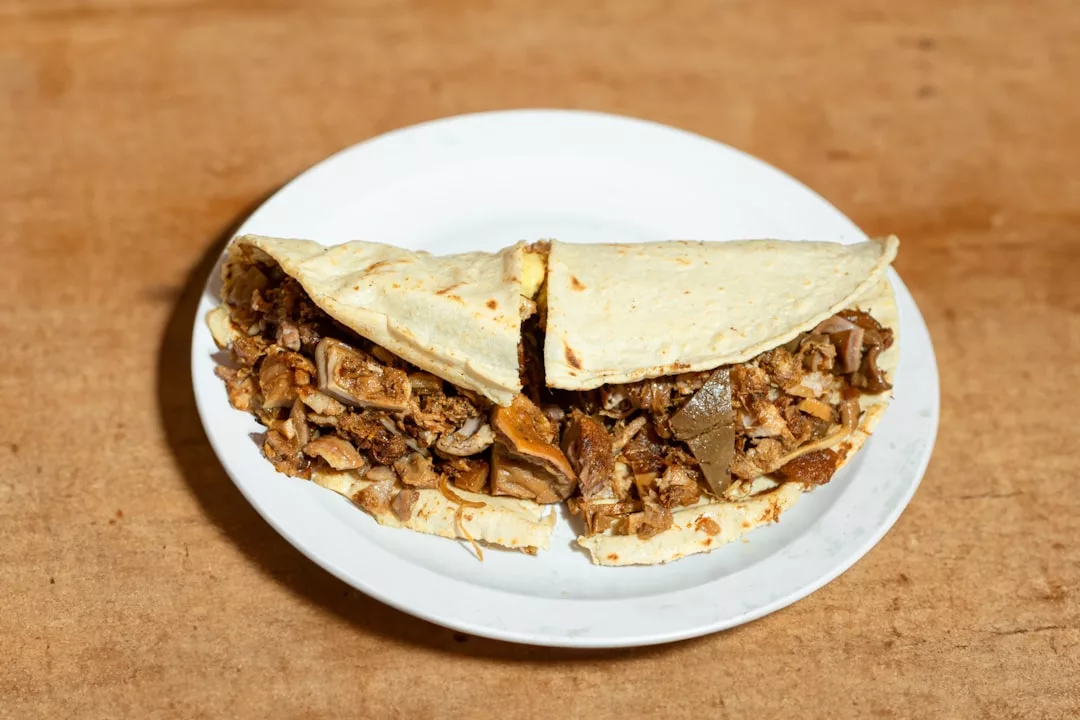
This blending of flavors not only enhances the dining experience but also reflects the interconnectedness of global culinary traditions. Latin American influences are also prevalent in Palma Nova’s tapas fusion scene. Dishes like chorizo tacos or empanadas filled with traditional Spanish ingredients showcase how chefs are drawing inspiration from neighboring cuisines while maintaining a distinctly Spanish identity.
The use of spices such as cumin and coriander adds depth to these dishes, creating a harmonious balance between familiar and exotic flavors. This cross-cultural exchange enriches the culinary tapestry of Palma Nova, making it a destination for food enthusiasts eager to explore innovative interpretations of traditional tapas.

Innovative Tapas Pairings with Local Wines and Cocktails
As tapas fusion continues to evolve in Palma Nova, so too does the art of pairing these innovative dishes with local wines and cocktails. The Balearic Islands are known for their exceptional wines, particularly those produced from indigenous grape varieties such as Manto Negro and Callet. Chefs and sommeliers are increasingly collaborating to create unique pairings that enhance the flavors of both the food and the drink.
For instance, a dish featuring grilled octopus with a spicy harissa sauce may be perfectly complemented by a chilled glass of local white wine, which balances the heat while highlighting the dish’s freshness. Cocktail culture has also taken root in Palma Nova, with mixologists crafting signature drinks that harmonize with tapas fusion offerings. A refreshing gin and tonic infused with botanicals can elevate a dish like crispy calamari served with a zesty citrus aioli.
The interplay between the cocktail’s herbal notes and the dish’s bright flavors creates a multi-dimensional dining experience that captivates patrons. This emphasis on thoughtful pairings not only enhances the enjoyment of tapas but also encourages diners to explore new flavor combinations that they may not have considered before.
The Creative Use of Local Ingredients in Tapas Fusion
One of the hallmarks of tapas fusion in Palma Nova is the creative use of local ingredients that reflect the region’s agricultural bounty. Chefs are increasingly sourcing fresh produce, seafood, and meats from local markets and farms, ensuring that their dishes are not only flavorful but also sustainable. For example, seasonal vegetables such as artichokes or asparagus may be incorporated into a modern take on pisto, a traditional ratatouille-like dish, adding freshness and vibrancy to the plate.
Moreover, local seafood plays a pivotal role in many tapas fusion creations. The Mediterranean Sea provides an abundance of fish and shellfish that chefs utilize to craft innovative dishes. A classic dish like bacalao (salted cod) might be reimagined as bacalao croquettes served with a spicy mango salsa, showcasing both local ingredients and global influences.
This commitment to using local produce not only supports regional farmers but also allows chefs to create dishes that are reflective of Palma Nova’s unique culinary identity.
The Evolution of Tapas Presentation in Modern Restaurants
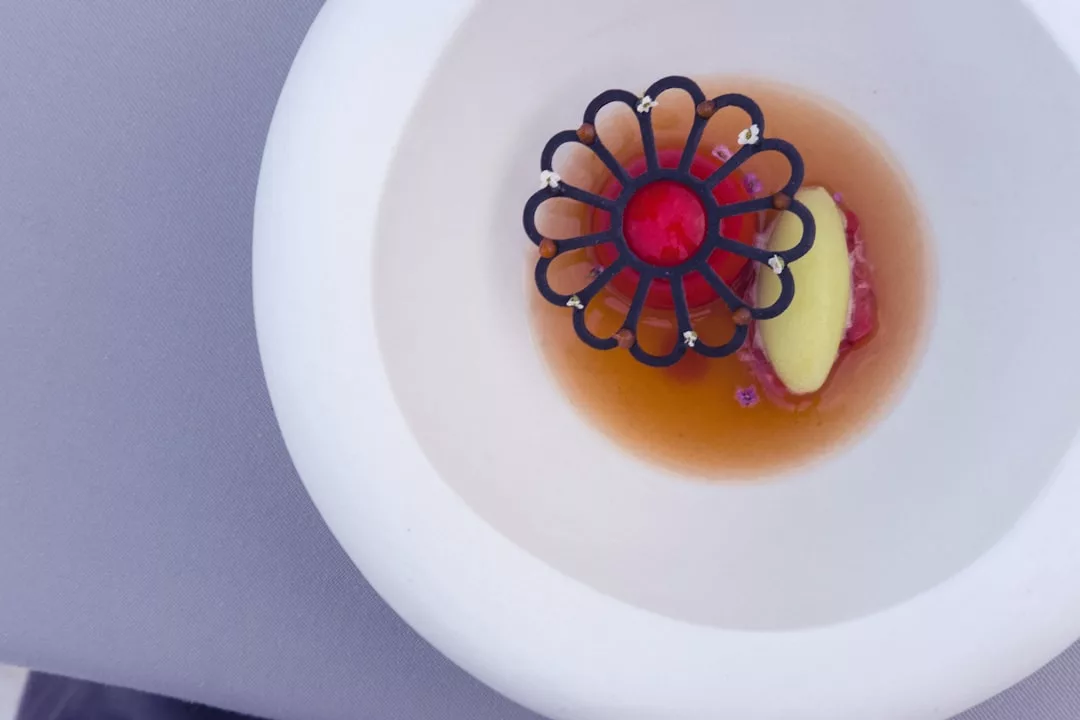
The presentation of tapas has undergone a significant transformation in modern restaurants throughout Palma Nova. Gone are the days when tapas were simply served on small plates; today’s chefs are embracing artistic plating techniques that elevate the dining experience. Dishes are often presented as vibrant compositions that engage both the eye and the palate.
For instance, a deconstructed gazpacho might be served in layers, showcasing colorful ingredients like heirloom tomatoes, cucumber foam, and microgreens arranged artfully on the plate. This evolution in presentation is not just about aesthetics; it also reflects a deeper understanding of how visual appeal can enhance flavor perception. Chefs are increasingly aware that diners eat with their eyes first, and as such, they strive to create dishes that are not only delicious but also visually stunning.
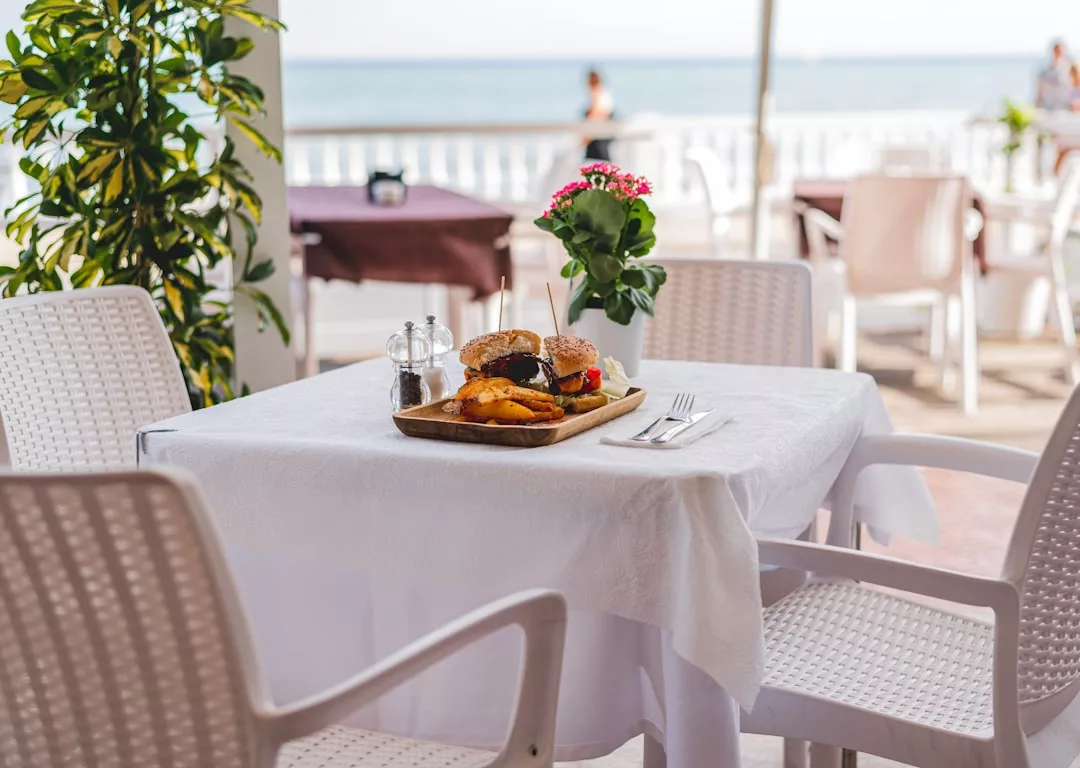
The use of unique serving vessels—such as slate tiles or wooden boards—adds an element of rustic charm while allowing for creative arrangements that invite diners to explore each component of the dish.
The Role of Tapas Fusion in Palma Nova’s Culinary Scene
Tapas fusion has become an integral part of Palma Nova’s culinary scene, contributing to its reputation as a gastronomic destination. The rise of innovative tapas restaurants has attracted food enthusiasts from around the world who seek to experience this unique blend of tradition and modernity. Establishments specializing in tapas fusion often serve as gathering places for locals and tourists alike, fostering a sense of community around shared culinary experiences.
Moreover, tapas fusion has encouraged collaboration among chefs, restaurateurs, and local producers. Many chefs participate in culinary festivals and events that celebrate this innovative approach to traditional cuisine, further solidifying Palma Nova’s status as a hub for culinary creativity. As restaurants continue to push boundaries and explore new flavor combinations, they contribute to an ever-evolving dialogue about food culture in the region.
Embracing Diversity: Tapas Fusion as a Reflection of Palma Nova’s Cultural Mix
Palma Nova’s cultural diversity is mirrored in its tapas fusion scene, where influences from various cuisines come together to create something truly unique. Chefs draw inspiration from their own backgrounds while also embracing elements from other traditions, resulting in dishes that tell stories of cultural exchange.
This embrace of diversity is evident not only in the flavors but also in the dining experiences offered by restaurants throughout Palma Nova. Many establishments host themed nights or special events that celebrate specific cuisines or cultural influences, allowing diners to explore different facets of tapas fusion. This cultural mix enriches the culinary landscape and invites patrons to engage with food on a deeper level, fostering appreciation for both tradition and innovation.
The Art of Balancing Tradition and Innovation in Tapas Fusion
The challenge for chefs engaged in tapas fusion lies in striking a balance between honoring traditional recipes and embracing innovation. While creativity is essential for developing new dishes, it is equally important to respect the cultural significance of traditional tapas. Chefs often find themselves navigating this delicate balance by incorporating familiar elements while introducing novel techniques or flavors.
For instance, when reinterpreting classic dishes like albondigas (meatballs), chefs may choose to use unconventional proteins such as lamb or quinoa while still maintaining traditional spices like paprika and garlic. This approach allows them to create something fresh without losing sight of what makes the original dish beloved. By thoughtfully blending tradition with innovation, chefs can craft tapas that resonate with both nostalgic diners and those seeking new culinary adventures.
The Growing Popularity of Tapas Fusion Among Locals and Tourists
The growing popularity of tapas fusion in Palma Nova is evident among both locals and tourists who flock to restaurants eager to sample these innovative creations. For locals, tapas fusion offers an exciting way to experience familiar flavors through a new lens, encouraging them to revisit traditional dishes they may have taken for granted. Tourists are drawn to this vibrant culinary scene as it provides an opportunity to explore Spanish cuisine while also indulging in global influences.
Social media has played a significant role in amplifying this trend, with diners sharing their experiences online and showcasing visually stunning dishes that capture attention. As word spreads about the unique offerings available in Palma Nova’s restaurants, more visitors are inclined to seek out these culinary experiences during their travels. This growing interest not only benefits individual establishments but also contributes to the overall economic vitality of the region.
The Future of Tapas Fusion: Trends and Developments in Palma Nova’s Restaurant Scene
Looking ahead, the future of tapas fusion in Palma Nova appears promising as chefs continue to innovate and adapt to changing culinary trends. Sustainability is likely to play an increasingly important role in shaping menus as diners become more conscious about sourcing practices and environmental impact. Chefs may focus on farm-to-table approaches that highlight seasonal ingredients while minimizing waste through creative use of byproducts.
Additionally, technology will likely influence how tapas fusion is experienced by diners. From interactive dining experiences that engage patrons in the cooking process to augmented reality menus that enhance storytelling around each dish, innovation will continue to redefine how food is presented and enjoyed. As Palma Nova embraces these trends while remaining rooted in its rich culinary heritage, it will undoubtedly solidify its position as a leading destination for tapas fusion enthusiasts seeking both tradition and creativity on their plates.