Understanding coastal protection laws for properties in Formentor
November 15, 2025

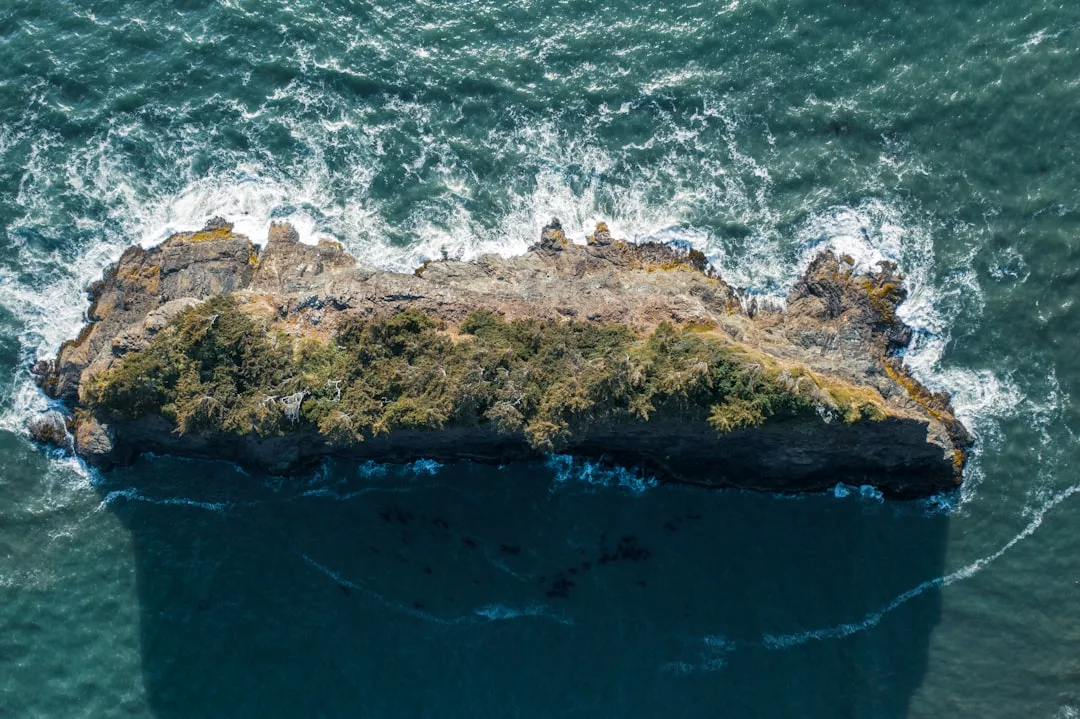
Formentor, a picturesque peninsula located in the Balearic Islands of Spain, is renowned for its stunning landscapes, crystal-clear waters, and rich biodiversity. The region’s natural beauty, however, is under constant threat from various anthropogenic activities, including urban development, tourism, and climate change. To safeguard its coastal ecosystems and maintain the integrity of its natural resources, Formentor has implemented a series of coastal protection laws.
These regulations are designed to balance the needs of property owners with the imperative of environmental conservation, ensuring that the delicate coastal environment is preserved for future generations. Coastal protection laws in Formentor are not merely bureaucratic hurdles; they represent a commitment to sustainable development and environmental stewardship. These laws encompass a wide range of regulations that govern land use, construction practices, and environmental impact assessments.
Property owners must navigate this complex legal landscape to ensure compliance while pursuing their development goals. Understanding these laws is crucial for anyone looking to invest in or develop property in this idyllic region, as they can significantly influence both the feasibility and legality of proposed projects.
Key Takeaways
- Coastal protection laws in Formentor aim to preserve the natural beauty and ecological balance of the coastline.
- Property owners in Formentor benefit from coastal protection laws by ensuring sustainable development and long-term property value.
- Formentor’s coastal protection regulations include setback requirements, height restrictions, and limitations on construction materials.
- Building restrictions in coastal areas are in place to minimize erosion, protect wildlife habitats, and maintain scenic views.
- Compliance with coastal protection laws can positively impact property values, while non-compliance may result in fines and legal consequences.
Importance of Coastal Protection Laws for Property Owners
Coastal protection laws serve as a critical framework for property owners in Formentor, providing guidelines that help mitigate risks associated with coastal erosion, flooding, and habitat destruction. By adhering to these regulations, property owners can protect their investments from the adverse effects of environmental degradation. For instance, properties situated too close to the shoreline may be at risk of damage from storm surges or rising sea levels.
Coastal protection laws help delineate safe building zones, thereby reducing the likelihood of property loss due to natural disasters. Moreover, these laws foster a sense of community responsibility among property owners. By promoting sustainable practices and protecting the coastal environment, property owners contribute to the overall health of the ecosystem.
This collective effort not only enhances the quality of life for residents but also attracts tourists who seek to experience Formentor’s natural beauty. In this way, coastal protection laws create a symbiotic relationship between property owners and the environment, ensuring that both can thrive together.
Overview of Formentor’s Coastal Protection Regulations
Formentor’s coastal protection regulations are comprehensive and multifaceted, addressing various aspects of land use and environmental conservation. The primary legal framework governing these regulations is derived from both national Spanish laws and regional Balearic legislation. Key components include restrictions on construction within designated coastal zones, requirements for environmental impact assessments before any development can commence, and guidelines for maintaining public access to beaches and natural areas.
One notable regulation is the Coastal Law of 1988 (Ley de Costas), which aims to protect Spain’s coastline from overdevelopment and environmental degradation. This law establishes a public domain along the coast, restricting private ownership and ensuring that coastal areas remain accessible to all. In Formentor, this translates into specific zoning laws that dictate where and how properties can be developed.
Property owners must familiarize themselves with these regulations to avoid potential legal pitfalls and ensure their projects align with local conservation goals.

Understanding Building Restrictions in Coastal Areas
Building restrictions in coastal areas are a cornerstone of Formentor’s coastal protection laws. These restrictions are designed to minimize the impact of development on fragile ecosystems while also safeguarding properties from environmental hazards. Generally, construction is prohibited within a certain distance from the shoreline, often referred to as the “setback” zone.
This distance can vary based on local conditions, such as erosion rates and ecological sensitivity. For example, new developments may be required to use materials that blend harmoniously with the natural surroundings or adhere to specific color palettes that reflect traditional Balearic architecture.
These building restrictions not only protect the environment but also enhance the aesthetic appeal of Formentor, ensuring that new constructions do not detract from the area’s natural beauty.
Impact of Coastal Protection Laws on Property Values
The interplay between coastal protection laws and property values in Formentor is complex and multifaceted. On one hand, stringent regulations can limit development opportunities, potentially leading to decreased property values in certain areas.
Conversely, properties that comply with coastal protection regulations may benefit from increased desirability among environmentally conscious buyers. As awareness of climate change and environmental sustainability grows, many individuals are seeking homes in areas that prioritize ecological preservation. In this context, properties that adhere to coastal protection laws may command higher prices due to their alignment with sustainable living principles.
Additionally, well-maintained coastal areas often attract tourism, which can further bolster local economies and enhance property values over time.
Compliance and Enforcement of Coastal Protection Laws
Compliance with coastal protection laws is essential for maintaining the ecological integrity of Formentor’s coastline. Local authorities are responsible for enforcing these regulations through regular inspections and monitoring activities. Property owners are required to obtain permits before commencing any construction or development projects, ensuring that all proposed activities align with established guidelines.
Failure to comply with coastal protection laws can result in significant penalties, including fines and orders to halt construction activities. In some cases, non-compliant structures may be subject to demolition if they are deemed detrimental to the environment or public safety. This strict enforcement underscores the importance of understanding and adhering to local regulations for property owners who wish to avoid costly legal repercussions.
Exceptions and Variances to Coastal Protection Regulations
While coastal protection laws in Formentor are designed to be stringent, there are provisions for exceptions and variances under certain circumstances. Property owners may apply for variances if they can demonstrate that their proposed project will not adversely impact the environment or violate the intent of existing regulations. This process typically involves submitting detailed plans and undergoing a thorough review by local authorities.
For example, a property owner seeking to build a small structure within a restricted setback zone may argue that their project will enhance public access to the beach or provide necessary amenities for local residents. If approved, such variances can allow for limited development while still prioritizing environmental protection. However, obtaining a variance can be a complex process requiring substantial documentation and justification, making it essential for property owners to engage with legal experts familiar with local regulations.
Potential Risks and Consequences of Non-Compliance
The risks associated with non-compliance with coastal protection laws in Formentor can be severe and far-reaching. Property owners who disregard these regulations may face legal action from local authorities or environmental organizations dedicated to preserving the region’s natural resources. This could result in costly fines or even mandatory restoration efforts if damage has occurred due to unauthorized development.
Additionally, non-compliance can have broader implications for community relations and public perception. Properties that violate coastal protection laws may become targets for community opposition or activism aimed at preserving the environment. Such negative attention can diminish property values and deter potential buyers who prioritize living in environmentally responsible communities.
Therefore, understanding and adhering to coastal protection laws is not only a legal obligation but also a crucial aspect of maintaining positive relationships within the community.

Steps for Obtaining Permits for Coastal Development
Navigating the permit application process for coastal development in Formentor requires careful planning and attention to detail. The first step is to conduct thorough research on local regulations and requirements specific to the proposed project site. Property owners should familiarize themselves with zoning laws, setback requirements, and any necessary environmental assessments that may be required.
Once armed with this knowledge, property owners can prepare their permit application by compiling all necessary documentation, including site plans, architectural drawings, and environmental impact assessments if applicable. Engaging with local authorities early in the process can provide valuable insights into potential challenges or additional requirements that may arise during review. After submitting the application, property owners should be prepared for a waiting period during which local authorities will evaluate the proposal against existing regulations before granting or denying the permit.
Resources for Property Owners to Navigate Coastal Protection Laws
For property owners in Formentor seeking guidance on navigating coastal protection laws, several resources are available to assist them in understanding their rights and responsibilities. Local government websites often provide comprehensive information on zoning regulations, permit applications, and contact information for relevant departments responsible for enforcement. Additionally, consulting with legal experts specializing in real estate or environmental law can offer invaluable insights into navigating complex regulatory frameworks.
These professionals can help property owners understand their obligations under coastal protection laws while also advising them on best practices for compliance. Furthermore, community organizations focused on environmental conservation may offer workshops or informational sessions aimed at educating property owners about sustainable practices and regulatory requirements.
Navigating Coastal Protection Laws for Property Owners in Formentor
Navigating coastal protection laws in Formentor is an essential endeavor for property owners who wish to develop or invest in this beautiful region while ensuring compliance with environmental regulations. By understanding the importance of these laws and their implications for property values and community relations, owners can make informed decisions that align with both their development goals and conservation efforts. Engaging with local authorities and seeking expert guidance will further empower property owners to successfully navigate this complex legal landscape while contributing positively to the preservation of Formentor’s stunning coastline.