Ikat Silk from the Fergana Valley: How a Handwoven Poncho Is Made
In ikat weaving the pattern is finished before a single thread reaches the loom. That inversion is what makes every piece unrepeatable.
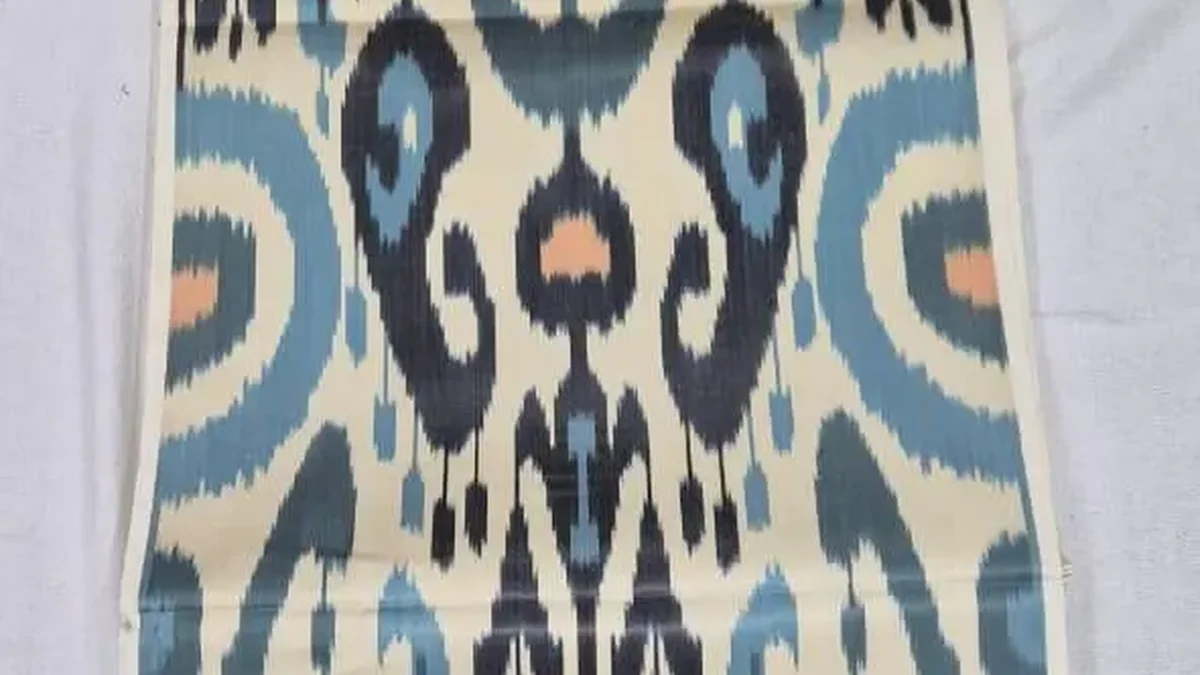
Most patterned textiles are decorated after they are made. Ikat reverses that order completely: the design must be fully resolved before the first thread is mounted on the loom. Everything that happens afterwards is execution, and the small deviations of that execution are precisely what gives the fabric its character.
The technique, step by step
Ikat is a resist-dyeing method. Threads are gathered into bundles and tied off at the exact sections that should stay light. The bundle is then dipped: tied sections repel the dye. For each additional colour, the process repeats, bind, dye, unbind, bind again. Only once every colour pass is complete are the threads mounted and woven.
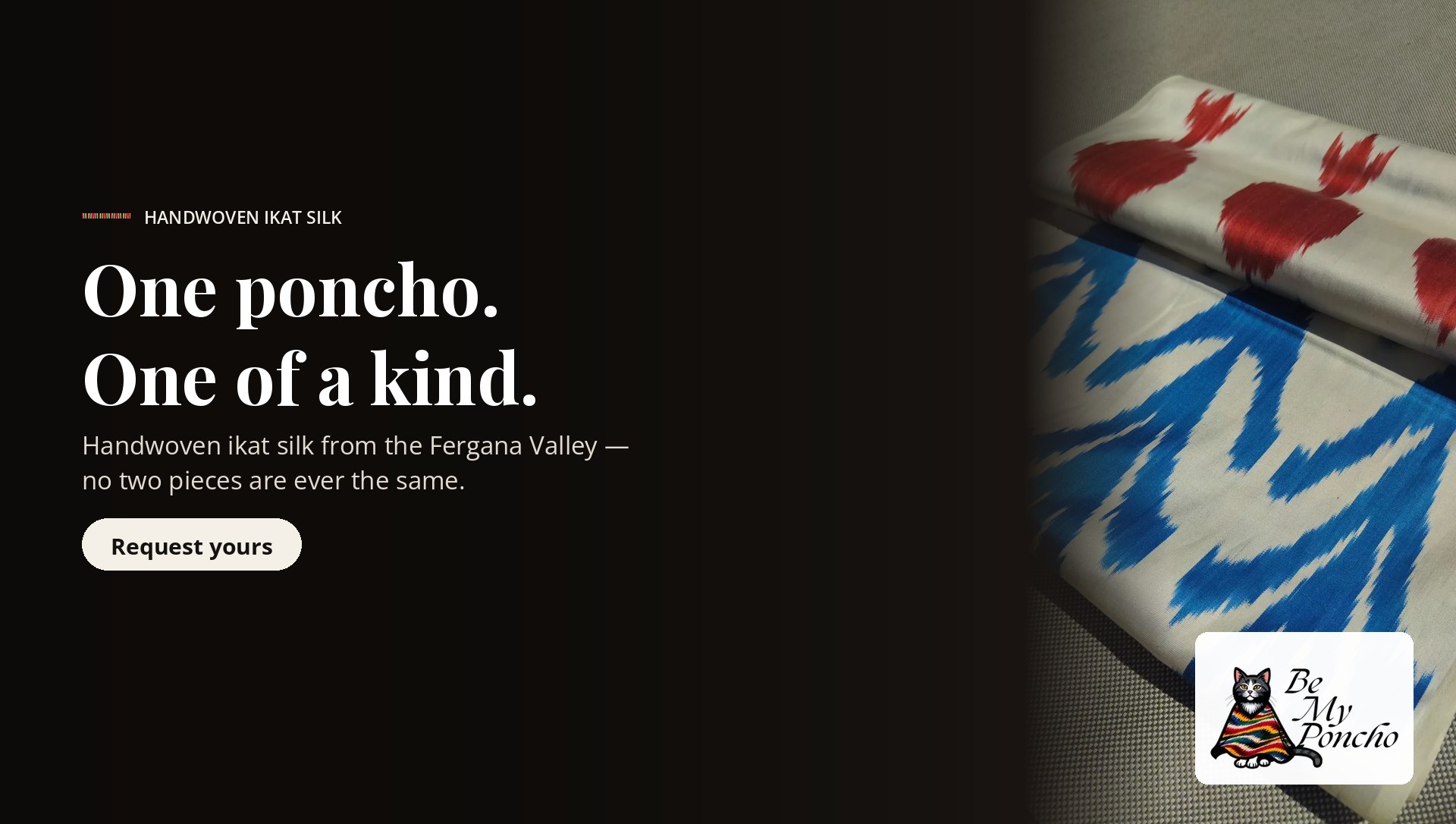
When the dyed threads are tensioned on the loom, each one shifts marginally against its neighbour. That shift produces the soft, feathered edge that defines ikat. In Uzbek the fabrics are known as cloud cloth, abr means cloud, and the name describes the effect precisely.
Three grades worth knowing
- Adras, a silk-and-cotton blend, combining silk's sheen with cotton's durability.
- Atlas, pure silk with a pronounced lustre and the fluid drape that only silk delivers.
- Bakhmal, ikat velvet, the most demanding grade, where the pile softens the pattern edges even further.
Why the Fergana Valley
The heart of Uzbek ikat weaving lies in the Fergana Valley in the east of the country. For centuries the region was among the most important stations on the Silk Road, the trade network that carried silk from East Asia to the Mediterranean. The city of Margilan remains a centre of Central Asian silk production, with workshops where the craft passes from one generation to the next.
These are the ikat fabrics BeMyPoncho works with. The brand itself is based in Mallorca, the idea took shape on the island in 2025, so each piece connects two places that never met on a map.
What "one of a kind" actually means
It is not a marketing phrase here but a consequence of the method. Two lengths from the same workshop, using the same pattern family, will look related and never identical: the colour transitions fall differently, the feathering varies, and the cut meets the bolt at a different point. Choosing a piece therefore means choosing a combination of colour and motif rather than picking a size from a rack.
How to recognise genuine ikat
Three checks are enough. The pattern edge should dissolve softly rather than stop sharply, a hard edge means print. The reverse must show the same motif, because the thread was dyed, not the surface. And slight irregularities across the repeat are evidence of hand-binding, not a defect.
Care
Handwoven silk does not belong in a washing machine. Air it rather than wash it, have it cleaned professionally only when necessary, store it flat so the weight does not pull into the shoulders, and keep it out of direct sunlight, prolonged exposure fades any dye.
BeMyPoncho · Tatjana Zellhuber · Handmade ponchos in ikat silk · Llucmajor, Mallorca
Contact: +49 1515 4609803 · info@bemyponcho.com
What makes ikat different from printed fabric?
The thread is bound and dyed before weaving, so the pattern sits inside the weave and is visible on both sides, with softly feathered edges. Printed fabric carries the motif on one surface only, with sharp edges.
Why is every ikat piece unique?
Because the pre-dyed threads shift slightly against one another when tensioned on the loom. That movement cannot be controlled and falls differently every time.
Where does the silk come from?
From the Fergana Valley in Uzbekistan, a historic Silk Road region centred on the city of Margilan, known for silk weaving for over a thousand years.
What are adras, atlas and bakhmal?
Traditional Uzbek fabric grades: adras is a silk-cotton blend, atlas is pure lustrous silk, and bakhmal is an ikat velvet.
More from Mallorca
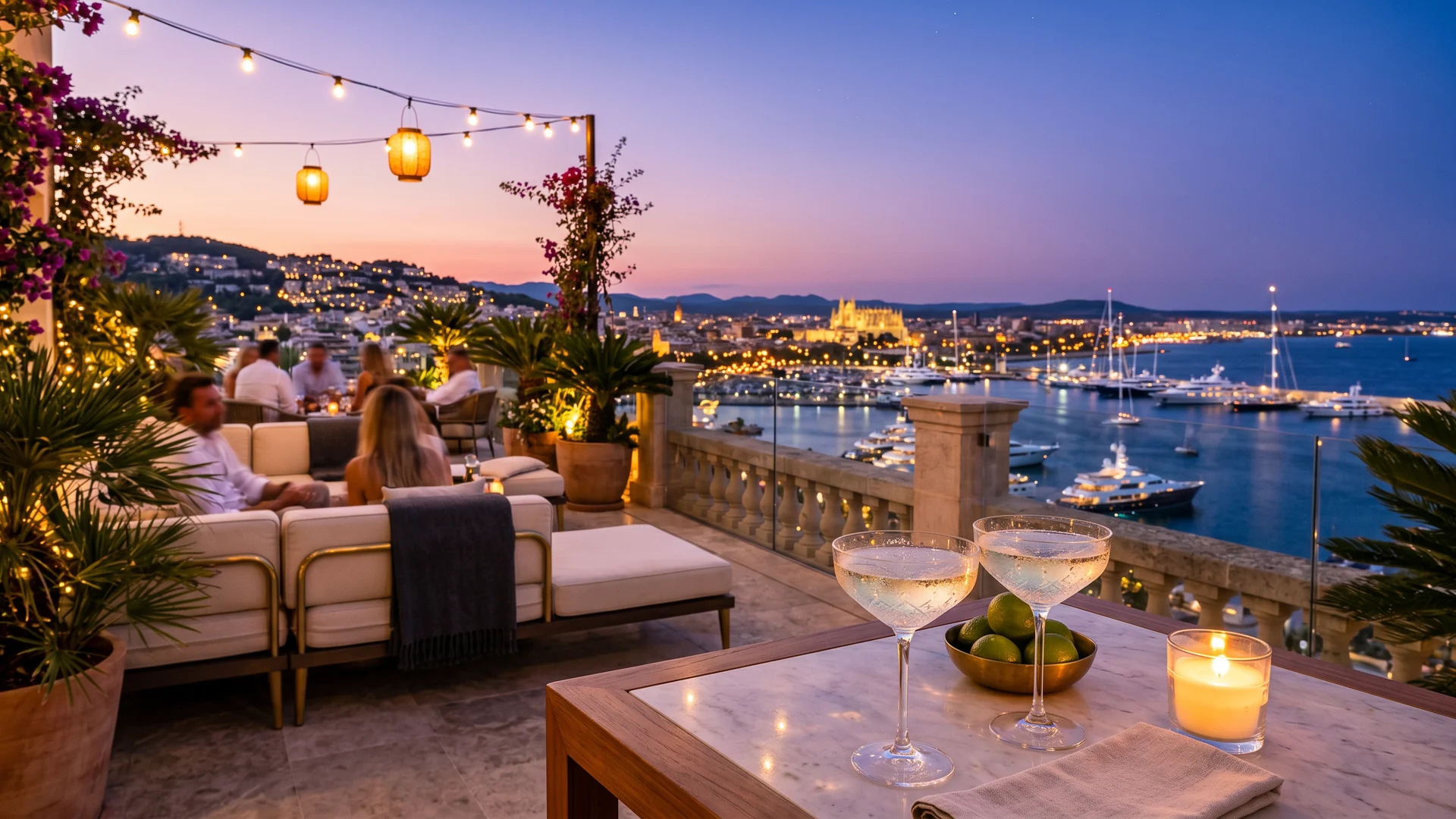
Mallorca Nightlife Guide
Mallorca nightlife guide: Palma cocktail bars, Puerto Portals marina glamour, superclubs Pacha and BCM, beach clubs, traditional cellers and casinos a…
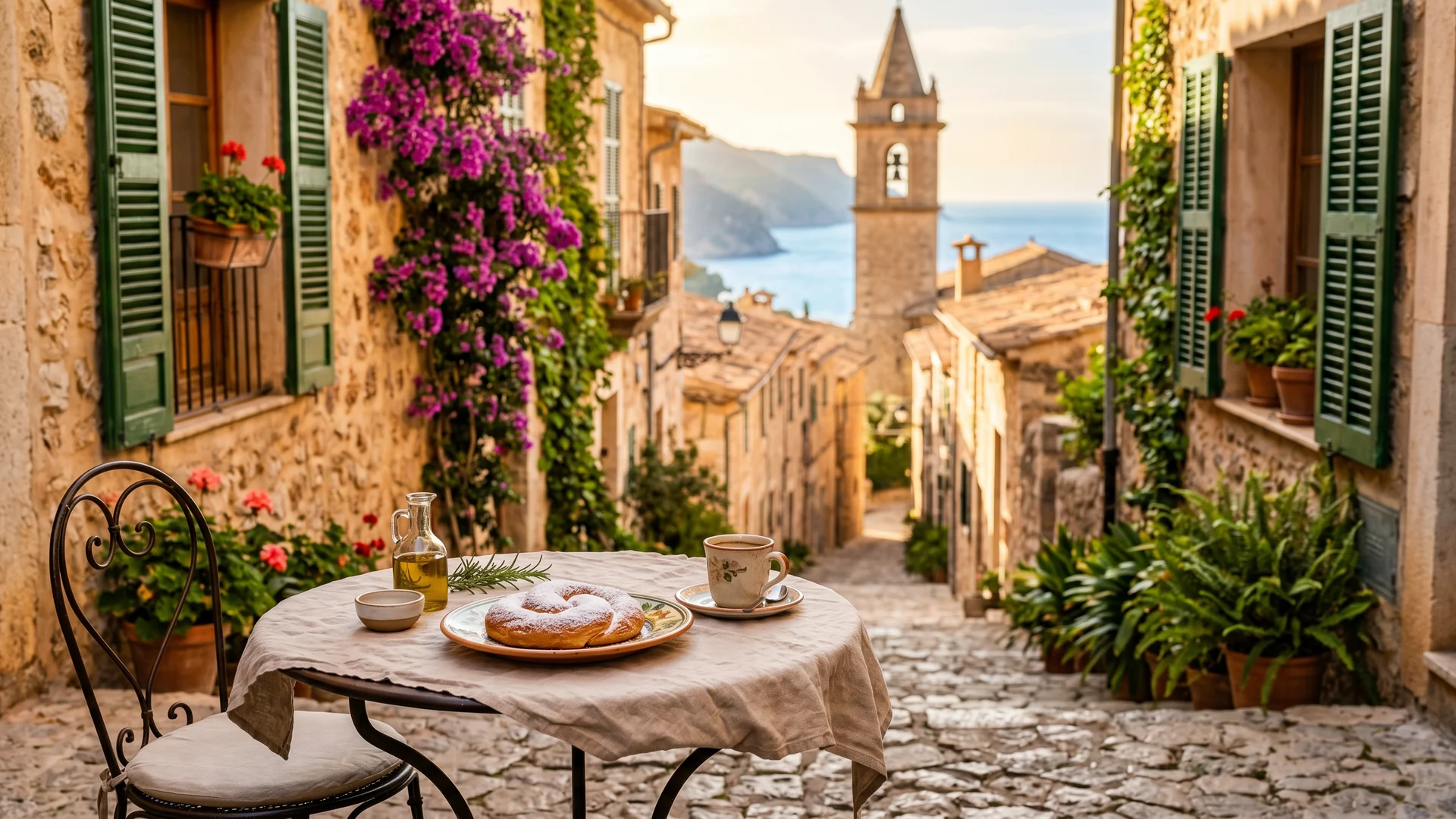
Mallorca Culture Guide
Mallorca culture guide: explore Palma Cathedral, Miro and Picasso museums, Castell de Bellver, Talayotic ruins, Valldemossa, festivals, crafts and the…
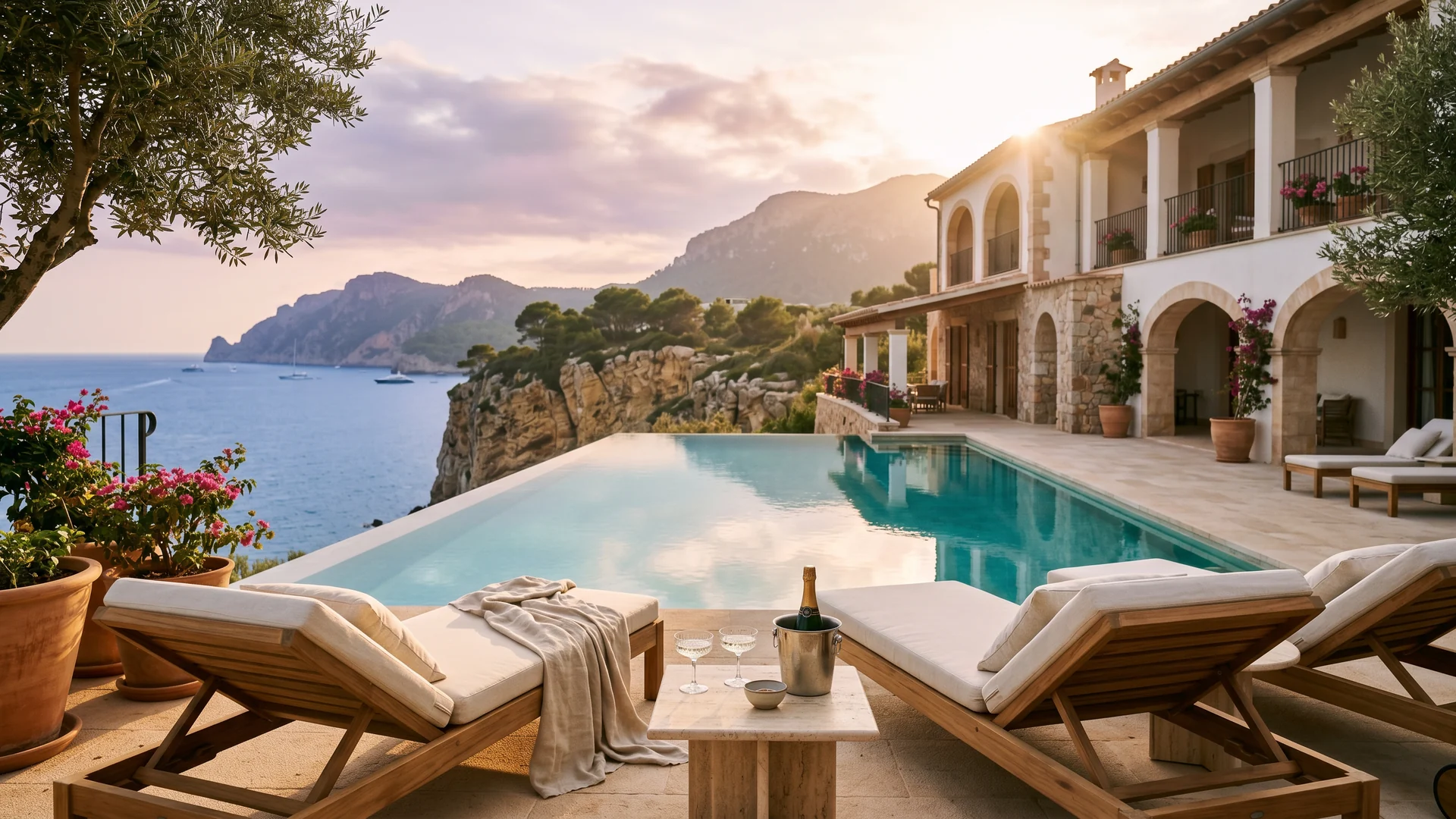
Mallorca Luxury Hotels
Discover Mallorca’s best luxury hotels, from Belmond La Residencia and cliffside Cap Rocat to St. Regis Mardavall, with rates, Michelin dining a…