Spain's charter licence rules, and what changed in August 2025
The individual licence is gone, the sworn declaration replaced it, and since 15 August 2025 the identification duties are considerably stricter.
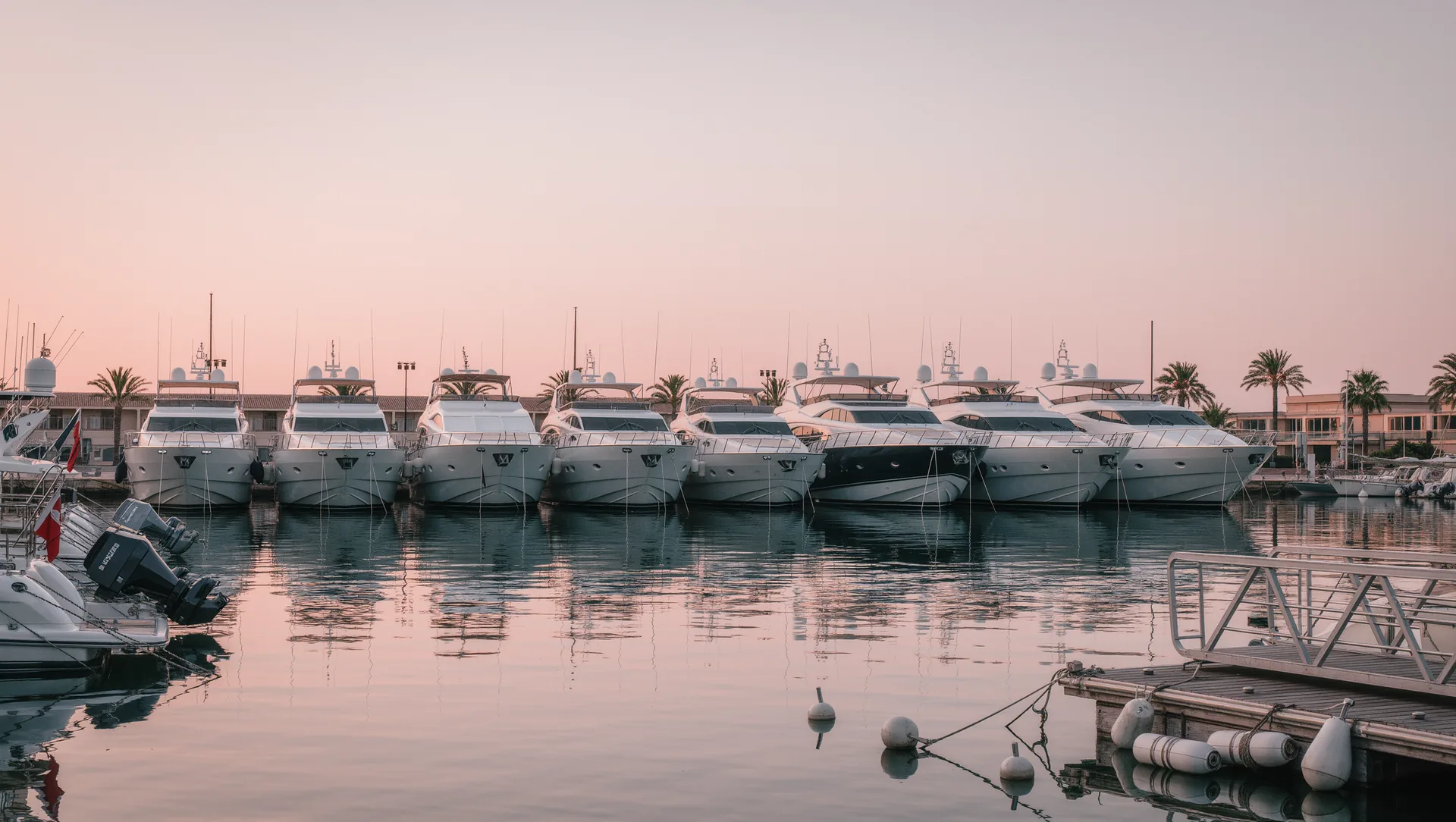
A yacht may only be chartered commercially in Spain if the operator has declared the activity to the authorities and the vessel meets the material and legal requirements for it. Spain replaced the old system of individually issued charter licences with a simplified procedure built on a sworn declaration of responsibility, and since 15 August 2025 stricter obligations on identification, location authorisation and passenger logging apply to every operator.
The responsible declaration
In the Balearic Islands the mechanism is the responsible declaration. The owner or operator files a document stating that both the vessel and the operator comply with every requirement for commercial activity in Spain. Filed together with a captain's declaration and the crew list, it allows operations to begin without waiting for an individual permit to be granted. The declaration does not lower the standard, it moves the check from before the activity to during it, and the sanction for a false declaration falls on the person who signed it.
What tightened in 2025
The 2025 rules push in one direction: the state wants to know who is on board, where the yacht is, and whether the trip is genuinely commercial. In practice that means documented crew and guest lists, clearer identification duties and authorisation tied to the place of operation. For the charter guest the visible effect is at handover, where a passport photograph and a signed list have become routine even on a small catamaran.
| Item | Before | Since 15 August 2025 |
|---|---|---|
| Authorisation | Individual charter licence | Responsible declaration on filing |
| Guest identification | Loosely handled | Stricter identification duties |
| Passenger record | Often informal | Logged and retained |
| Place of operation | Broad | Location authorisation |
Why the line between private and commercial matters so much
The commercial classification is what removes Spain's 12 per cent matriculation tax on vessels over 8 metres. That exemption is conditional on the activity being exclusively commercial, so the moment an owner uses the yacht privately the exemption is at risk and the tax authority can come back for the money. The tax mechanics are set out in our piece on the 12 per cent matriculation tax. Lawyers who work the Spanish market describe the private versus commercial boundary as the single most litigated question in Spanish yachting.
What a charterer should verify
Three checks take five minutes and remove almost all the risk. Ask whether the yacht holds a valid Spanish charter authorisation for the Balearics. Ask whether the captain is professionally qualified for a commercial voyage rather than a recreational one. Ask for the crew list procedure. An operator who answers all three without hesitation is running a compliant boat. One who treats the questions as unusual is telling you something.
Sources
Does a foreign flagged yacht need Spanish authorisation to charter here?
Is the responsible declaration a formality?
Can an owner use a commercially registered yacht privately?
What does location authorisation mean in practice?
As a guest, am I liable if the yacht is not compliant?
More from Yachting
The 12 per cent matriculation tax, and when a yacht escapes it
Spain taxes vessels over 8 metres used by residents at 12 per cent. Exclusively commercial charter yachts pay nothing, and the word exclusively is doi
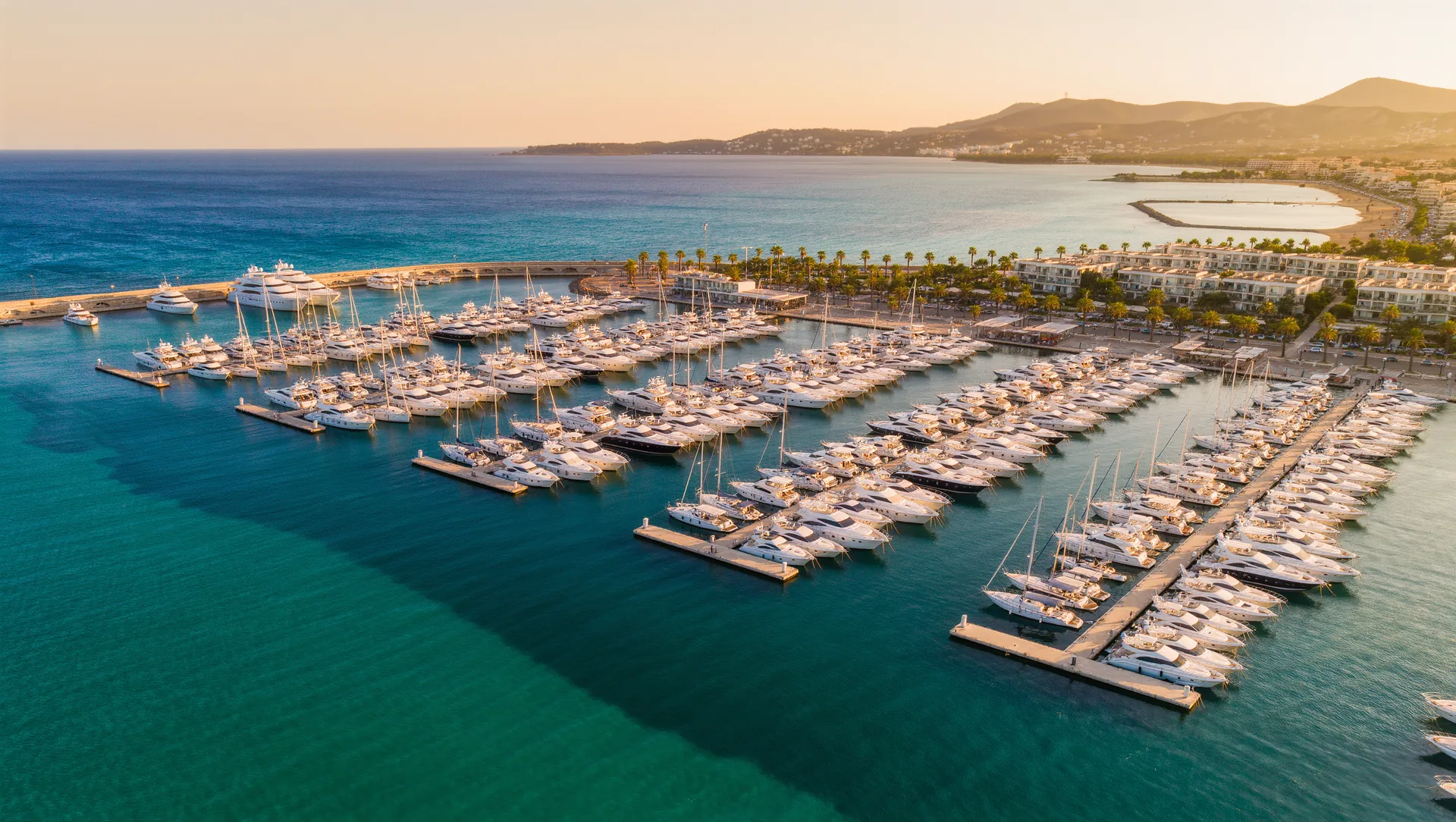
What a berth in Mallorca costs, from 15 to 30 metres
A 30 metre berth at Port Adriano is quoted at about 91,000 euros a year. The nightly rate in the same water starts near 50 euros and passes 350 in sea
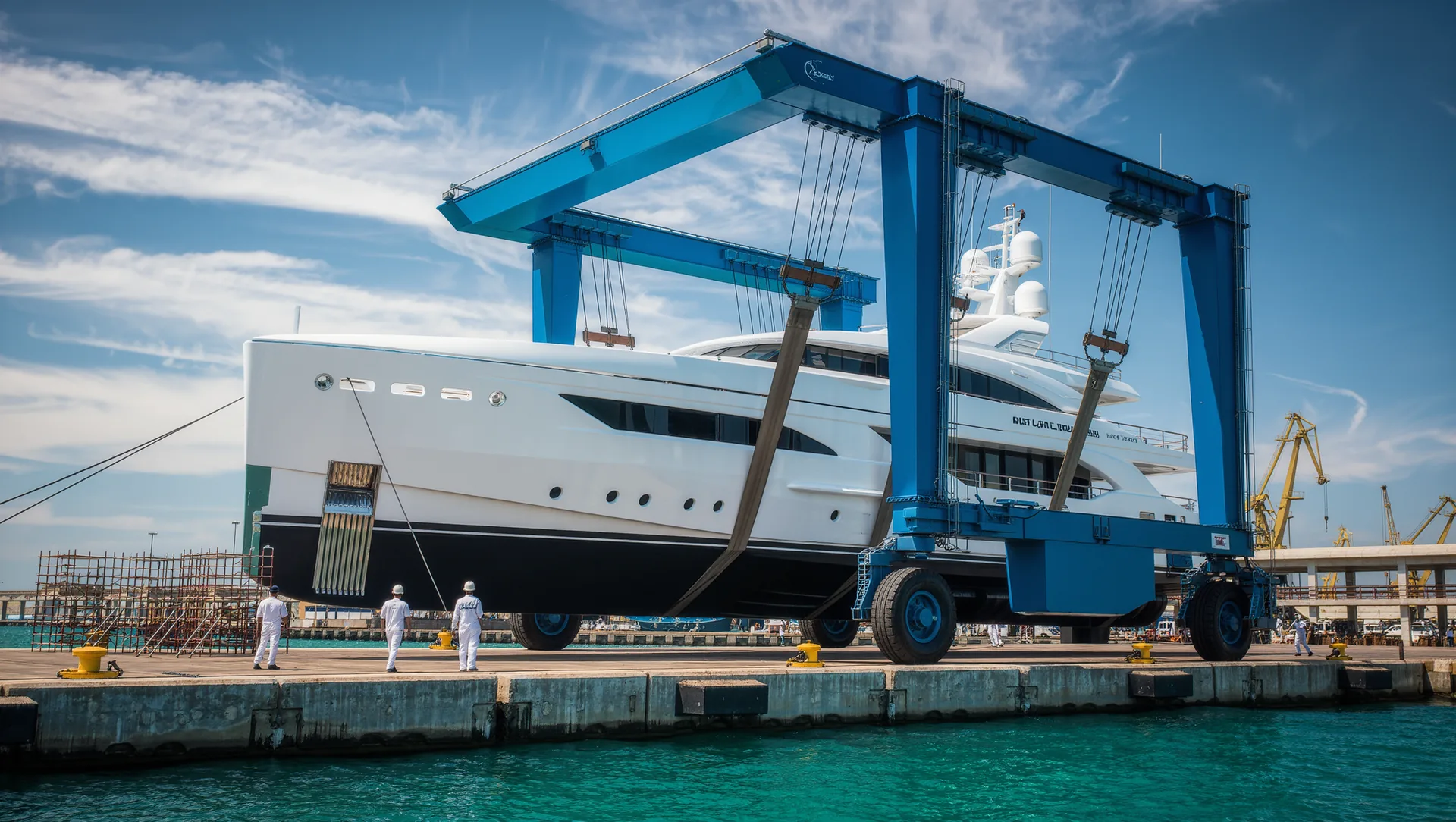
The machine that lifts 1,000 tonnes: how Palma became a refit capital
Europe's largest travel lift stands in Palma. It is 26 metres long, 25 metres high and picks up sailing yachts of 67 metres.