The 12 per cent matriculation tax, and when a yacht escapes it
Spain taxes vessels over 8 metres used by residents at 12 per cent. Exclusively commercial charter yachts pay nothing, and the word exclusively is doing all the work.
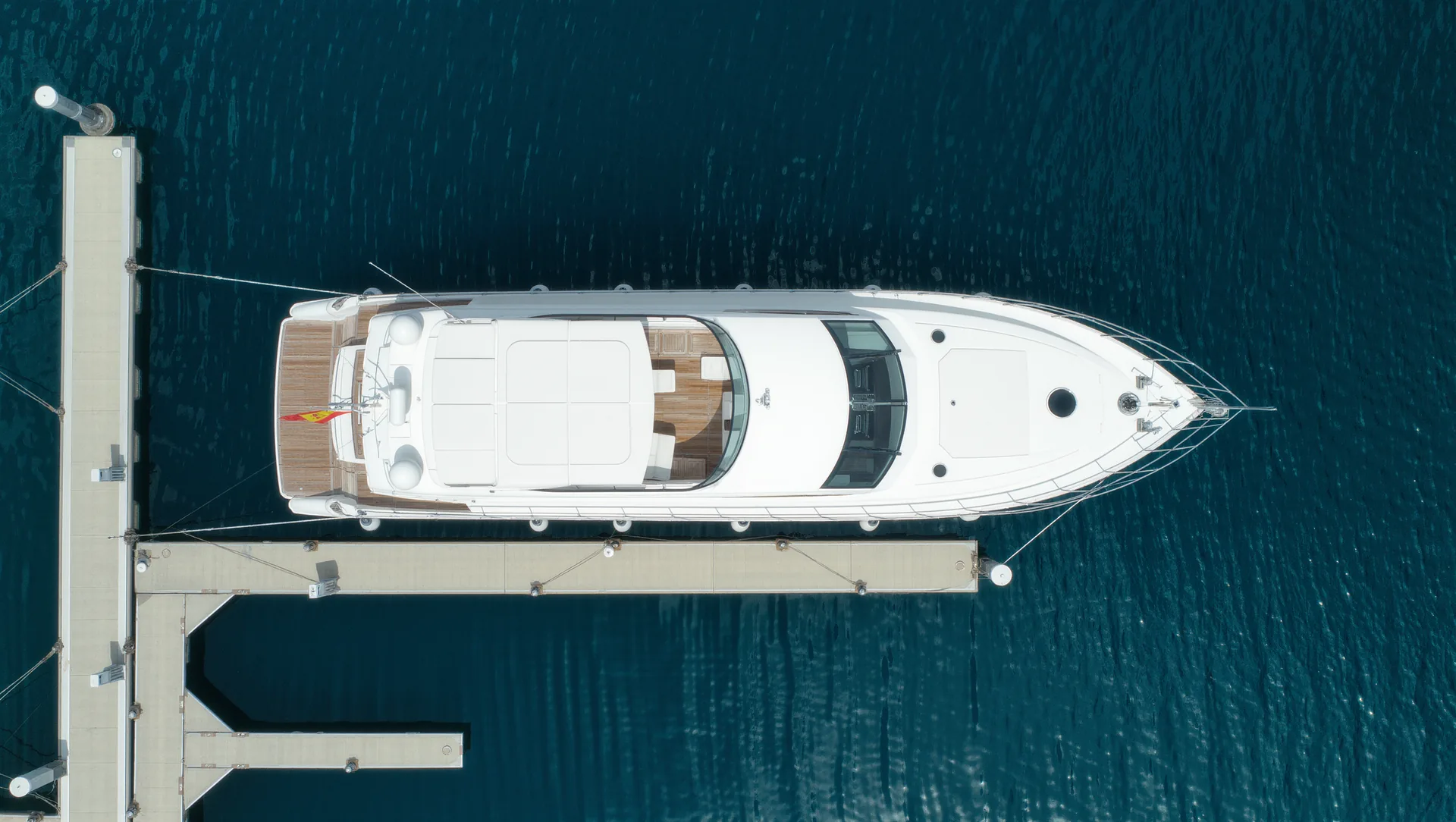
Spain charges a matriculation tax, the IEDMT, of 12 per cent on recreational vessels longer than 8 metres that are used by Spanish residents or registered in Spain. Vessels operated exclusively for commercial charter carry a rate of 0 per cent. The exemption is not a discount and not a rounding, it is conditional on the activity, and the condition is the entire subject.
What triggers the tax
Two elements combine: length and use. Above 8 metres of hull, and used by a resident of Spain, the vessel falls into the scope of the tax. The base is the value of the vessel, so on a boat valued at 2 million euros the 12 per cent rate is 240,000 euros, payable once at registration. It sits alongside, not instead of, the 21 per cent VAT that applies to charter fees.
| Use | Length | IEDMT rate | Worked example on 2,000,000 EUR |
|---|---|---|---|
| Private, resident owner | Over 8 m | 12 per cent | 240,000 EUR |
| Private, resident owner | 8 m or less | Outside scope | 0 EUR |
| Exclusively commercial charter | Any | 0 per cent | 0 EUR |
The word that decides everything
Exclusively means what it says. A yacht that charters for the season and carries the owner and his guests for two weeks in August is not exclusively commercial, and the tax authority can assess the 12 per cent retroactively along with interest. This is why Spanish yacht lawyers treat the private versus commercial boundary as the most contested question in the market and why documentation of every voyage matters more than the marketing brochure. The regulatory side of that boundary is covered in our piece on Spain's charter licensing rules.
What this means for a charter guest
Nothing directly, and something indirectly. The tax is the owner's liability, but it explains why serious charter yachts in Palma run tight paperwork, why owners' own weeks are booked and invoiced like any other charter, and why an operator who offers to keep a trip off the books is not saving you money but importing a tax problem into your holiday.
Registration and flag
Registration in Spain places the vessel in the Spanish register with the obligations attached to it, including the matriculation tax where the exemption does not apply. Owners who move a yacht into Spanish ownership structures for the first time usually take the tax question before the flag question, because the answer to the second rarely changes the first.
Sources
Is the tax charged once or every year?
Does the 8 metre threshold refer to hull length?
Can a non resident owner avoid the tax?
Does chartering for one season create the exemption?
How does this interact with VAT?
More from Yachting
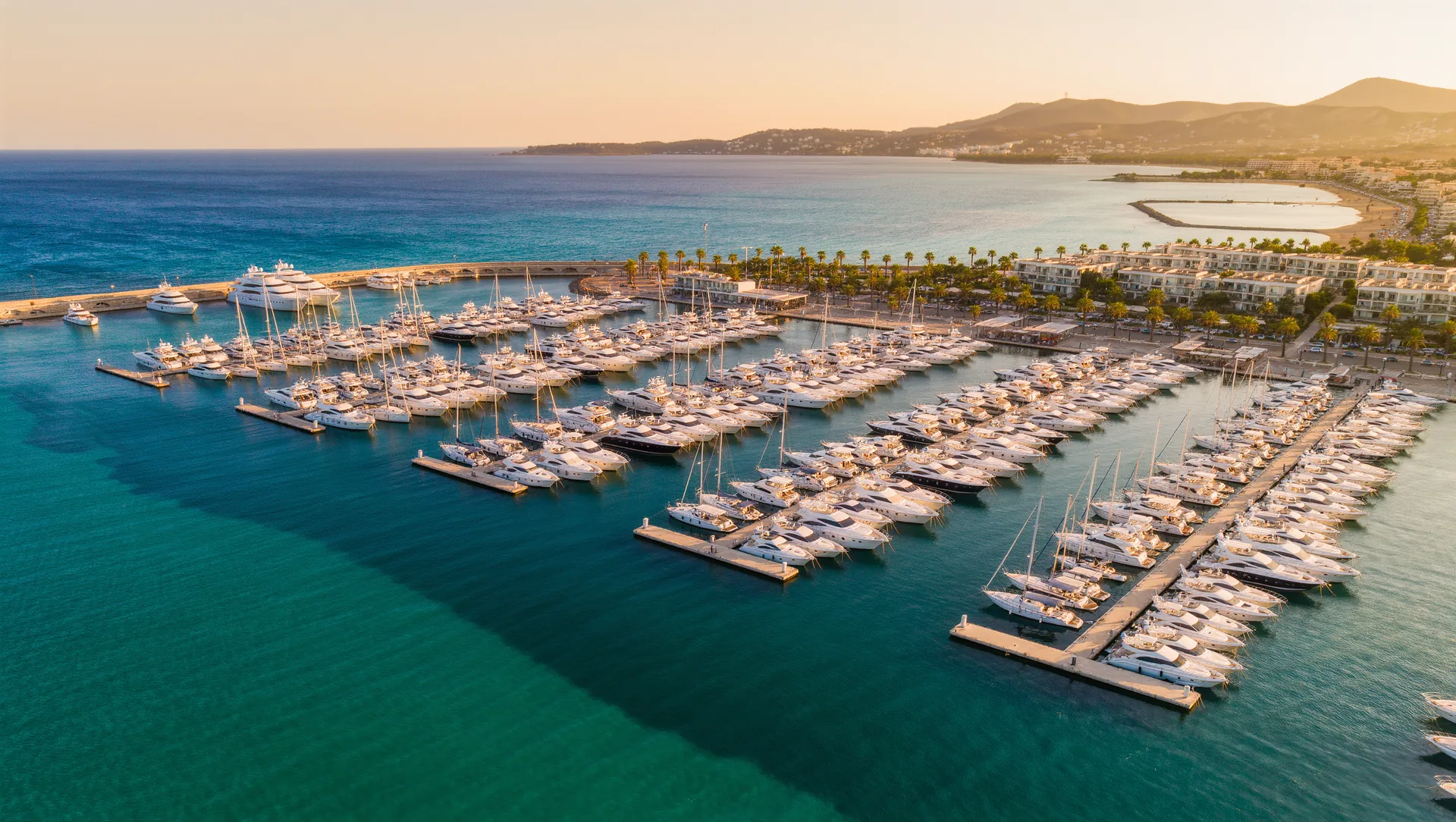
What a berth in Mallorca costs, from 15 to 30 metres
A 30 metre berth at Port Adriano is quoted at about 91,000 euros a year. The nightly rate in the same water starts near 50 euros and passes 350 in sea
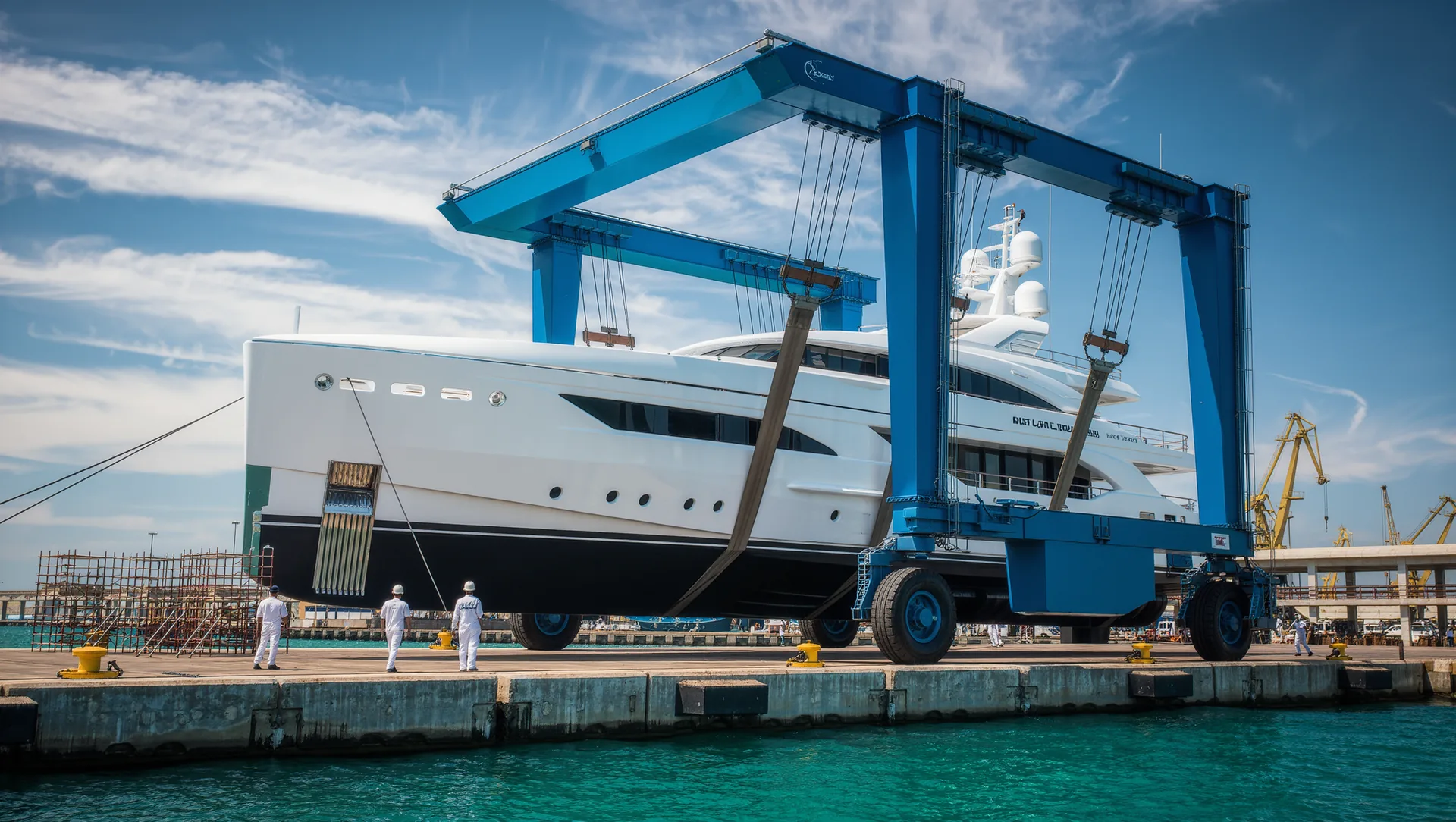
The machine that lifts 1,000 tonnes: how Palma became a refit capital
Europe's largest travel lift stands in Palma. It is 26 metres long, 25 metres high and picks up sailing yachts of 67 metres.
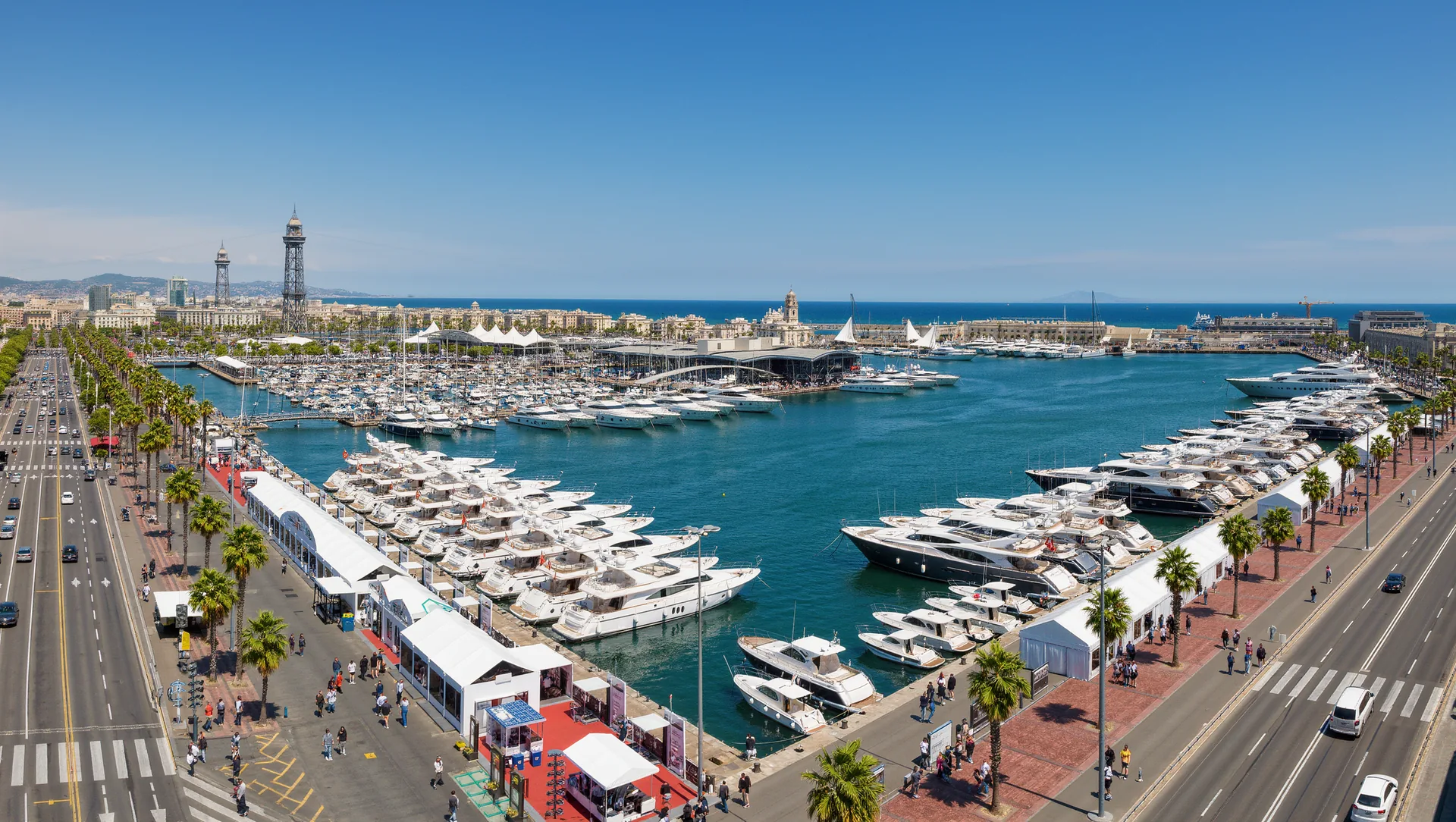
Palma International Boat Show 2026: dates, scale and what is worth seeing
29 April to 2 May 2026 on the Moll Vell, 295 exhibitors, more than 300 yachts, and a new build hub of 5,000 square metres at Club de Mar.