Mallorca Beaches Guide
Mallorca beaches guide: from Caribbean-style Es Trenc and family-friendly Playa de Muro to luxury beach clubs, water sports and dramatic Tramuntana coves.…
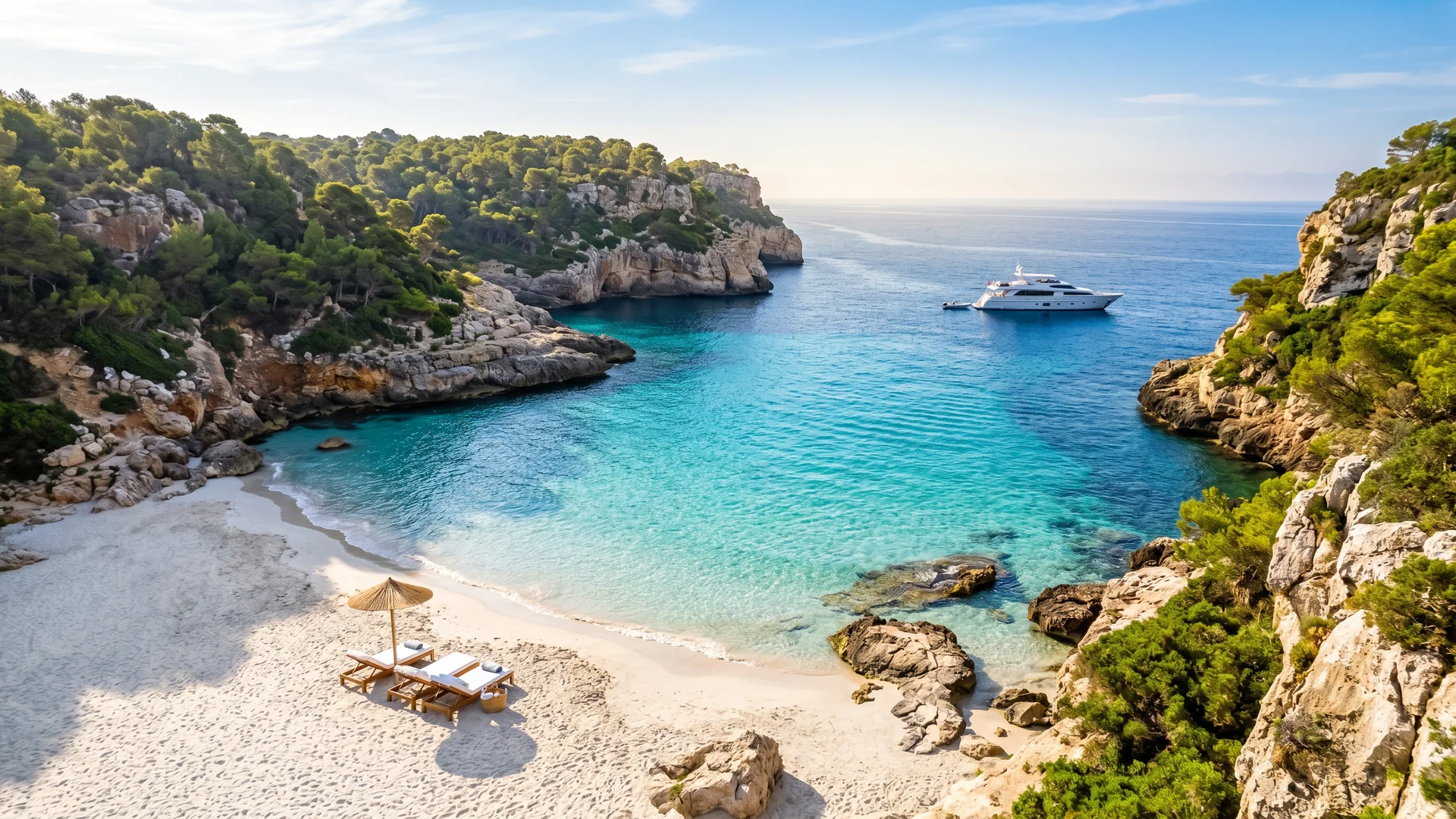
Mallorca's 550 kilometers of coastline offer a beach for every mood, from Caribbean-style Es Trenc to dramatic mountain coves like Cala Deia and glamorous beach clubs.
Key Takeaways
- Es Trenc is Mallorca's most famous natural beach: a protected 3.5-kilometer stretch of fine white sand with no buildings, where sunbeds cost about 15 euros and parking 7 euros.
- Playa de Muro in the Bay of Alcudia stretches over 6 kilometers with water so shallow you can walk out 50 meters and stay waist-deep, making it ideal for young children.
- Cala Deia and Cala Tuent on the northwest coast are dramatic pebble coves beneath the Tramuntana mountains, with Cala Tuent sitting at the foot of Puig Major, Mallorca's highest peak.
- Luxury beach clubs range from Purobeach Palma (day beds from about 60 euros) to Gran Folies near Port d'Andratx (from about 70 euros) and Mhares Sea Club (from about 50 euros).
- Beach season runs May through October, with August water temperatures reaching 26 degrees Celsius and most beaches consistently earning Blue Flag status.
- Water sports are widespread: windsurfing and kitesurfing thrive on the Embat thermal winds, with lessons from about 60 euros per hour and scuba dives from about 50 euros.
- Es Trenc, Cala Varques and Playa del Mago have nudist sections, while the LGBTQ+ scene centers on Es Trenc, Cala des Moro and Playa de Palma near Balneario 6.
🌐 Also available in: Español
Mallorca’s Beach Paradise
A Coastline of Contrasts
Mallorca’s 550 kilometers of coastline encompass an extraordinary diversity of beaches, from vast expanses of white sand backed by dunes to intimate rocky calas accessible only by sea. The island’s beaches have been shaped by millennia of geological processes, the same limestone that forms the dramatic Tramuntana cliffs has been carved by the sea into countless coves, while the flatter eastern and southern coasts feature long sandy beaches that rank among the Mediterranean’s finest. Whether you seek the vibrant energy of a beach club with DJ sets and champagne service or the pristine solitude of a cove reachable only by hiking trail, Mallorca has a beach for every mood and moment.The Southwest: Glamour and Convenience
Playa de Palma
Playa de Palma stretches for nearly 6 kilometers east of Palma, from Can Pastilla to s’Arenal. This is Mallorca’s most accessible and developed beach strip, with a wide expanse of golden sand, calm shallow waters, and a promenade lined with restaurants, bars, and shops. The beach has been significantly upgraded in recent years with improved facilities. Balneario 6 (beach area 6) is the most sophisticated section, with several excellent chiringuitos like Anima Beach Club and the newly renovated Nassau Beach Club. Sunbed rental approximately 15-25 euros per day.
Illetas and Cala Comtesa
Illetas, just 15 minutes from Palma, consists of three small sandy coves separated by rocky outcrops. The water here is exceptionally clear, and the setting, with pine trees coming down to the water’s edge, is beautiful. The Balneario Illetas beach club has been a Palma institution for decades, offering restaurant service, sunbeds, and direct sea access. The coves can become very crowded in summer; arrive before 10 am or book the beach club in advance. Nearby Cala Comtesa offers a quieter alternative.
Portals Vells (Cala del Mago)
Portals Vells, also known as Cala del Mago, near the exclusive marina of Puerto Portals, is a beautiful sandy cove with a relaxed, family-friendly atmosphere. The pine woods behind the beach provide welcome shade. A small chiringuito serves drinks and simple food. The beach has a nudist section at its northern end.
The Southeast: Caribbean-Style Paradise
Es Trenc
Es Trenc is Mallorca’s most famous natural beach and for good reason. This 3.5-kilometer stretch of fine white sand backed by dunes and salt flats creates a landscape that genuinely evokes the Caribbean. The beach is protected as part of the Es Trenc-Salobrar de Campos Natural Area, meaning there are no buildings, no hotels, and no permanent structures, just sand, sea, and sky. The water is shallow and turquoise, ideal for swimming and wading. Sunbed rental costs approximately 15 euros. Parking costs 7 euros in the official lot. Arrive before 9:30 am in peak summer to secure a good spot and parking. The southern end near Colonia de Sant Jordi, known as Es Trenc Petit, is slightly quieter.
Cala Llombards
Cala Llombards, near Santanyi, is a picture-perfect cove with fine sand, crystal-clear water, and a backdrop of low pine-covered cliffs. It is less famous than nearby Cala Santanyi, and therefore slightly less crowded. A small chiringuito provides basic refreshments. The wooden fishermen’s huts at the water’s edge add to the authentic charm. Jumping from the rocks at the sides of the cove is a popular pastime. Parking is limited; arrive early.
Cala Mondragó and s’Amarador
Cala Mondrago and s’Amarador, within the Mondrago Natural Park, are two of the island’s most beautiful and natural beaches. Fine white sand, turquoise water, and a backdrop of pine forest and low dunes create a pristine environment. Well-maintained walking trails connect the beaches and lead to viewpoints and bird-watching hides. Basic facilities include toilets, showers, and a small restaurant. The natural park status protects the area from development, making these beaches feel remarkably untouched.
The Northeast and East: Family Favorites
Cala Mesquida and Cala Agulla
Cala Mesquida, near Capdepera in the northeast, is a spectacular beach of fine white sand backed by extensive dunes and pine forest. The beach is spacious enough that it rarely feels truly crowded. The water is shallow and calm, making it ideal for families. A couple of chiringuitos provide food and drinks, and sunbeds are available. The dunes behind the beach are protected, and boardwalks have been constructed to allow access without damaging the delicate ecosystem. Nearby Cala Agulla is similarly beautiful and slightly more developed.
Playa de Muro
Playa de Muro, in the Bay of Alcudia, is one of Mallorca’s longest and finest sandy beaches, stretching for over 6 kilometers of soft, pale sand. The water is exceptionally shallow, you can walk out 50 meters and still be waist-deep, making it perfect for young children. The beach is backed by a protected wetland, the Albufera Natural Park, rather than continuous development, giving it a more natural feel than Playa de Palma. The northern section near the Esperanza Resort is the most attractive. Sunbeds and parasols are readily available, as are water sports and beachside restaurants.
The Northwest: Dramatic Mountain Beaches
Cala Deià
Cala Deia is less a beach and more an experience. This small pebble cove on the dramatic northwest coast is reached via a winding road that descends from the village of Deia. The setting, with the Tramuntana mountains plunging into the sea, is spectacular. Two excellent seafood restaurants, Ca’s Patro March and Sa Foradada, serve fresh fish on terraces that seem to hover over the water. The cove is small and most of the rocky shoreline is occupied by the restaurants’ terraces, but swimming here, with the mountains rising directly from the sea, is unforgettable. No sand, no sunbeds, just raw Mallorcan beauty.
Cala Tuent
Cala Tuent, accessible via a famously winding mountain road or by boat, is a pebble beach at the foot of Puig Major, Mallorca’s highest peak. The setting is dramatic and often blissfully quiet even in August. There are no facilities beyond a seasonal chiringuito. The water is deep and crystal-clear, ideal for snorkeling.
Playa de Formentor
Playa de Formentor is the jewel of the Formentor Peninsula. This narrow strip of fine sand backed by pine trees, with views across the Bay of Pollenca to the Tramuntana mountains, has been attracting visitors since the Hotel Formentor opened in 1929. The beach can be reached by car (parking is limited and expensive at 15 euros) or by boat from Port de Pollenca (a much more pleasant approach). The water is shallow and calm, ideal for swimming.
Beach Clubs and Chiringuitos
Luxury Beach Clubs
Mallorca has elevated the beach experience with a selection of sophisticated beach clubs and chiringuitos that combine sea, sand, gastronomy, and entertainment.
Purobeach Palma, at the far eastern end of Playa de Palma, is the island’s most famous beach club. The stylish white-on-white aesthetic, Balinese beds, infinity pool, and soundtrack of ambient house music create a sophisticated atmosphere. Day bed rental from approximately 60 euros, with food and beverage minimums applying at peak times. The restaurant serves Mediterranean-Asian fusion cuisine. Advance booking essential in summer.
Nassau Beach Club, on Playa de Palma, offers a slightly more relaxed vibe with excellent food and a beautiful beachfront setting. Day beds from approximately 40 euros. The restaurant serves ceviche, sushi, and Mediterranean classics.
Gran Folies, a beach club and restaurant near Cala Llamp (near Port d’Andratx), is built into the rocks above a small cove. The infinity pool, restaurant terraces, and direct sea access create one of the island’s most beautiful beach club settings. Day beds from approximately 70 euros. The restaurant serves Mediterranean cuisine with an emphasis on seafood.
Mhares Sea Club, near Puig de Ros on the south coast, is built into the cliffs overlooking the Bay of Palma. The infinity pool and sunbed terraces offer spectacular sunset views. Day beds from approximately 50 euros. The restaurant is excellent, serving creative Mediterranean cuisine.
Traditional Chiringuitos
For those who prefer a more traditional scene, Mallorca’s chiringuitos, simple beach bars, often constructed from driftwood and palm fronds, offer an authentic taste of island life. Notable examples include the chiringuito at Es Trenc (famous for its mojitos), Es Mollet at Cala Pi, and the string of chiringuitos along Playa de Palma serving grilled sardines and cold beer.
Practical Beach Information
Best Time to Visit
Beach season in Mallorca runs from May through October, with water temperatures reaching a pleasant 26 degrees Celsius (79 Fahrenheit) in August and remaining swimmable (above 20 degrees) through October. The peak summer months of July and August see the beaches at their busiest; to secure a good spot at popular calas, arrival before 10 am is advisable. Weekdays are significantly quieter than weekends.
What to Bring
Most developed beaches offer sunbed and parasol rental at approximately 15-25 euros per set per day. Many calas have no services whatsoever, come prepared with water, food, and sun protection. Beach umbrellas are essential for the hottest hours (12-4 pm) as natural shade is limited at many beaches.
Water quality around Mallorca is excellent, with the vast majority of beaches consistently receiving Blue Flag status. The clearest waters are generally found at the calas of the southeast and northeast coasts, where the combination of sand and posidonia seagrass meadows (often misidentified as seaweed but actually a sign of pristine water quality) creates stunning turquoise colors.
Jellyfish can occasionally be an issue in summer, particularly after periods of warm weather and onshore winds. They are most common on the north and east coasts. If stung, seek assistance from lifeguards who can apply vinegar-based treatment. A number of apps and websites provide real-time jellyfish reports for Mallorca’s beaches.
Getting There and Parking
Parking is the primary challenge at the most popular calas during summer. Many now have paid parking (approximately 5-10 euros per day), and spaces fill quickly. The TIB bus network provides good access to many beach areas, and boat services operate to several calas from nearby ports, offering a more relaxing approach.
Mallorca’s beaches are among the Mediterranean’s finest, offering a diversity that satisfies every preference from the sybaritic luxury of a beach club to the pristine solitude of a remote cala. The key to enjoying them at their best is simple: explore beyond the obvious, arrive early, and let the island’s coastal beauty work its magic.
Water Sports and Beach Activities
Windsurfing and Kitesurfing
Mallorca’s beaches are gateways to an exceptional range of water sports. The reliable afternoon thermal winds (the Embat) make the island a favorite for windsurfing and kitesurfing, with the Bay of Pollenca and the area around Ca’n Pastilla serving as the main hubs. The Windsurf Mallorca school at Ca’n Pastilla offers lessons from approximately 60 euros per hour, while the Kite Surf Mallorca center at Es Trenc provides instruction in one of the island’s most beautiful settings.
SUP and Scuba Diving
Stand-up paddleboarding (SUP) has become hugely popular, with rental available at most major beaches. SUP yoga classes, combining the core-strengthening benefits of paddleboarding with yoga poses, are offered at Playa de Palma and Cala Ratjada. For scuba diving, the Marine Reserve of the Malgrats Islands off Santa Ponsa and the Dragonera Island Marine Reserve offer exceptional underwater experiences. Dive centers in Palma, Port d’Andratx, and Port de Pollenca offer PADI courses and guided dives, with prices from approximately 50 euros for a single dive including equipment.
Kayaking and Coasteering
Kayaking and coasteering, a combination of swimming, climbing, and cliff jumping along the coastline, have become increasingly popular. Companies like Mon d’Aventura and Experience Mallorca offer guided coasteering sessions from approximately 55 euros per person, combining exploration of sea caves and remote calas with adrenaline-pumping cliff jumps.
Nudist and LGBTQ+ Beaches
Naturist Beaches
Mallorca has a liberal attitude toward naturism, with several designated nudist beaches and many more where topless and nude bathing are informally practiced. Es Trenc, the island’s most famous natural beach, has an extensive nudist section at its southern end. Cala Varques, accessibly only by a 20-minute walk, has a relaxed attitude toward nudity. Playa del Mago (Cala Magraner) near Portals Vells is a well-established nudist cove with a mixed crowd.
LGBTQ+ Beach Scene
The LGBTQ+ beach scene is centered on Es Trenc (particularly the area near the beach club), Cala des Moro near Santanyi, and a section of Playa de Palma near Balneario 6. Mallorca’s LGBTQ+ scene is vibrant and well-integrated, with Palma hosting one of Spain’s most popular Pride celebrations each June.
Beach Safety and Environmental Awareness
Beach Safety and Flag System
Mallorca’s beaches are generally safe, with lifeguard services operating at the most popular beaches from June through September. The flag system is standardized: green (safe), yellow (caution), red (dangerous/no swimming). Jellyfish are the most common hazard, particularly in mid-summer, and several beaches now fly a specific jellyfish warning flag and display the Medusas Mallorca app QR code for real-time reports.
Protecting Mallorca’s Coastline
Environmental awareness has become central to Mallorca’s beach culture. The posidonia seagrass meadows that give the island’s waters their famous clarity are protected, and beachgoers are encouraged to avoid disturbing the dried posidonia on beaches (it prevents erosion). Single-use plastics are increasingly restricted, and several beaches including Es Trenc and Cala Mondrago have implemented strict waste policies. The Save the Med Foundation runs regular beach cleanups and educational programs that visitors can join.
Mallorca’s coastline is a shared treasure, and the island’s commitment to preserving its beaches ensures they will continue to delight visitors for generations to come.
Frequently Asked Questions (FAQ)
Which is the best natural beach in Mallorca and what does it cost?
Es Trenc is Mallorca's most famous natural beach, a protected 3.5-kilometer stretch of fine white sand backed by dunes and salt flats with no buildings or hotels. Sunbed rental costs approximately 15 euros and parking 7 euros in the official lot. Arrive before 9:30 am in peak summer to secure a spot.
What is the best beach in Mallorca for families with young children?
Playa de Muro in the Bay of Alcudia is ideal for families. Its water is exceptionally shallow, letting you walk out 50 meters and remain waist-deep, perfect for young children. The beach stretches over 6 kilometers of soft pale sand, is backed by the Albufera wetland, and offers sunbeds, parasols, water sports and beachside restaurants. Cala Mesquida is another calm family option.
Which luxury beach clubs should I visit in Mallorca?
Purobeach Palma is the island's most famous beach club, with white-on-white aesthetics and day beds from about 60 euros. Other top options include Nassau Beach Club on Playa de Palma (day beds from about 40 euros), Gran Folies near Port d'Andratx (from about 70 euros) and Mhares Sea Club near Puig de Ros (from about 50 euros), known for sunset views.
When is the best time to go to the beach in Mallorca?
Mallorca's beach season runs from May through October. Water temperatures reach a pleasant 26 degrees Celsius in August and stay swimmable, above 20 degrees, through October. July and August are busiest, so arrive before 10 am to secure a spot at popular calas. Weekdays are significantly quieter than weekends.
Are there nudist and LGBTQ+ beaches in Mallorca?
Yes. Mallorca has a liberal attitude toward naturism, with nudist sections at Es Trenc's southern end, Cala Varques and Playa del Mago near Portals Vells. The LGBTQ+ beach scene centers on Es Trenc near the beach club, Cala des Moro near Santanyi, and a section of Playa de Palma near Balneario 6. Palma hosts one of Spain's most popular Pride celebrations each June.
What water sports can I do at Mallorca's beaches?
Mallorca offers windsurfing and kitesurfing powered by the Embat thermal winds, centered on the Bay of Pollenca and Ca'n Pastilla, with lessons from about 60 euros per hour. You can also try stand-up paddleboarding, SUP yoga, scuba diving from about 50 euros per dive, plus kayaking and coasteering from about 55 euros per person.
How do I deal with jellyfish and stay safe at Mallorca beaches?
Jellyfish are the most common hazard, especially in mid-summer after warm weather and onshore winds, and are most common on the north and east coasts. If stung, seek lifeguards who apply vinegar-based treatment. The Medusas Mallorca app provides real-time reports. Beaches use a standardized flag system: green safe, yellow caution, red dangerous.
Where can I find dramatic mountain beaches in northwest Mallorca?
Cala Deia is a small pebble cove where the Tramuntana mountains plunge into the sea, home to seafood restaurants Ca's Patro March and Sa Foradada. Cala Tuent sits at the foot of Puig Major, Mallorca's highest peak, and stays quiet even in August. Playa de Formentor, the jewel of the Formentor Peninsula, is reachable by car or boat from Port de Pollenca.
More from Mallorca
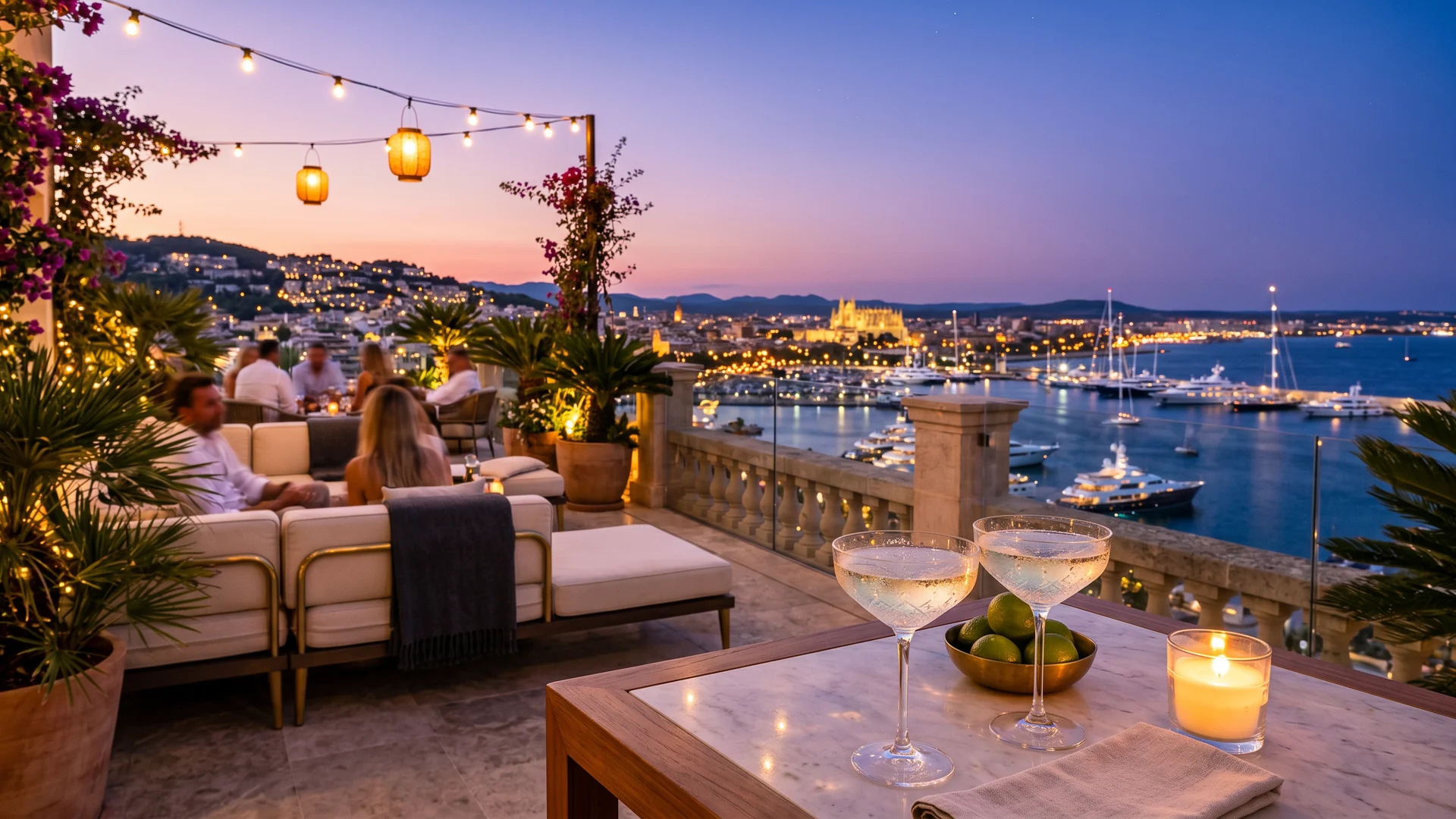
Mallorca Nightlife Guide
Mallorca nightlife guide: Palma cocktail bars, Puerto Portals marina glamour, superclubs Pacha and BCM, beach clubs, traditional cellers and casinos a…
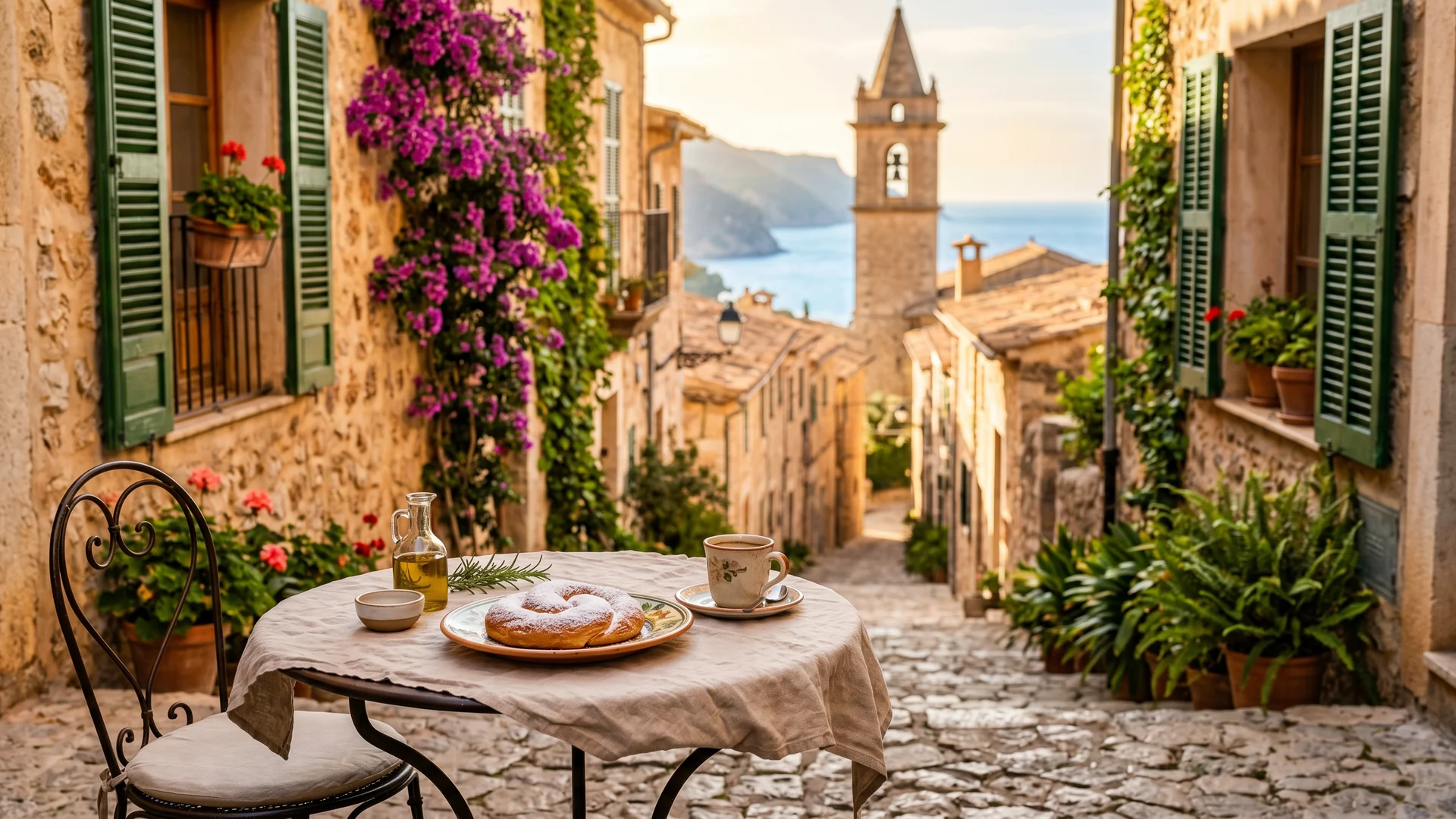
Mallorca Culture Guide
Mallorca culture guide: explore Palma Cathedral, Miro and Picasso museums, Castell de Bellver, Talayotic ruins, Valldemossa, festivals, crafts and the…
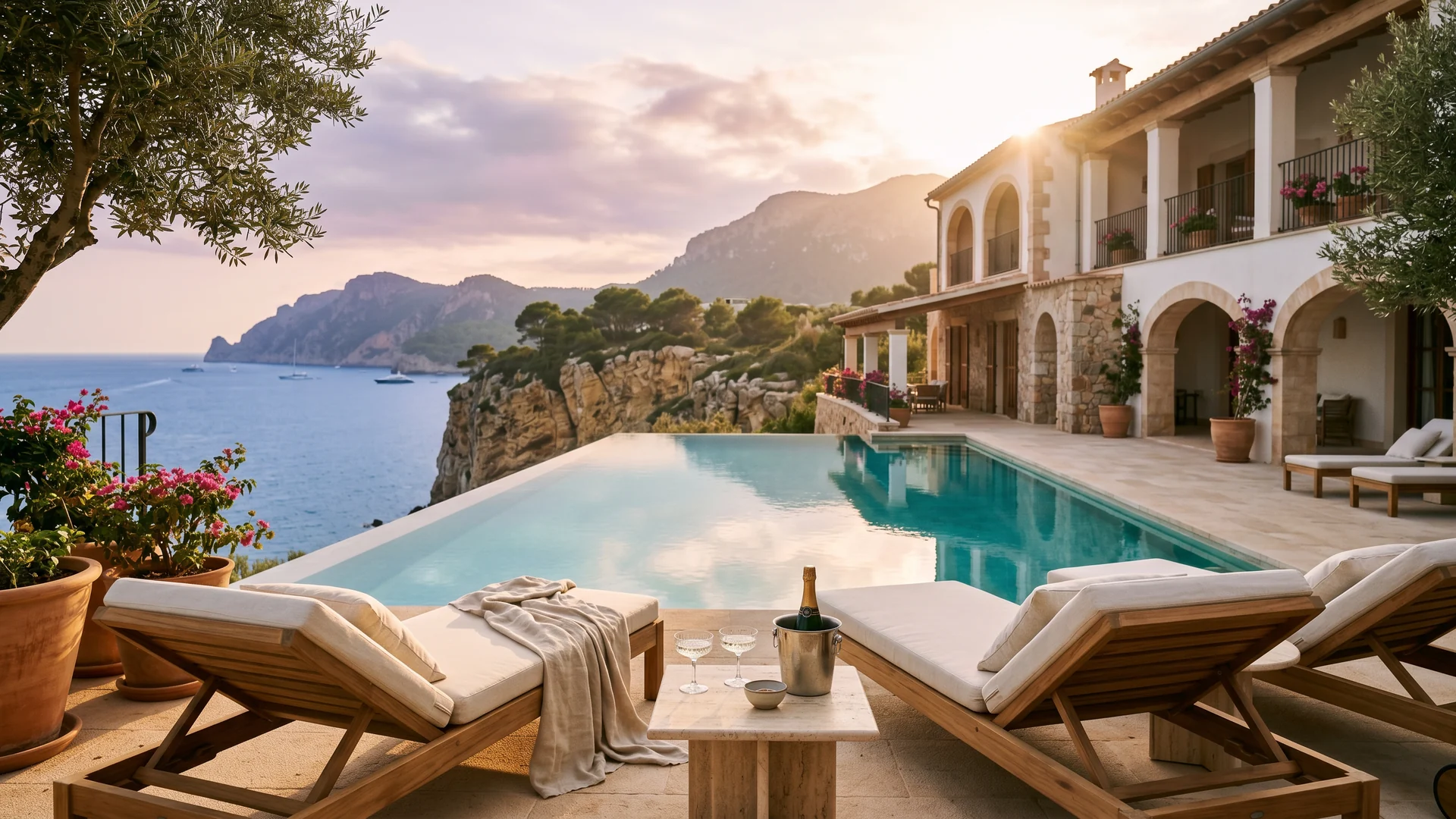
Mallorca Luxury Hotels
Discover Mallorca’s best luxury hotels, from Belmond La Residencia and cliffside Cap Rocat to St. Regis Mardavall, with rates, Michelin dining a…