Mallorca Luxury Lifestyle Guide
Mallorca luxury lifestyle guide: Michelin-starred dining, superyacht marinas, Palma designer shopping, world-class golf, wellness resorts and prime real estate.…
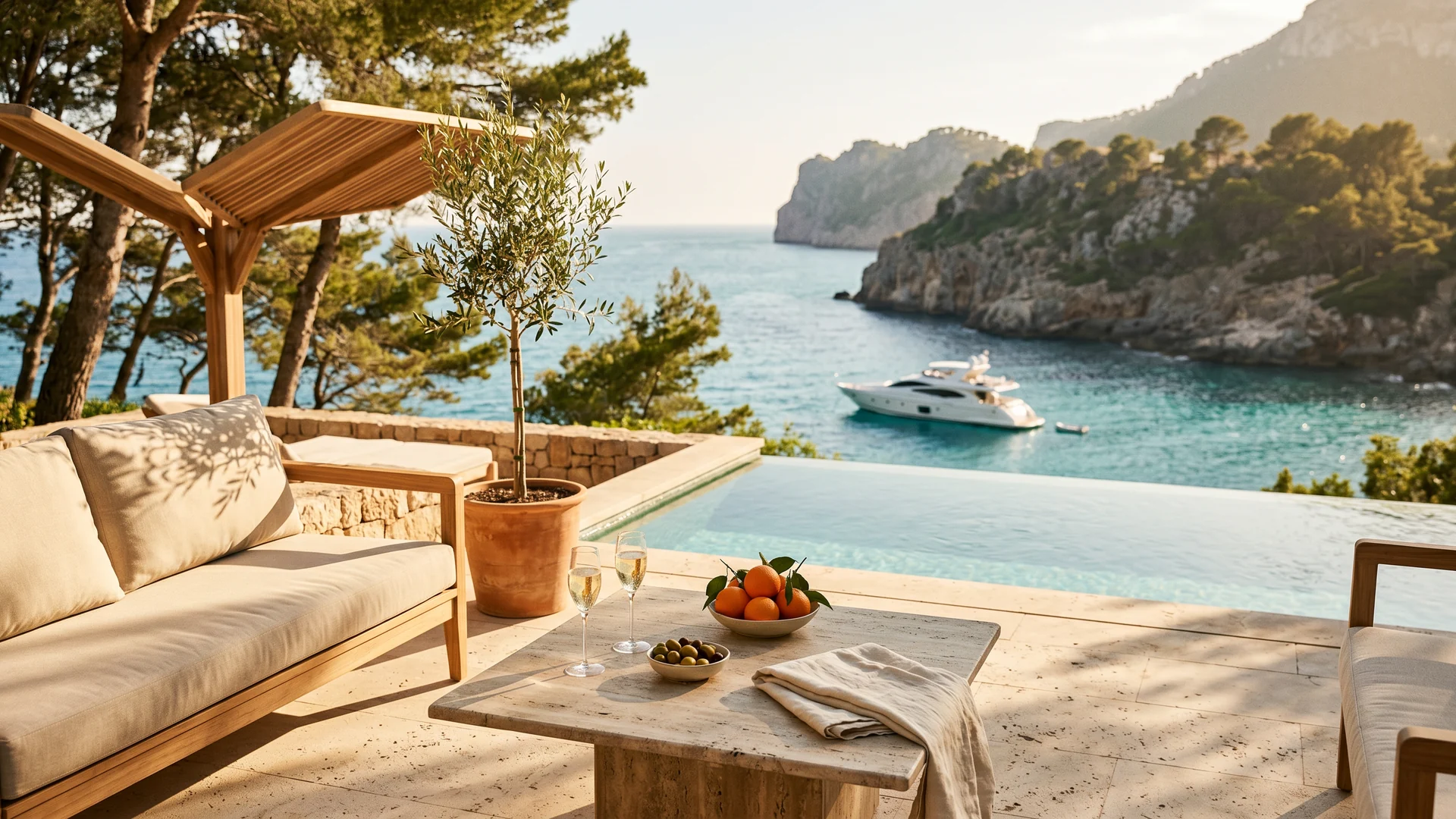
Mallorca offers a complete luxury lifestyle of Michelin-starred dining, superyacht marinas, designer shopping on Palma's Passeig des Born, world-class golf, wellness resorts and multi-million-euro real estate.
Key Takeaways
- Palma's luxury axis runs along the Passeig des Born, where Louis Vuitton sits at number 16 and Hermes at number 18, alongside Rolex, Cartier, Bulgari, Loewe and Tous.
- Puerto Portals, opened in 1986 about 10 kilometres west of Palma, accommodates superyachts up to 60 metres, with high-season berths costing between 3,000 and 15,000 euros per day.
- Mallorca has nine Michelin-starred restaurants, including the two-star Zaranda at Castell Son Claret in Es Capdella, and Marc Fosh, who earned the island's first star in 2002.
- Prime southwest villas with sea views in Son Vida, Bendinat and Port d'Andratx start at around 3 million euros, with exceptional properties exceeding 20 million euros.
- The island has two wine appellations, the Binissalem DO (established 1991, around 600 hectares) and the Pla i Llevant DO (established 2001), using grapes like Manto Negro and Prensal Blanc.
- Active luxury includes over 20 golf courses, world-class cycling on the MA-10, and the 135-kilometre GR 221 Dry Stone Route through the UNESCO-listed Serra de Tramuntana.
- Palma de Mallorca Airport handles over 30 million passengers a year, with private jet facilities and nearby Son Bonet Aerodrome serving private aviation.
🌐 Also available in: Español
Introduction to Mallorca’s Luxury Landscape
Mallorca, the largest of Spain’s Balearic Islands, has undergone a remarkable transformation over the past three decades. Once known primarily as a mass-tourism destination, the island has reinvented itself as one of the Mediterranean’s most sophisticated luxury playgrounds. Today, Mallorca attracts a discerning international clientele, from European aristocracy and Russian oligarchs to Silicon Valley entrepreneurs and Middle Eastern royalty, all drawn by its unique combination of natural beauty, cultural richness, and world-class amenities.
The Evolution of Mallorca’s Luxury Identity
The island’s luxury ecosystem is remarkably comprehensive. It encompasses Michelin-starred gastronomy, five-star resort accommodations, championship golf courses, superyacht marinas, designer shopping districts, private aviation facilities, and a calendar of exclusive events that rivals any destination in the Mediterranean. What sets Mallorca apart, however, is the authenticity that underpins its luxury offering. Unlike some destinations where opulence feels manufactured or imported, Mallorca’s luxury scene is deeply rooted in local culture, traditions, and landscapes that have been cultivated over centuries.
Geography and the Luxury Setting
The island spans approximately 3,640 square kilometers, with the Serra de Tramuntana mountain range, a UNESCO World Heritage site, forming its dramatic northwestern spine. This geography creates distinct micro-regions, each with its own character and luxury proposition. The southwest coast, from Palma to Port d’Andratx, is the epicenter of glamour and yachting culture. The north coast, around Pollença and Alcúdia, offers a more understated elegance favored by families and those seeking privacy. The interior, with its rolling vineyards and ancient fincas, appeals to those drawn to agritourism and rural luxury.
Accessibility is another key factor in Mallorca’s luxury appeal. Palma de Mallorca Airport (PMI) is Spain’s third-largest airport, handling over 30 million passengers annually with direct connections to major cities across Europe, the Middle East, and beyond. Private jet facilities at the airport and at nearby Son Bonet Aerodrome cater to those who prefer to arrive on their own terms. The island is also well-served by ferry connections from Barcelona, Valencia, and other Mediterranean ports.
The Palma Luxury Circuit
Palma, the island’s capital, is the beating heart of Mallorca’s luxury scene. The city of approximately 450,000 residents manages to feel both cosmopolitan and intimate, with a historic center that ranks among the best-preserved in Europe. The luxury axis runs primarily along the Passeig des Born, a tree-lined boulevard reminiscent of Barcelona’s Ramblas but with a distinctly Mallorcan character.
The Born: Mallorca’s Luxury Boulevard
On the Born, you’ll find flagship stores from the world’s premier luxury houses. Louis Vuitton maintains a prominent boutique at number 16, while Hermès occupies a beautifully restored space at number 18. Rolex, Cartier, and Bulgari are all represented, as are Spanish luxury brands like Loewe and Tous. The side streets branching off the Born, particularly Carrer de Sant Feliu, Carrer de la Unió, and Carrer del Palau Reial, host a curated selection of independent boutiques, art galleries, and concept stores that cater to a fashion-forward clientele.
Palma’s Residential and Cultural Crown
Beyond retail, Palma’s luxury extends to its residential offerings. The Old Town (Casco Antiguo) is dotted with meticulously restored palacios, historic townhouses that have been converted into spectacular private residences. Properties in neighborhoods like Calatrava, La Seu, and Santa Creu routinely change hands for sums in excess of €3 million, with the finest examples commanding €8 million or more. These homes feature interior courtyards, rooftop terraces with cathedral views, and underground parking, a rare commodity in the narrow medieval streets.
The Santa Catalina district, once a working-class fishermen’s quarter, has emerged as Palma’s trendiest neighborhood. Its covered market, Mercat de Santa Catalina, is a gourmet destination in its own right, while the surrounding streets are packed with wine bars, cocktail lounges, and innovative restaurants. The area attracts a younger, creative crowd and offers a more relaxed alternative to the formality of the Born.
Coastal Enclaves and Marinas
Moving west from Palma along the MA-1 coastal highway, the luxury density only increases. Puerto Portals, approximately 10 kilometers from the city center, is arguably the most glamorous marina in the Mediterranean. Opened in 1986, it has been continuously upgraded and now accommodates superyachts up to 60 meters. The marina’s waterfront is lined with high-end boutiques, galleries, and restaurants, while the surrounding hillsides are dotted with villas that offer panoramic sea views.
Puerto Portals: The Epicentre
A typical summer day at Puerto Portals sees a parade of Bugattis, Ferraris, and Rolls-Royces navigating the marina’s roundabout, while tenders ferry guests between anchored superyachts and the quay. The marina’s restaurants, including Flanigan, Ritzi, and Baiben, are perennial fixtures on the island’s social calendar. Renting a berth here during high season can cost between €3,000 and €15,000 per day depending on vessel size.
Port d’Andratx: Sophisticated Seclusion
Further west, Port d’Andratx offers a different kind of luxury. This natural harbor, framed by the Tramuntana foothills, has long been a favorite of the European art and media establishment. The town itself retains a working fishing port character, but the surrounding hillsides are home to some of the island’s most valuable real estate. The nearby enclave of Cala Llamp is particularly exclusive, with cliffside villas that offer absolute privacy and direct sea access.
Gastronomy and Wine Culture
Mallorca’s culinary scene has experienced a revolution since the turn of the millennium. The island now boasts nine Michelin-starred restaurants, with several more on the cusp of recognition. Marc Fosh, the British-born chef who earned Mallorca its first Michelin star in 2002, continues to lead the way with his eponymous restaurant in Palma’s Hotel Concepció by Nobis. His Mediterranean cuisine with a modern twist emphasizes local ingredients and seasonal menus.
Michelin-Starred Excellence
Adrián Quetglas, another Michelin-starred chef, runs his restaurant in a beautifully restored Palma townhouse, offering a tasting menu that draws on his Argentine heritage and classical French training. Zaranda, located at the Castell Son Claret hotel in Es Capdellà, holds two Michelin stars and is widely considered the island’s finest dining experience. Chef Fernando Pérez Arellano’s innovative approach to Mallorcan ingredients has earned international acclaim.
The Island’s Wine Renaissance
The island’s wine industry has also matured significantly. The Binissalem DO (Denominación de Origen), established in 1991, covers approximately 600 hectares of vineyards in the island’s center. Indigenous grape varieties, Manto Negro for reds, Prensal Blanc for whites, produce wines with a distinctive character that reflects Mallorca’s limestone-rich soils and Mediterranean climate. Notable bodegas include José L. Ferrer, Macià Batle, and Bodegas Ribas, the latter occupying a historic estate that has been producing wine since 1711.
The Pla i Llevant DO, established in 2001, covers the eastern part of the island and is home to innovative producers like Miquel Oliver and Armero i Adrover. Many bodegas welcome visitors for tours and tastings, and the annual Festa des Vermar in Binissalem each September is a highlight of the island’s cultural calendar.
Wellness, Sports, and Experiences
Luxury in Mallorca increasingly revolves around wellness. The island’s climate, with over 300 days of sunshine annually and mild winters, makes it an ideal year-round destination for health-focused travelers. Five-star resorts like the St. Regis Mardavall, Belmond La Residencia, and Cap Rocat offer comprehensive spa facilities that rival the world’s best. Many incorporate local ingredients, almond oil, sea salt from the Salines d’Es Trenc, citrus from the Sóller Valley, into their treatment menus.
Wellness and Spa Culture
For the active luxury traveler, Mallorca is a paradise. The island is one of Europe’s premier cycling destinations, with professional teams using it as a winter training base. The MA-10 road along the Tramuntana coast offers some of the most spectacular cycling routes anywhere, while the interior’s quiet country lanes are perfect for more relaxed rides. Hiking is equally rewarding, with the GR 221 “Dry Stone Route” traversing the length of the Tramuntana range over 135 kilometers of marked trails.
Active Pursuits on Land and Sea
Golfers are exceptionally well-served, with over 20 courses across the island. Son Gual, designed by Thomas Himmel and opened in 2007, is widely considered the best, with immaculate conditioning and a challenging layout. Golf de Andratx, T-Golf, and the three courses at Arabella Golf (Son Muntaner, Son Vida, and Son Quint) round out the premium offering. Green fees range from €80 to €180 depending on season and course prestige.
Water sports are naturally central to the Mallorcan lifestyle. Beyond yachting, the island offers exceptional conditions for sailing, windsurfing, kitesurfing, and scuba diving. The Cabrera Archipelago National Park, accessible by permit-only boat trips, provides some of the Mediterranean’s most pristine diving environments. Private charter companies offer bespoke experiences ranging from sunset sailing trips along the southwest coast to multi-day expeditions exploring remote calas accessible only by sea.
The Real Estate Dimension
Mallorca’s luxury real estate market has proven remarkably resilient, attracting investment from across the globe. Prime properties in the southwest, particularly in areas like Son Vida, Bendinat, and Port d’Andratx, command prices comparable to the Côte d’Azur or Tuscany. A high-end villa with sea views in these areas typically starts at €3 million, with exceptional properties exceeding €20 million.
Son Vida: Mallorca’s Beverly Hills
Son Vida, often called “Mallorca’s Beverly Hills,” is the island’s most established luxury residential community. Built around three golf courses, it offers 24-hour security, a luxury hotel (the Castillo Hotel Son Vida), and some of the most prestigious addresses on the island. Nearby Bendinat, anchored by the Real Golf de Bendinat course, offers a similar proposition with the addition of direct sea views.
Fincas and Rural Estates
The finca market, traditional Mallorcan country estates, has also seen significant appreciation. Restored fincas in the Tramuntana foothills, often set on several hectares of land with olive groves and citrus orchards, represent the ultimate in private luxury. These properties, typically priced between €2 million and €10 million, appeal to buyers seeking authentic Mallorcan living with modern comforts.
Mallorca continues to evolve while maintaining the essential character that has made it one of the Mediterranean’s most enduring luxury destinations. Its ability to offer both vibrant social scenes and absolute tranquility, cutting-edge modernity and timeless tradition, ensures its place at the pinnacle of European luxury living.
The Art and Design Scene
Contemporary Art on the Island
Mallorca’s luxury lifestyle extends deeply into the arts. The island has become a significant hub for contemporary art, attracting collectors, gallerists, and artists from around the world. Palma’s gallery district, concentrated in the Old Town around Carrer de Sant Feliu and Carrer de la Missio, hosts an impressive concentration of contemporary art spaces. Galeria Pelaires, founded in 1969, represents major Spanish and international artists including Miquel Barcelo and Bernardí Roig. Galeria Horrach Moya, housed in a beautifully converted industrial space, focuses on cutting-edge contemporary work. The annual Nit de l’Art each September transforms Palma into a city-wide gallery, with dozens of spaces opening simultaneous exhibitions.
Architecture and Design
Design and architecture have become integral to Mallorca’s luxury identity. The island has attracted leading international architects who have created exceptional private residences and hospitality projects. The work of firms like Gras Architects, who have designed some of the island’s most prestigious villas, and MoreDesign, responsible for Es Raco d’Arta, represents a contemporary Mallorcan aesthetic that honors tradition while embracing modernism. The annual Mallorca Design Week brings together designers, architects, and brands for exhibitions, talks, and showroom events across the island.
Shopping Beyond the Born
Santa Catalina and Independent Boutiques
While the Passeig des Born remains the epicenter of luxury retail, Mallorca’s shopping scene extends well beyond. The Santa Catalina district has emerged as a destination for concept stores and independent fashion. Rialto Living, occupying a former theater on Carrer de Sant Feliu, is one of Europe’s most beautiful lifestyle stores, combining fashion, homeware, art, and a café in a stunningly curated space. La Pecera, a converted industrial building on the outskirts of Palma, houses a collective of vintage furniture dealers and design showrooms.
Mallorcan Artisanal Heritage
For authentic Mallorcan products, the island’s artisanal heritage offers exceptional shopping. Camper, the Mallorcan shoe brand founded in 1975, maintains its flagship store and design headquarters on the island. The pearls of Manacor, produced by Majorica using techniques developed in the early 20th century, offer exceptional value compared to boutique pricing in Palma. Traditional Mallorcan textiles, the iconic roba de llengues fabric, can be purchased directly from small workshops in villages like Lloseta and Binissalem at a fraction of Palma prices.
Private Aviation and Concierge Services
Private Aviation Access
Mallorca’s luxury infrastructure includes comprehensive private aviation facilities. Palma de Mallorca Airport handles significant private jet traffic through its General Aviation Terminal, with dedicated facilities for crew and passengers. The smaller Son Bonet Aerodrome, just north of Palma, is a dedicated general aviation facility popular with private pilots and charter operators. Helicopter transfers are available from both airports to hotels with helipads, including the St. Regis Mardavall and Cap Rocat, with flight times of under 10 minutes.
Bespoke Concierge Services
The island is served by a sophisticated ecosystem of luxury concierge services. Companies like Mallorca Lifestyle Concierge, Quintessentially, and Knightsbridge Circle maintain local offices and can arrange everything from last-minute restaurant reservations and yacht charters to bespoke experiences such as private tours of the Miro Foundation, helicopter picnics on remote mountain peaks, and exclusive access to private fincas and collections not open to the public. These services typically operate on an annual membership basis (approximately 2,000-10,000 euros) or a per-request fee structure.
Mallorca’s luxury lifestyle offering continues to deepen and diversify, making it not just a destination for a single visit but a community that many of the world’s most discerning individuals choose to make a permanent part of their lives.
Frequently Asked Questions (FAQ)
What makes Mallorca a luxury lifestyle destination?
Mallorca combines Michelin-starred gastronomy, five-star resorts, superyacht marinas, championship golf, designer shopping and private aviation with authentic local culture. Once a mass-tourism island, it has reinvented itself over three decades into one of the Mediterranean's most sophisticated luxury playgrounds, attracting a discerning international clientele year-round.
Where is the best luxury shopping in Palma de Mallorca?
The Passeig des Born is Palma's luxury retail axis, hosting flagship stores including Louis Vuitton at number 16, Hermes at number 18, Rolex, Cartier, Bulgari, Loewe and Tous. Side streets like Carrer de Sant Feliu and the trendy Santa Catalina district add independent boutiques, concept stores such as Rialto Living, and art galleries.
Which Mallorca restaurants have Michelin stars?
Mallorca boasts nine Michelin-starred restaurants. Zaranda at the Castell Son Claret hotel in Es Capdella holds two stars and is considered the island's finest dining. Marc Fosh earned Mallorca's first star in 2002 and runs his restaurant in Palma's Hotel Concepcio, while Adrian Quetglas also holds a star in a restored Palma townhouse.
How much does a luxury villa in Mallorca cost?
High-end villas with sea views in southwest areas like Son Vida, Bendinat and Port d'Andratx typically start at around 3 million euros, with exceptional properties exceeding 20 million euros. Restored country fincas in the Tramuntana foothills are usually priced between 2 million and 10 million euros, offering authentic Mallorcan living with modern comforts.
What is Puerto Portals marina in Mallorca?
Puerto Portals is arguably the Mediterranean's most glamorous marina, located about 10 kilometres west of Palma and opened in 1986. It accommodates superyachts up to 60 metres and features restaurants like Flanigan, Ritzi and Baiben. High-season berths cost between 3,000 and 15,000 euros per day depending on vessel size.
Is Mallorca good for golf and active luxury holidays?
Yes. Mallorca has over 20 golf courses, with Son Gual widely considered the best, and green fees ranging from 80 to 180 euros. It is also one of Europe's premier cycling destinations, used by professional teams, and offers hiking on the 135-kilometre GR 221 Dry Stone Route plus sailing, diving and water sports.
What wine is produced in Mallorca?
Mallorca has two wine appellations: the Binissalem DO, established in 1991 covering around 600 hectares, and the Pla i Llevant DO, established in 2001 in the east. Indigenous grapes include Manto Negro for reds and Prensal Blanc for whites. Notable bodegas include Jose L. Ferrer, Macia Batle and Bodegas Ribas, producing wine since 1711.
Where do the wealthy live and stay in Mallorca?
Son Vida, called Mallorca's Beverly Hills, is the most established luxury residential community, built around three golf courses with 24-hour security and the Castillo Hotel Son Vida. Other prestigious areas include Bendinat, Port d'Andratx and the exclusive Cala Llamp, plus five-star resorts such as the St. Regis Mardavall, Belmond La Residencia and Cap Rocat.
More from Mallorca
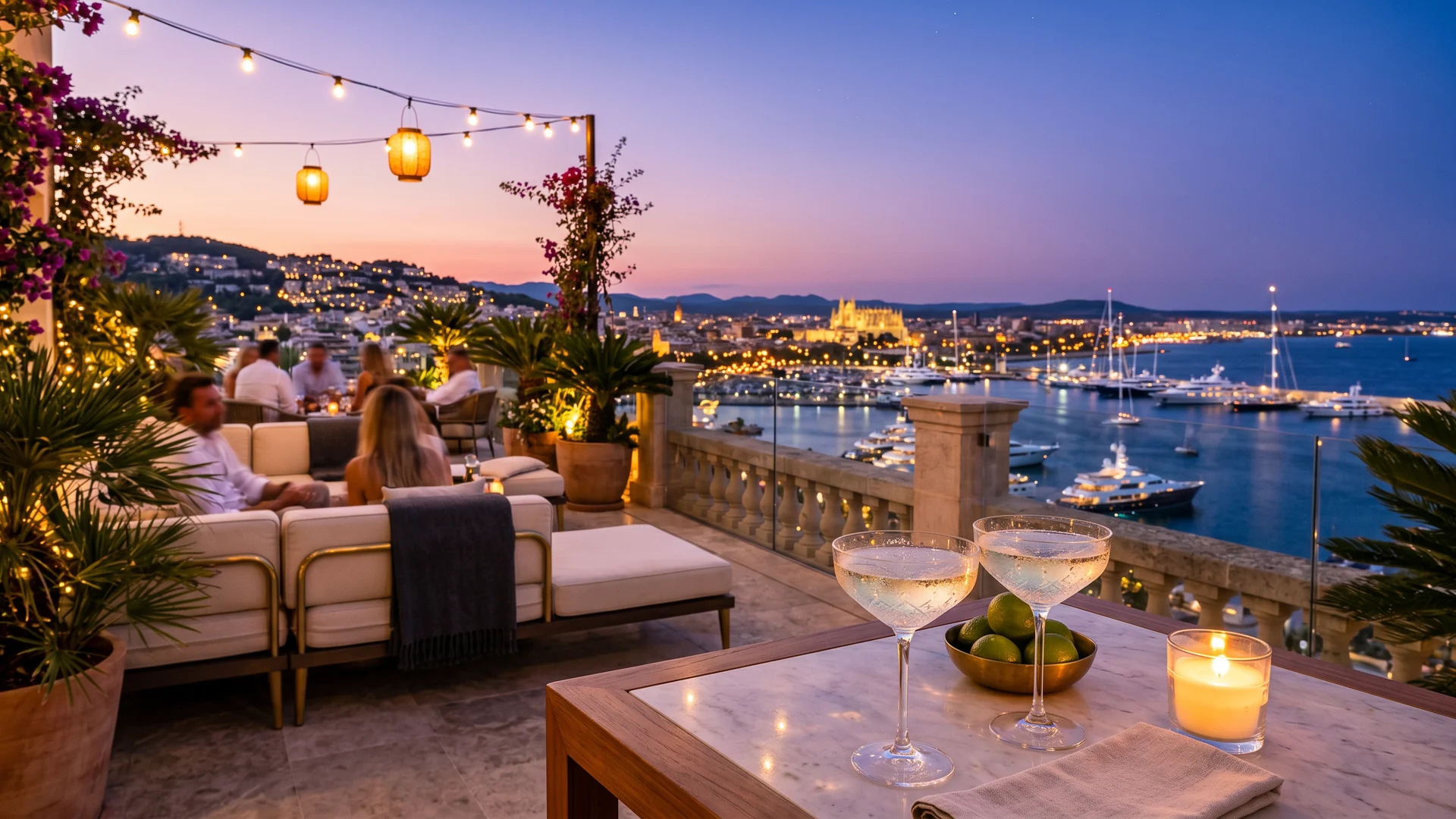
Mallorca Nightlife Guide
Mallorca nightlife guide: Palma cocktail bars, Puerto Portals marina glamour, superclubs Pacha and BCM, beach clubs, traditional cellers and casinos a…
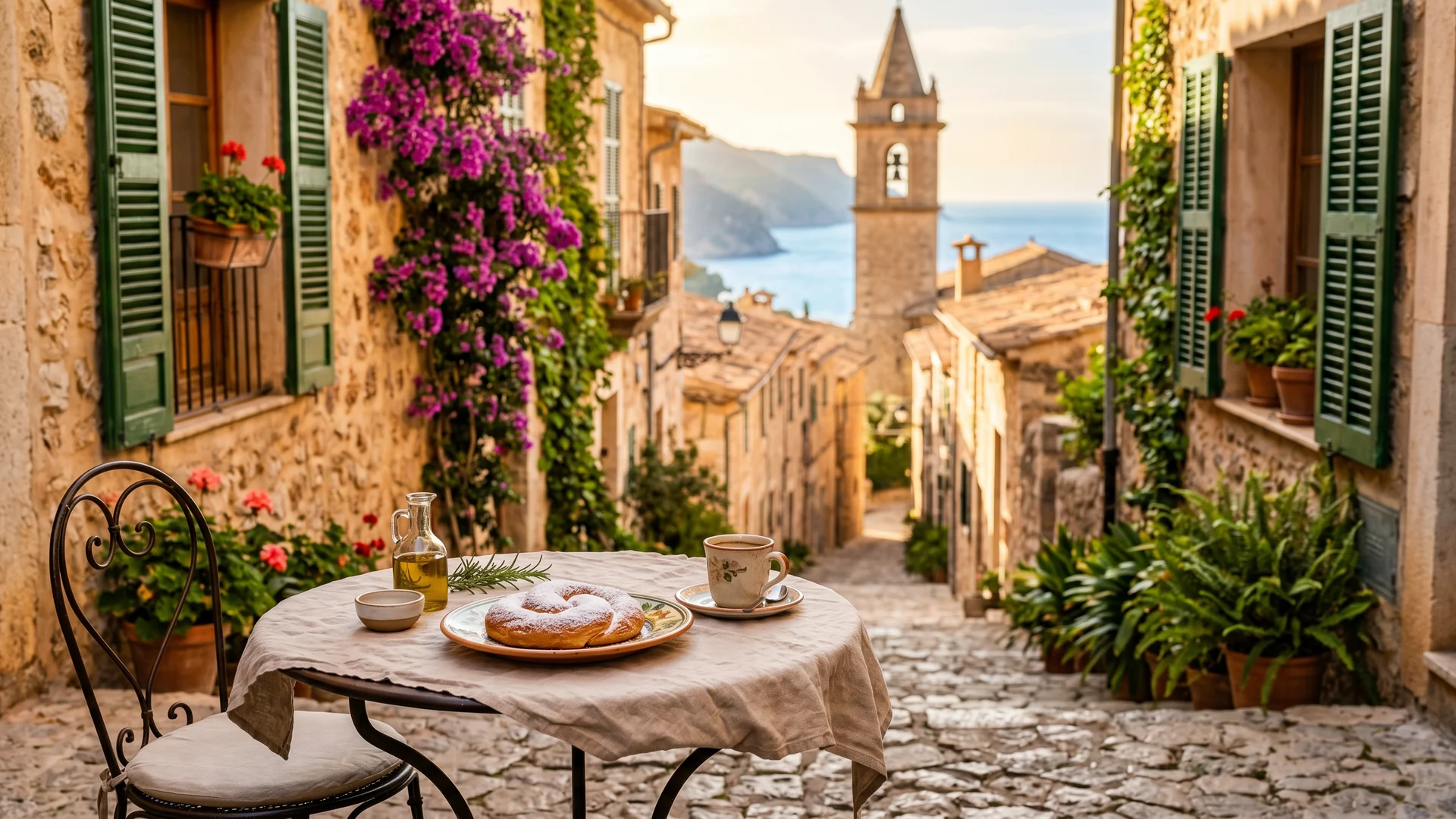
Mallorca Culture Guide
Mallorca culture guide: explore Palma Cathedral, Miro and Picasso museums, Castell de Bellver, Talayotic ruins, Valldemossa, festivals, crafts and the…
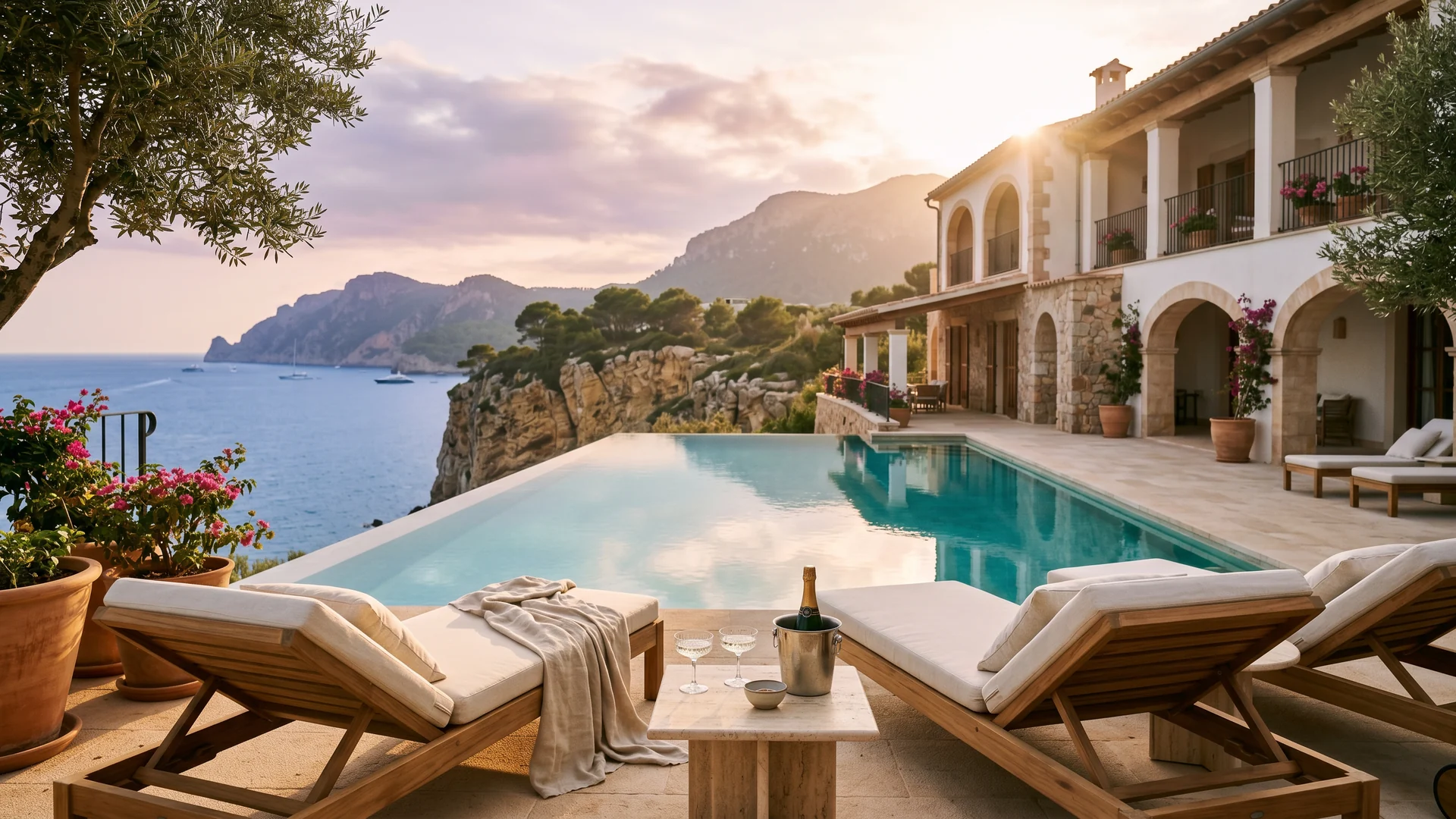
Mallorca Luxury Hotels
Discover Mallorca’s best luxury hotels, from Belmond La Residencia and cliffside Cap Rocat to St. Regis Mardavall, with rates, Michelin dining a…