Mallorca Yachting Guide
Mallorca yachting guide: top marinas, charter prices, the best calas, refit yards, regattas and posidonia rules for cruising the western Mediterranean in style.…
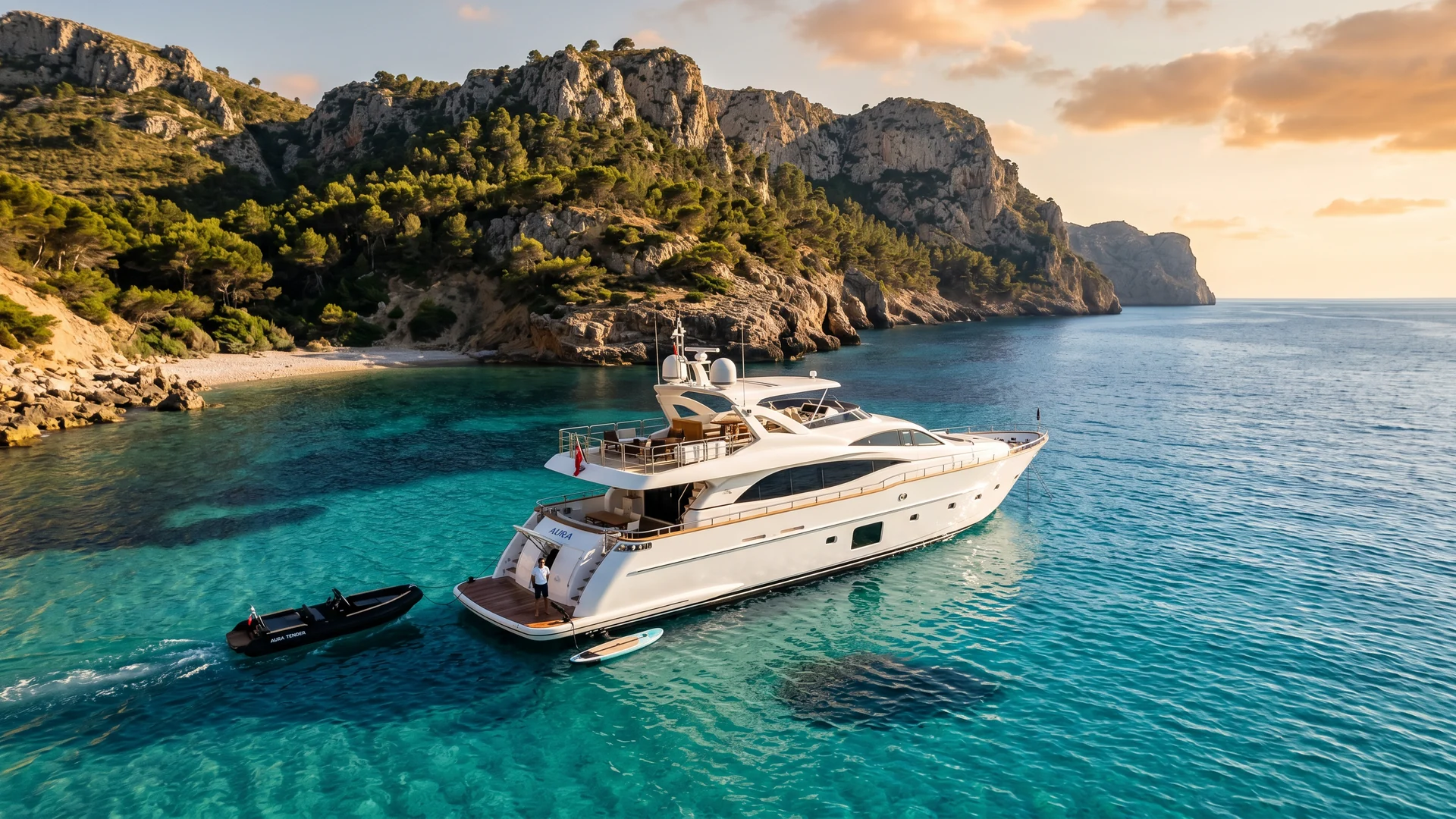
Mallorca is one of the Mediterranean's premier yachting hubs, offering world-class marinas like Puerto Portals and Club de Mar, dramatic calas, and a full charter and refit ecosystem.
Key Takeaways
- The Mallorca yachting season runs from late April through October, with July and August as the absolute peak, supported by over 550 kilometres of coastline indented with countless calas.
- Puerto Portals near Calvia is the flagship marina with 670 berths for vessels up to 60 metres, while the expanded Club de Mar in Palma can host superyachts up to 170 metres across over 560 berths.
- Marina Port de Mallorca on Palma's Paseo Maritimo offers 142 berths opposite the cathedral, and Port d'Andratx, Port de Pollenca and Port d'Alcudia provide further well-equipped facilities.
- Charter prices span bareboat sailing yachts from around 2,000 euros per week to superyacht charters exceeding 500,000 euros per week, with a 30-metre motor yacht costing 50,000 to 80,000 euros plus APA of 30-35 percent.
- Palma is a leading refit centre, anchored by the STP shipyard with its 4,800-tonne travelift for vessels up to 110 metres, plus Astilleros de Mallorca for classic yacht restoration.
- Top anchorages include Cala Deia, Cala Tuent, Sa Calobra, Cala d'Hort with its Es Vedra view, Cala Mondrago, and the permit-controlled Cabrera Archipelago national park.
- Anchoring on protected posidonia seagrass beds is illegal, with fines reaching up to 100,000 euros, and the Posidonia Maps app helps boaters find safe anchoring zones.
🌐 Also available in: Español
Why Mallorca for Yachting
Geography and Strategic Position
Mallorca occupies a privileged position in the Mediterranean yachting world. Located just 130 nautical miles from Barcelona and 270 from Sardinia, the island serves as a natural hub for cruising the western Mediterranean. Its coastline spans over 550 kilometers, indented with countless calas (coves), many accessible only by sea, creating an almost infinite variety of anchorages, swimming spots, and coastal scenery.
The Yachting Season
The yachting season in Mallorca runs from late April through October, with July and August representing the absolute peak. During these months, the waters around the island fill with vessels of every description, from classic wooden llaüts (traditional Mallorcan fishing boats) to the largest superyachts on the planet. The island’s infrastructure has evolved to support this activity, with world-class marina facilities, skilled shipyards, and a comprehensive ecosystem of service providers including crew agencies, provisioning companies, and yacht management firms.
Major Marinas and Port Facilities
Puerto Portals is the undisputed crown jewel of Mallorca’s marina scene. Located in the municipality of Calvià, approximately 10 kilometers west of Palma, it offers 670 berths capable of accommodating vessels up to 60 meters. The marina has been continuously upgraded since its opening in 1986, with recent renovations further enhancing its facilities. Berth rates during high season range from approximately €200 per meter per month to premium pricing for the largest berths. The marina offers comprehensive services including 24-hour security, fuel dock, pump-out facilities, shore power (up to 400 amps), and a dedicated crew lounge.
Puerto Portals: The Flagship Marina
Marina Port de Mallorca (formerly known as Pantalán del Mediterráneo) sits in the heart of Palma’s Paseo Marítimo, directly opposite the cathedral. Its central location makes it ideal for those who want immediate access to Palma’s restaurants, shopping, and nightlife. The marina accommodates vessels up to 45 meters and offers 142 berths with direct pedestrian access to the city center.
Palma’s Urban Marinas
Club de Mar, located adjacent to the cruise ship terminal just west of Palma’s historic center, is the island’s largest marina with over 560 berths. A major expansion completed in recent years has transformed it into a state-of-the-art facility capable of hosting superyachts up to 170 meters, among the largest in the Mediterranean. The development includes a new commercial area with restaurants, shops, and yacht service providers. Club de Mar has become the preferred base for many of the world’s largest superyachts during the Mediterranean season.
Additional Marina Facilities
Port d’Andratx offers a more intimate yachting experience. The natural harbor, protected by the surrounding Tramuntana foothills, hosts a mix of local fishing boats and luxury yachts. The Club de Vela Puerto de Andratx manages berthing in the inner harbor, while the surrounding area includes several smaller marinas with limited capacity. The ambiance here is more understated than Puerto Portals, attracting a sophisticated crowd that values discretion.
On the north coast, Port de Pollença and Port d’Alcúdia offer well-equipped marinas serving the Bay of Pollença and the larger Bay of Alcúdia respectively. Both are popular with sailing yachts and motor yachts exploring the north coast’s calas and the nearby Formentor peninsula.
Anchorage Guide: The Best Calas
Mallorca’s coastline is famous for its calas: small, dramatic coves carved into the limestone cliffs over millennia. Many of the best are accessible only by boat, making a yacht the ultimate way to experience the island’s coastal beauty.
Cala Deià on the northwest coast is a perennial favorite. The cove is small and can become crowded in high season, but the setting, with the village of Deià perched on the cliffs above, is spectacular. Two excellent seafood restaurants, Ca’s Patro March (known for its cliffside tables that literally overhang the sea) and Sa Foradada, serve fresh fish and paella. Anchoring here requires care due to the rocky bottom, but the rewards are immense.
Northwest Coast Anchorages
Cala Tuent, accessible only by a winding mountain road or by sea, offers a quieter alternative. The pebble beach and crystal-clear waters are framed by the imposing Puig Major, Mallorca’s highest peak. There are no facilities here beyond a small seasonal chiringuito, so provisioning before arrival is essential. The anchorage provides good holding in sand and is well-protected from prevailing winds.
Remote and Pristine Calas
Cala Sa Calobra and the nearby Torrent de Pareis are among Mallorca’s most dramatic natural features. The narrow gorge, carved by seasonal torrents, opens onto a small pebble beach accessible by boat or via a famously winding road. Arriving by yacht allows you to appreciate the scale of the cliffs and to swim in waters of extraordinary clarity. The anchorage can be challenging in certain wind conditions, and arrival before 10:00 AM is recommended during peak season to secure a good position.
On the southwest coast, Cala d’Hort offers a view that has graced countless postcards, the uninhabited island of Es Vedrà rising dramatically from the sea. The anchorage is spacious with good holding, though it can be exposed to southerly swells. The beach restaurants here serve excellent paella and fresh seafood, making it a perfect lunch stop.
South and East Coast Gems
Cala Mondragó in the Parc Natural de Mondragó on the southeast coast features two beautiful sandy beaches separated by rocky outcrops. The protected natural park status means the area remains relatively undeveloped, offering a glimpse of Mallorca’s coastline as it once was. The sandy bottom provides excellent holding, and the beach facilities include restaurants and showers.
For those seeking complete seclusion, the Cabrera Archipelago, a national park approximately 10 nautical miles south of Mallorca, offers an extraordinary yachting experience. Access is strictly controlled, with a limited number of permits issued daily (these must be arranged in advance). The main anchorage in the natural harbor of Cabrera island is well-protected, and the surrounding waters teem with marine life. Overnight stays are permitted, and the experience of watching the sunset over the uninhabited islands is unforgettable.
Yacht Charter Options
Mallorca is one of Europe’s premier yacht charter hubs, with a vast fleet available for every preference and budget. The charter market ranges from bareboat sailing yachts (starting around €2,000 per week) to superyacht charters exceeding €500,000 per week.
Motor Yacht Charter
Motor Yacht Charter: The most popular option for luxury charter in Mallorca. Well-known brokerage houses with a local presence include Burgess, Camper & Nicholsons, Fraser, and IYC, all of which maintain offices in Palma. A typical week-long charter of a 30-meter motor yacht during peak season costs between €50,000 and €80,000 plus expenses (APA, Advance Provisioning Allowance, typically 30-35% of the charter fee). This includes a professional crew of 4-6, covering captain, chef, deckhand(s), and stewardess.
Sailing Yacht Charter
Sailing Yacht Charter: Mallorca’s reliable summer breezes make it ideal for sailing. The Embat, a daily thermal wind, typically fills in around midday and provides excellent conditions through the afternoon before dying down at sunset. Charter companies like Dream Yacht Charter, Sunsail, and Navigare have bases at Palma and Port de Pollença, offering both bareboat and crewed options. A crewed 50-foot sailing catamaran during high season costs approximately €15,000-25,000 per week.
Specialized Charter Experiences
Day Charter: For those not committing to a full week, day charters are enormously popular. A classic Mallorcan llaüt with skipper for up to 10 guests costs around €800-1,500 per day. Motor yachts of 15-20 meters range from €2,500 to €5,000 per day, while luxury day boats like the Pershing or Riva models can cost €5,000-10,000 per day. Most day charters include fuel, drinks, and light catering, with full catering available at additional cost.
Yacht Services and Refit
STP Shipyard and Major Refits
Palma has emerged as one of the Mediterranean’s premier yacht refit and repair centers. The STP (Servicios Técnicos Portuarios) shipyard, located adjacent to the cruise terminal, is one of the largest refit facilities in the Mediterranean, with a 4,800-tonne travelift capable of hauling vessels up to 110 meters. The yard hosts a concentration of skilled tradespeople, shipwrights, electricians, painters, engineers, who service some of the world’s finest yachts.
Classic Yacht Restoration
The nearby Astilleros de Mallorca shipyard specializes in the restoration and maintenance of classic and traditional vessels, including many of the historic yachts that participate in Mediterranean regattas. This concentration of expertise means that Mallorca is not just a destination for yachting but a comprehensive service center capable of handling everything from routine maintenance to major refits.
Provisioning and Support Services
Provisioning for yachts in Mallorca is exceptionally easy. The Mercat de l’Olivar in Palma and the Mercat de Santa Catalina offer world-class fresh produce, seafood, and specialty items. Several companies, including Mallorca Yacht Provisioning and Gourmet Yacht Galley, specialize in high-end provisioning for superyachts, sourcing everything from Kobe beef to vintage Champagne with 24-hour notice.
Yachting Events and Regattas
The Copa del Rey MAPFRE
Mallorca’s yachting calendar includes several prestigious events. The Copa del Rey MAPFRE, held annually in late July/early August at the Real Club Náutico de Palma, is one of the Mediterranean’s most important sailing regattas, attracting over 100 boats and 1,200 sailors from around the world. The Superyacht Cup Palma in June is a four-day event that brings together some of the world’s most impressive sailing superyachts for friendly but competitive racing.
Palma International Boat Show
The Palma International Boat Show, typically held in late April/early May, has grown into one of Europe’s most important nautical trade events, showcasing the latest in yacht design, marine technology, and accessories. The 2025 edition attracted over 30,000 visitors and featured more than 250 exhibitors.
Mallorca’s yachting infrastructure, natural advantages, and vibrant maritime culture combine to create one of the world’s truly great yachting destinations. Whether you’re arriving aboard a 100-meter superyacht or chartering a classic llaüt for a day of coastal exploration, the island delivers an experience that keeps the world’s most discerning yachting enthusiasts returning year after year.
Cruising Itineraries: A Perfect Week on the Water
The Classic Southwest Circuit
A well-planned week-long cruise from Palma allows exploration of Mallorca’s diverse coastline while enjoying the finest anchorages, restaurants, and experiences. A classic itinerary begins with a first night in Palma, perhaps dining at a Michelin-starred restaurant ashore before departure the following morning. Day two typically heads west to the calas of the southwest. Cala d’Hort for its iconic view of Es Vedra, then on to Port d’Andratx for overnight berthing or anchoring. The restaurants and boutiques of Port d’Andratx provide a sophisticated evening ashore.
Exploring the Northwest and North Coast
Day three might explore the dramatic northwest coast, anchoring at Cala Deia for lunch at Ca’s Patro March (the cliffside tables are unforgettable) before continuing to Soller for the night. Port de Soller offers a well-protected natural harbor with excellent restaurants along the waterfront. Day four could be spent exploring the Formentor peninsula, anchoring in the stunning Cala Figuera or Cala Murta for swimming in crystalline waters, before berthing at Port de Pollenca. A taxi or tender trip to the Hotel Formentor for sunset cocktails is an essential experience.
Days five and six typically turn south, exploring the calas of the east coast. Cala Varques, Cala Magraner, and Cala Mondrago offer some of the island’s finest swimming. An overnight in Porto Petro or Porto Colom provides a taste of the quieter southeast. The final day returns to Palma, perhaps with a stop at the Cabrera Archipelago en route for a final swim in the pristine waters of the national park.
Crew Life and Yachting Community
The Crew Scene in Palma
Mallorca has developed a vibrant yachting community that extends beyond the vessels themselves. Palma is home to a large community of yacht crew, captains, and industry professionals who contribute to a dynamic social scene. Areas like Santa Catalina and the Paseo Maritimo are popular crew hangouts, with bars and restaurants that cater specifically to the yachting crowd. The Palma Yacht Crew Facebook group and various WhatsApp networks help crew connect, share information, and organize social events.
Training and Certification
For crew training and certification, Mallorca offers excellent resources. The Maritime Training Academy in Palma provides STCW courses, while several diving schools offer PADI certification popular with crew members. The concentration of superyachts in Palma during the winter refit season creates substantial demand for skilled crew, and many use the island as a base for career development between seasons.
Marine Conservation and Sustainable Yachting
Protecting Posidonia Meadows
Mallorca has taken significant steps toward sustainable yachting practices. The posidonia seagrass meadows that give Mallorca’s waters their famous clarity are protected under EU and Spanish law, with strict regulations prohibiting anchoring on posidonia beds. The Posidonia Maps app, developed by the Balearic government, helps boaters identify safe anchoring zones. Fines for illegal anchoring on posidonia can reach up to 100,000 euros.
Green Marina Initiatives
The Balearic Islands have also implemented stricter emission controls in port areas, and several marinas including Club de Mar have invested in shore-power systems that allow vessels to connect to the electrical grid rather than running generators while docked. The Cleanwave environmental organization, founded in Mallorca, works with the yachting community on marine conservation initiatives including beach cleanups and plastic reduction programs.
Mallorca’s yachting future looks bright, with continued investment in marina infrastructure, a growing reputation as a refit center, and a commitment to environmental stewardship that will preserve the coastal beauty that makes the island such an exceptional yachting destination.
Yacht Ownership and Management in Mallorca
Yacht Management Services
For those considering basing a yacht in Mallorca, the island offers a comprehensive ownership infrastructure. Yacht management companies including Bluewater, Y.CO, and Fraser maintain offices in Palma, handling everything from crew recruitment and payroll to regulatory compliance, insurance, and operational management. Annual management fees typically range from 5-10% of the vessel’s operating budget, depending on the scope of services.
Registration and Flag Options
Registration options for yachts based in Mallorca include the Spanish flag (with its associated regulatory requirements), the increasingly popular Malta flag (offering EU registration with favorable fiscal treatment), and several other European and international registries. Spanish matriculation tax (12% of the vessel’s value) applies to yachts over 8 meters used in Spanish waters for more than 183 days per year, though exemptions exist for commercial charter vessels. Professional advice from a specialized maritime lawyer is essential when establishing a yacht’s operational structure.
Winter Season Operations
The winter season in Mallorca (November-March) has become increasingly important for the yachting industry. While many yachts relocate to the Caribbean for the winter season, a growing number remain in Palma, taking advantage of the mild climate and comprehensive refit facilities. This has created a year-round yachting community that sustains crew employment, service businesses, and the broader marine economy through the traditionally quieter months.
Mallorca’s position at the heart of the western Mediterranean, supported by world-class infrastructure and a deep maritime tradition, ensures its continued status as one of the world’s essential yachting destinations.
Frequently Asked Questions (FAQ)
When is the best time of year for yachting in Mallorca?
The Mallorca yachting season runs from late April through October, with July and August as the absolute peak. During these months the island's waters fill with everything from traditional wooden llauts to the largest superyachts, supported by world-class marinas, shipyards, and service providers.
Which is the best marina in Mallorca for superyachts?
Club de Mar in Palma is the standout for large superyachts, hosting vessels up to 170 metres after a major expansion, with over 560 berths. Puerto Portals near Calvia offers 670 berths for yachts up to 60 metres, making both leading choices for the Mediterranean season.
How much does it cost to charter a yacht in Mallorca?
Charter prices range from bareboat sailing yachts at around 2,000 euros per week to superyachts exceeding 500,000 euros per week. A 30-metre motor yacht costs 50,000 to 80,000 euros plus an Advance Provisioning Allowance of 30-35 percent, while a crewed 50-foot sailing catamaran runs roughly 15,000 to 25,000 euros weekly.
What are the best calas to anchor at in Mallorca by yacht?
Standout anchorages include Cala Deia with its cliffside seafood restaurants, Cala Tuent below Puig Major, the dramatic Sa Calobra and Torrent de Pareis, Cala d'Hort facing Es Vedra, and Cala Mondrago in its natural park. Many of the finest calas are accessible only by boat.
Can you anchor a yacht at the Cabrera Archipelago near Mallorca?
Yes, but access to the Cabrera Archipelago national park, about 10 nautical miles south of Mallorca, is strictly controlled with a limited number of daily permits that must be arranged in advance. The main anchorage in Cabrera's natural harbour is well-protected, and overnight stays are permitted.
Where can you refit or repair a yacht in Mallorca?
Palma is one of the Mediterranean's premier refit centres. The STP shipyard, near the cruise terminal, has a 4,800-tonne travelift capable of hauling vessels up to 110 metres, while the nearby Astilleros de Mallorca specialises in restoring classic and traditional yachts that compete in Mediterranean regattas.
What are the rules for anchoring on posidonia in Mallorca?
Anchoring on posidonia seagrass meadows is prohibited under EU and Spanish law, as these beds give Mallorca's waters their famous clarity. Fines for illegal anchoring can reach up to 100,000 euros. The Posidonia Maps app, developed by the Balearic government, helps boaters identify safe anchoring zones.
What are the main yachting events and regattas in Mallorca?
Key events include the Copa del Rey MAPFRE in late July or early August at the Real Club Nautico de Palma, drawing over 100 boats and 1,200 sailors, the Superyacht Cup Palma in June, and the Palma International Boat Show, which drew over 30,000 visitors and more than 250 exhibitors in 2025.
More from Mallorca
Mallorca Nightlife Guide
Mallorca nightlife guide: Palma cocktail bars, Puerto Portals marina glamour, superclubs Pacha and BCM, beach clubs, traditional cellers and casinos a…
Mallorca Culture Guide
Mallorca culture guide: explore Palma Cathedral, Miro and Picasso museums, Castell de Bellver, Talayotic ruins, Valldemossa, festivals, crafts and the…
Mallorca Luxury Hotels
Discover Mallorca’s best luxury hotels, from Belmond La Residencia and cliffside Cap Rocat to St. Regis Mardavall, with rates, Michelin dining a…