Mallorca Gastronomy Guide
Mallorca gastronomy guide: discover nine Michelin-starred restaurants, sobrassada, ensaimada, Binissalem wines, caldereta de langosta, and Palma’s best food markets.…
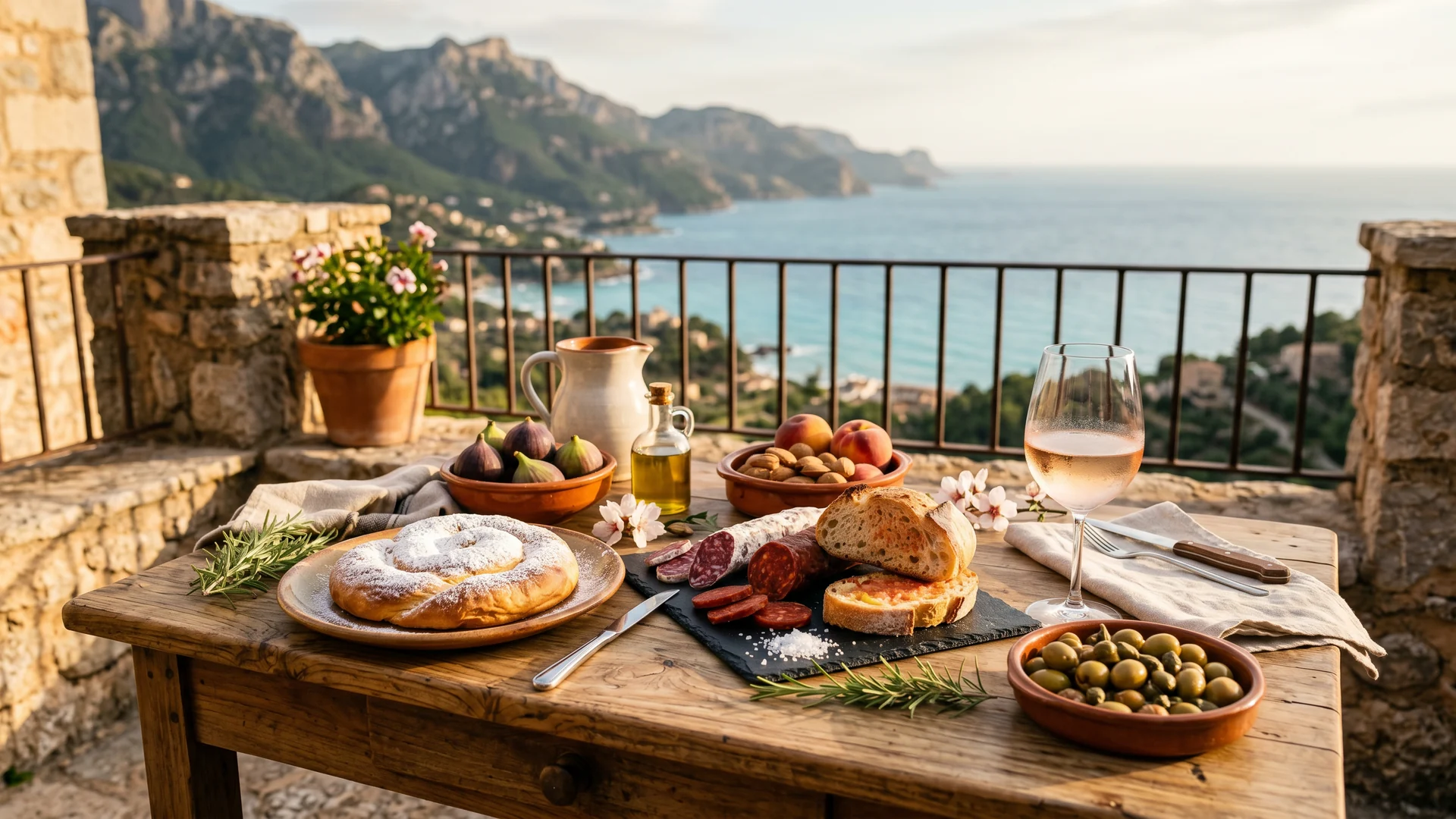
Mallorca is one of the Mediterranean's most compelling food destinations, home to nine Michelin-starred restaurants, two wine DOs, iconic dishes like sobrassada and ensaimada, and vibrant markets.
Key Takeaways
- Mallorca hosts nine Michelin-starred restaurants, led by two-star Zaranda at Castell Son Claret near Es Capdellà (chef Fernando Pérez Arellano, tasting menu around 180 euros) and two-star Voro at the Cap Vermell Grand Hotel in Canyamel (chef Álvaro Salazar).
- Signature traditional products include sobrassada, a spreadable cured pork sausage with PGI status celebrated at the annual Sobrassada Fair in Campos each October, and ensaimada, the coil-shaped pastry made with pork lard and carrying IGP status.
- The island has two wine appellations: Binissalem DO, established in 1991 with around 600 hectares using Manto Negro and Callet grapes, and Pla i Llevant DO, established in 2001 in the lighter eastern region.
- Bodegas Ribas in Consell is the island's oldest winery, producing continuously since 1711, while José L. Ferrer (founded 1931) is one of the largest producers; Ànima Negra's AN/2 blend is internationally recognized under the Vi de la Terra Mallorca designation.
- Caldereta de langosta, the island's most famous seafood dish using spiny lobster, typically costs 50 to 80 euros per person and is best experienced at Es Port in Port de Soller and Can Pacienci in Palma.
- Key markets include Mercat de l'Olivar in Palma with its morning fish auction, the neighborhood Mercat de Santa Catalina, and the Mercat de Sineu (every Wednesday), Mallorca's oldest market dating to the 14th century.
- Accessible modern dining thrives in Palma's Santa Catalina district and at restaurants like Ca Na Toneta in Caimari and Bens d'Avall, with tasting menus typically 60 to 90 euros, alongside agritourism at fincas such as Son Moragues near Valldemossa.
🌐 Also available in: Español
The Culinary Renaissance of Mallorca
A Crossroads of Mediterranean Flavours
Mallorca’s gastronomic identity has been forged over centuries at the crossroads of Mediterranean civilizations. Phoenician traders, Roman settlers, Moorish farmers, and Catalan merchants have all left their mark on the island’s cuisine. Today, this rich heritage is being reinterpreted by a generation of chefs who combine deep respect for tradition with world-class technique. The result is a dining scene that ranks among Europe’s most exciting, with nine Michelin-starred restaurants, dozens of Bib Gourmand recommendations, and a vibrant ecosystem of markets, bodegas, and artisanal producers.
The Foundation: Local Ingredients
The foundation of Mallorcan cuisine rests on ingredients of exceptional quality. The island’s Mediterranean climate, limestone-rich soils, and surrounding seas produce an abundance of superlative raw materials: olive oil from thousand-year-old trees in the Tramuntana, sea salt harvested in the Salines d’Es Trenc, citrus fruit from the Sóller Valley, almonds from the interior plains, lamb and pork from mountain pastures, and seafood from waters that remain among the cleanest in the Mediterranean.
Traditional Mallorcan Cuisine: The Essentials
Iconic Mallorcan Products
Any understanding of Mallorcan gastronomy must begin with its traditional dishes, the rustic, flavorful cooking that sustained island families for generations and now provides the foundation for the island’s culinary renaissance.
Sobrassada is perhaps the most iconic Mallorcan product. This soft, spreadable cured sausage is made from ground pork, paprika, salt, and spices, then cured for several weeks to several months. The best sobrassada comes from black pigs raised on the island and carries a Protected Geographical Indication (PGI) designation. It is typically spread on bread, used to stuff other dishes, or cooked until it melts into sauces. The annual Sobrassada Fair in Campos each October celebrates this beloved product.
Ensaimada, Mallorca’s signature pastry, is a coil-shaped sweet bread made from flour, water, sugar, eggs, and reduced pork lard (saïm, hence the name). The classic version is simply dusted with powdered sugar, but variations filled with cabell d’àngel (pumpkin jam), cream, or chocolate are also popular. Ensaimadas range from small individual portions to enormous family-sized versions. The designation “Ensaimada de Mallorca” has IGP (Protected Geographical Indication) status.
Signature Savoury Dishes
Pa amb oli (bread with oil) is the quintessential Mallorcan snack and a lesson in the power of simplicity. Rustic country bread (pa de pagès) is rubbed with ripe tomato, drizzled with local olive oil, and sprinkled with Flor de Sal. From this base, countless variations emerge, topped with cheese, ham, sobrassada, olives, or grilled vegetables. It appears on virtually every menu on the island, from humble cafés to Michelin-starred restaurants.
Frito Mallorquín is a hearty dish of fried lamb or pork offal with potatoes, peppers, spring onions, and fennel. Traditionally prepared during the autumn slaughter (matances), it represents the nose-to-tail philosophy that characterizes traditional Mallorcan cooking. Modern versions are typically made with more accessible cuts of meat while retaining the dish’s essential character.
Traditional Cooking Techniques
Arròs Brut (literally “dirty rice”) is Mallorca’s answer to paella, a deeply flavored rice dish cooked in a rich broth of meat, vegetables, and spices including cinnamon and saffron. Unlike paella, which aims for dry, separate grains, arròs brut is intentionally soupy, almost like a risotto. It’s particularly popular during the winter months and at family gatherings.
Tumbet is a vegetable dish that layers sliced potatoes, aubergines, and red peppers, all fried in olive oil and topped with a tomato sauce. Often served as a side dish with meat or fish, it showcases the quality of Mallorca’s summer vegetables. The best versions are found in traditional restaurants in the interior villages.
Michelin-Starred Excellence
Two-Star Excellence: Zaranda and Voro
Mallorca’s fine dining scene has reached remarkable heights. The island now hosts nine Michelin-starred restaurants, each offering a distinctive interpretation of Mediterranean gastronomy.
Zaranda (2 Michelin stars), located at the Castell Son Claret hotel near Es Capdellà, is widely considered Mallorca’s finest restaurant. Chef Fernando Pérez Arellano creates technically brilliant dishes that showcase Mallorcan ingredients in surprising and delightful ways. The tasting menu, priced around €180 per person, typically comprises 12-15 courses and represents the pinnacle of dining on the island. Reservations often need to be made weeks in advance.
One-Star Institutions
Marc Fosh (1 Michelin star), situated in the Hotel Concepció by Nobis in central Palma, is helmed by the British-born chef who earned Mallorca its first Michelin star. Fosh’s Mediterranean cuisine emphasizes lightness, seasonality, and the purity of flavor. The seven-course tasting menu costs approximately €135, with wine pairings available for an additional €65-85. The restaurant’s interior courtyard is one of Palma’s most enchanting dining spaces.
Adrián Quetglas (1 Michelin star), on a quiet street near Palma’s Passeig Mallorca, offers a tasting menu that draws on the chef’s Mallorcan roots, Argentine upbringing, and classical French training. The five-course menu at €85 represents perhaps the best value among the island’s Michelin-starred restaurants, while the extended tasting menu at €110 allows a fuller exploration of Quetglas’s culinary range.
Es Fum (1 Michelin star), at the St. Regis Mardavall in Costa d’en Blanes, offers a sophisticated dining experience with Mediterranean-Asian fusion influences. Chef Miguel Navarro’s tasting menus range from €125 to €165.
Rising Stars and Newcomers
Dins Santi Taura (1 Michelin star), in the charming town of Lloseta in the island’s interior, represents a uniquely Mallorcan fine dining experience. Chef Santi Taura focuses exclusively on Mallorcan culinary heritage, reinterpreting traditional recipes with contemporary technique. The restaurant is small, just 16 seats at a counter overlooking the open kitchen, creating an intimate, almost theatrical dining experience. The tasting menu costs approximately €140.
Other notable Michelin-starred establishments include Voro at the Cap Vermell Grand Hotel in Canyamel (2 stars, chef Álvaro Salazar), Es Racó d’es Teix in Deià (1 star, chef Josef Sauerschell), and Fusion19 in Palma (1 star, chef Javier Hoebeek).
The Wine Regions of Mallorca
Binissalem DO: The Heart of Mallorcan Wine
Mallorca’s wine culture dates back to Roman times, but the modern era began with the establishment of the Binissalem Denominación de Origen (DO) in 1991, followed by Pla i Llevant DO in 2001. The island now produces wines that are increasingly recognized on the international stage.
Binissalem DO encompasses approximately 600 hectares of vineyards in the island’s center, around the town of the same name. The region’s limestone-rich soils and Mediterranean climate produce red wines of structure and complexity from the Manto Negro and Callet varieties, along with international grapes like Cabernet Sauvignon, Merlot, and Syrah. White wines are primarily made from Prensal Blanc (also known as Moll) and Chardonnay.
Pla i Llevant DO: The Eastern Promise
Notable Binissalem bodegas include José L. Ferrer, founded in 1931 and now one of the island’s largest producers, offering tours and tastings at their historic cellars on the outskirts of Binissalem town; Macià Batle, whose vineyards surround a beautifully restored 19th-century manor house; and Bodegas Ribas, the island’s oldest winery, which has been producing wine continuously since 1711 from their estate in Consell.
Wine Tourism Experiences
Pla i Llevant DO covers the flatter eastern part of the island. Wines from this region tend to be somewhat lighter and more immediately accessible than those from Binissalem. Miquel Oliver in Petra is one of the region’s most respected producers, known for both their still wines and their sparkling Muscat. Armero i Adrover in Felanitx produces wines from organically farmed vineyards that express the region’s distinctive character.
Beyond the two DOs, a number of producers operate under the Vi de la Terra Mallorca designation, including Ànima Negra, whose AN/2 blend of Callet, Manto Negro, and Syrah has become one of the island’s most internationally recognized wines, and 4 Kilos, founded by former Ànima Negra winemaker Francesc Grimalt, known for minimalist, terroir-expressive wines.
Markets and Food Experiences
Palma’s Great Markets
Mallorca’s markets are essential stops for anyone serious about food. Mercat de l’Olivar in Palma is the grandest, a cavernous market hall that houses dozens of stalls selling fish, meat, cheese, charcuterie, and produce of extraordinary quality. The fish section alone is worth a visit, with the morning auction determining what appears on restaurant menus across the island. Several bars within the market serve fresh seafood and tapas, making it a popular lunch destination.
Mercat de Santa Catalina, also in Palma, is smaller and more neighborhood-oriented, though no less vibrant. The surrounding streets form Palma’s most dynamic food and drink district, with a concentration of excellent restaurants and bars.
Rural and Regional Markets
Outside Palma, the Mercat de Sineu (every Wednesday) is Mallorca’s oldest market, dating back to the 14th century. It remains an authentic agricultural market where farmers from across the island’s interior sell their produce, livestock, and artisanal products. Mercat de Santanyí (Wednesday and Saturday) and Mercat de Pollença (Sunday) are two other excellent weekly markets that combine fresh produce with local crafts.
Cooking Classes and Food Tours
For a deeper dive into Mallorcan food culture, several excellent cooking schools and food tour operators offer immersive experiences. Mallorca Culinary Tours runs guided visits to markets, bodegas, and artisanal producers, while Mallorca Cooking School in Palma offers half-day classes focused on traditional Mallorcan recipes.
Mallorca’s gastronomic landscape continues to evolve, driven by a new generation of chefs, winemakers, and artisans who are building on the island’s rich culinary heritage while pushing toward new horizons. For the food-obsessed traveler, it offers a depth and diversity of experiences that rewards exploration far beyond the obvious.
Seafood: The Mediterranean Bounty
The Daily Catch
Mallorca’s surrounding waters provide an exceptional array of seafood that forms the backbone of the island’s cuisine. The daily fish auction at Palma’s Mercat de l’Olivar is a spectacle worth witnessing, with the catch arriving from ports around the island. Local specialties include cap roig (scorpion fish), essential for authentic caldereta de langosta (lobster stew), a dish particularly associated with the ports of the north coast. Galeres (mantis shrimp), gamba roja de Soller (the prized red shrimp from the waters off Soller), and raor (a small local fish, typically fried whole) are other local delicacies that appear on the best menus.
Caldereta de Langosta: The Signature Dish
The lobster stew of Mallorca deserves special attention. Caldereta de langosta, the island’s most famous seafood dish, originated in the fishing villages of the north coast, particularly Fornells in neighboring Menorca. The authentic version uses locally caught spiny lobster (llagosta) cooked in a rich broth of fish stock, onion, tomato, garlic, and a touch of brandy, thickened with a picada of almonds and bread. The dish typically costs 50-80 euros per person in restaurants and is worth every cent. Es Port in Port de Soller and Can Pacienci in Palma are two of the best places to experience it.
Pastry and Sweet Traditions
Seasonal Sweets and Festival Traditions
Beyond the famous ensaimada, Mallorca has a rich tradition of sweets and pastries tied to specific seasons and festivals. Crespells, delicate flower-shaped biscuits flavored with olive oil and anise, are traditional at Easter. Robiols, half-moon pastries filled with jam, cottage cheese, or cabell d’angel (pumpkin jam), appear at Easter and throughout spring. For All Saints’ Day (November 1), the island’s bakeries fill with panellets, small almond and pine nut confections, and bunyols, deep-fried dough fritters often filled with cream or chocolate.
The Gató: Mallorca’s Almond Cake
The gató, Mallorca’s almond cake, deserves special mention. Made without flour (using ground almonds instead), it is naturally gluten-free and represents the island’s almond-growing heritage at its most delicious. The best versions are found in village bakeries, particularly in the almond-growing regions around Santa Maria del Cami and the interior plains. The Helados Murmur ice cream parlor in Palma, a third-generation family business, makes exceptional ice cream using traditional Mallorcan flavors including almond, ensaimada, and gató.
Modern Mallorcan Cuisine: The New Wave
Casual Innovation Across the Island
Beyond the Michelin-starred restaurants, a new generation of chefs is redefining Mallorcan cuisine at a more accessible level. Restaurants like Ca Na Toneta in Caimari (run by sisters Maria and Teresa Solivellas), Es Raco des Teix in Deia (Josef Sauerschell, 1 Michelin star), and Bens d’Avall between Soller and Deia (with spectacular cliffside terraces) combine deep respect for local ingredients with contemporary technique and presentation. These restaurants typically offer tasting menus at 60-90 euros, making them accessible to a wider audience than the two-star establishments.
Santa Catalina: The New Dining Quarter
In Palma, the Santa Catalina district has become the epicenter of modern Mallorcan dining at accessible price points. Restaurants like La Vieja de Jonay Hdez, Nuru, and La Paloma offer creative, ingredient-driven cooking in casual settings. The emphasis is on sharing plates, natural wines, and a relaxed atmosphere that reflects the Mediterranean lifestyle. These restaurants have become the training ground for the next generation of Mallorcan chefs, many of whom have worked in the kitchens of the world’s best restaurants before returning to the island.
Agritourism and Farm-to-Table Experiences
Finca Visits and Agricultural Tourism
Mallorca’s interior offers a growing number of authentic agritourism experiences that connect visitors directly with food production. Finca Son Moragues near Valldemossa, a restored 14th-century estate, produces organic olive oil, sheep’s cheese, and sobrassada using traditional methods. The finca offers tours and tastings, allowing visitors to understand the complete cycle from field to plate. Similarly, the organic farm at La Granja d’Esporles near Esporles demonstrates traditional Mallorcan agricultural practices and food production in a living museum setting.
Farm-to-Table Restaurants and Hotels
Several rural hotels and restaurants have embraced the farm-to-table philosophy in its most literal form, cultivating their own organic gardens that supply their kitchens. Finca Serena in Montuiri, Son Brull in Pollenca, and Cap Rocat in Cala Blava all maintain extensive kitchen gardens that provide vegetables, herbs, and fruit for their restaurants. The opportunity to see ingredients growing just hours before they appear on your plate adds a dimension to dining that goes beyond taste alone.
Mallorca’s culinary identity continues to strengthen, balancing deep tradition with bold innovation. The island has emerged as one of the Mediterranean’s most compelling food destinations, a place where ancient olive trees and Michelin stars coexist, and where every meal offers the possibility of discovery.
Frequently Asked Questions (FAQ)
How many Michelin stars does Mallorca have and which is the best restaurant?
Mallorca has nine Michelin-starred restaurants. Zaranda, located at the Castell Son Claret hotel near Es Capdellà and led by chef Fernando Pérez Arellano, holds two stars and is widely considered the island's finest restaurant. Its tasting menu costs around 180 euros for 12 to 15 courses, with reservations often needed weeks in advance.
What is sobrassada and why is it Mallorca's most iconic product?
Sobrassada is a soft, spreadable cured sausage made from ground pork, paprika, salt, and spices, then cured for weeks to months. The best comes from black pigs raised on the island and carries a Protected Geographical Indication (PGI) designation. It is typically spread on bread, used to stuff dishes, or melted into sauces. The annual Sobrassada Fair in Campos celebrates it each October.
What is an ensaimada and what makes it Mallorca's signature pastry?
Ensaimada is Mallorca's signature pastry, a coil-shaped sweet bread made from flour, water, sugar, eggs, and reduced pork lard (saïm, hence the name). The classic version is dusted with powdered sugar, though variations are filled with cabell d'àngel pumpkin jam, cream, or chocolate. Sizes range from individual portions to enormous family versions, and Ensaimada de Mallorca holds IGP protected status.
What are the wine regions of Mallorca?
Mallorca has two main wine appellations. Binissalem DO, established in 1991, covers around 600 hectares in the island's center and produces structured reds from Manto Negro and Callet grapes. Pla i Llevant DO, established in 2001, covers the flatter eastern part and makes lighter, more accessible wines. Additional producers operate under the Vi de la Terra Mallorca designation, including Ànima Negra and 4 Kilos.
What is caldereta de langosta and how much does it cost in Mallorca?
Caldereta de langosta is Mallorca's most famous seafood dish, a lobster stew originating in the north coast fishing villages. The authentic version uses locally caught spiny lobster cooked in a rich broth of fish stock, onion, tomato, garlic, and brandy, thickened with a picada of almonds and bread. It typically costs 50 to 80 euros per person and is best enjoyed at Es Port in Port de Soller and Can Pacienci in Palma.
Which markets should food lovers visit in Mallorca?
Mercat de l'Olivar in Palma is the grandest, with a morning fish auction and bars serving seafood and tapas. Mercat de Santa Catalina is smaller and more neighborhood-oriented, sitting in Palma's most dynamic food district. Outside Palma, the Mercat de Sineu, held every Wednesday, is the island's oldest market dating to the 14th century, alongside the weekly markets at Santanyí and Pollença.
What is the gató and other traditional Mallorcan sweets?
The gató is Mallorca's almond cake, made without flour using ground almonds, so it is naturally gluten-free and reflects the island's almond-growing heritage. Other seasonal sweets include crespells and robiols at Easter, plus panellets and bunyols for All Saints' Day on November 1. The Helados Murmur parlor in Palma makes ice cream in Mallorcan flavors including almond, ensaimada, and gató.
Where can I find affordable modern Mallorcan dining and farm-to-table experiences?
Palma's Santa Catalina district is the epicenter of accessible modern dining, with restaurants like La Vieja, Nuru, and La Paloma. Spots such as Ca Na Toneta in Caimari and Bens d'Avall offer tasting menus around 60 to 90 euros. For farm-to-table, agritourism fincas like Son Moragues near Valldemossa offer tours and tastings, while hotels including Finca Serena and Cap Rocat maintain their own kitchen gardens.
More from Mallorca
Mallorca Nightlife Guide
Mallorca nightlife guide: Palma cocktail bars, Puerto Portals marina glamour, superclubs Pacha and BCM, beach clubs, traditional cellers and casinos a…
Mallorca Culture Guide
Mallorca culture guide: explore Palma Cathedral, Miro and Picasso museums, Castell de Bellver, Talayotic ruins, Valldemossa, festivals, crafts and the…
Mallorca Luxury Hotels
Discover Mallorca’s best luxury hotels, from Belmond La Residencia and cliffside Cap Rocat to St. Regis Mardavall, with rates, Michelin dining a…